

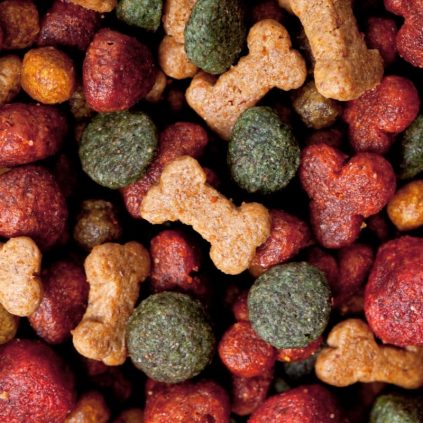
Pet Food Localization: More Complex Than Human Food?
The global pet care market is booming, and brands are expanding faster than ever. Yet many companies discover that pet food localization is surprisingly more
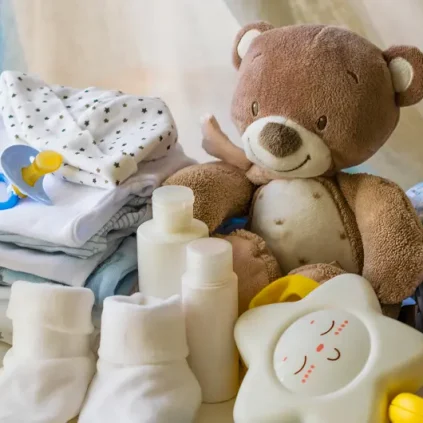
How Tone Impacts Trust in Baby Product Packaging
Parents are extremely careful when choosing products for their babies. From diapers to baby lotion, every purchase is tied to safety, comfort, and trust. That’s why packaging
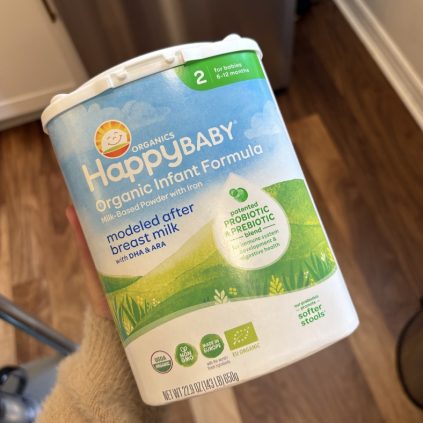
Localization Risks in Baby Formula Labels
Baby formula is one of the most sensitive products in global trade. Parents depend on clear labels to prepare, store, and use formula safely. That’s why Localization Risks in Baby

Localization Risks in Health Supplements Across Asia
Localization Risks in Health Supplements Across Asia are higher than many brands expect. A label that works in the United States, Europe, or Australia may fail
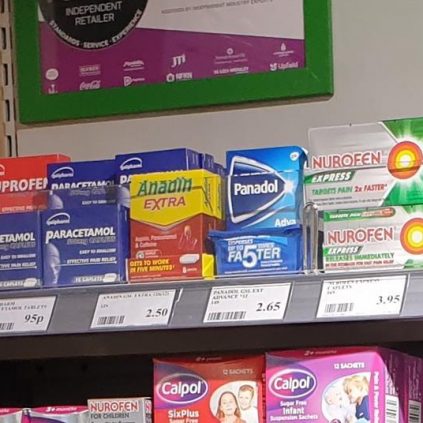
Why Over-The-Counter (OTC) Label Translation Requires Medical-Level QA
Over-the-counter medicines are used by millions of people every day. From pain relievers and allergy tablets to cough syrups and antacids, these products are often
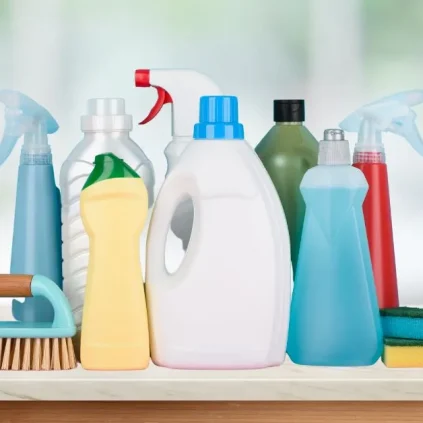
Why Cleaning Product Instructions Fail in Translation
Cleaning products are used every day in homes, schools, hospitals, and workplaces around the world. However, many people do not realize how difficult it is
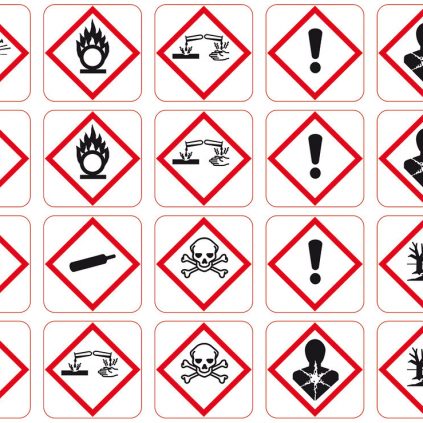
Translating Hazard Labels: A Compliance Guide for FMCG Brands
Fast-moving consumer goods (FMCG) brands operate in highly competitive global markets. From cleaning sprays and detergents to cosmetics and aerosol products, many FMCG items require
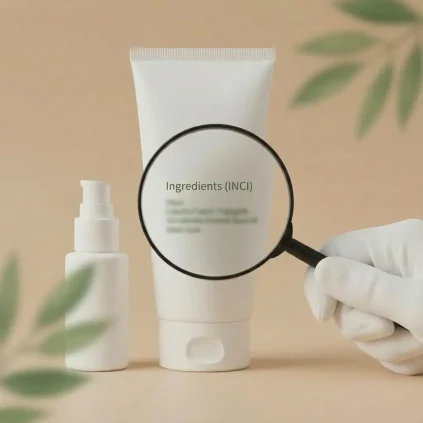
INCI vs Local Ingredient Naming: What Brands Must Know
The beauty and personal care industry is more global than ever. A skincare product made in South Korea may be sold in Europe, the United
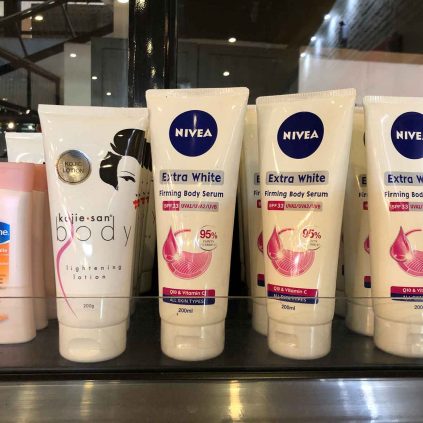
Why “Whitening” Can’t Be Translated Literally in Global Markets
The global beauty industry depends heavily on language. A skincare product launched in one country may later appear in stores across Asia, Europe, the Middle
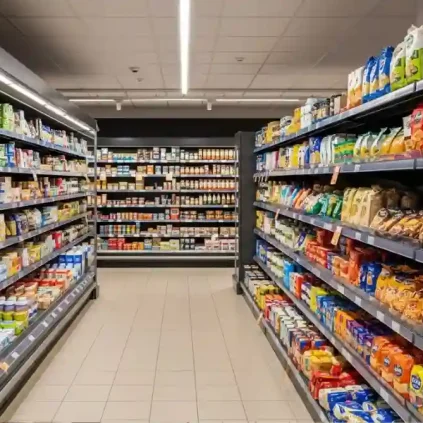
Ingredient Translation Pitfalls in FMCG Food Packaging
As FMCG food brands expand globally, packaging translation has become more important than ever. Consumers rely on ingredient labels to understand allergens, nutritional content, dietary