

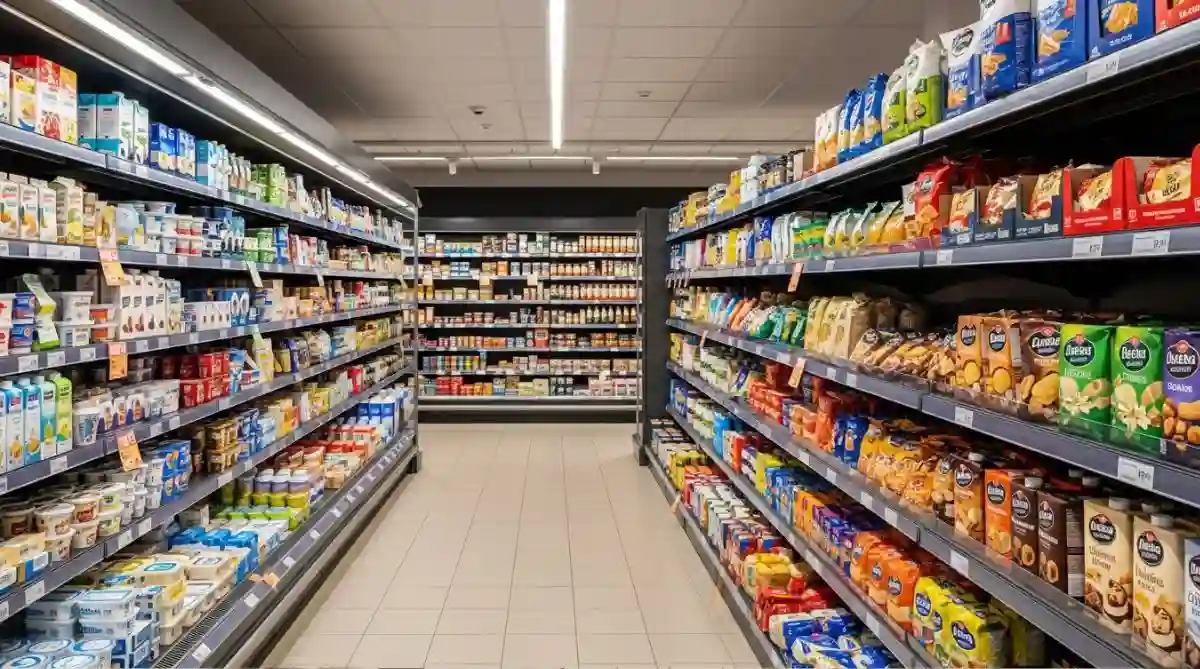
As FMCG food brands expand globally, packaging translation has become more important than ever. Consumers rely on ingredient labels to understand allergens, nutritional content, dietary restrictions, and food safety information. Even a small translation mistake can confuse buyers, violate regulations, or create serious health risks.
Why Accurate Ingredient Translation Matters
Food packaging translation is different from general translation. It requires knowledge of:
- Food science
- Local regulations
- Cultural food preferences
- Allergen labeling
- Nutritional standards
Consumers often check labels carefully before buying products. This is especially true for people with allergies, religious dietary restrictions, or health concerns.
For example, incorrectly translating “contains nuts” or “gluten-free” could put consumers at risk. Governments also enforce strict labeling laws, making accurate translation essential for global FMCG brands.
Organizations like the World Health Organization emphasize the importance of transparent food labeling for public safety.
Common Translation Pitfalls
Many FMCG companies make avoidable translation mistakes when entering international markets.
Literal Word-for-Word Translation
Direct translation often creates confusion because food terminology does not always match across languages.
Examples include:
| Original Term | Incorrect Translation | Problem |
| Creamer | Cream | Misleading dairy content |
| Artificial Flavor | Fake Taste | Negative meaning |
| Preservative | Conservative | Wrong interpretation |
Localization is usually more effective than literal translation.
Allergen Translation Errors
Allergen labeling is one of the biggest challenges in food packaging translation.
Common allergens include:
- Milk
- Soy
- Peanuts
- Gluten
- Shellfish
Different countries may require specific wording or formatting for allergens. A mistranslation can trigger severe allergic reactions and legal liability.
Cultural Misunderstanding
Some food terms carry different meanings across regions.
For example:
- “Biscuits” in the UK differ from “biscuits” in the US.
- “Chips” may mean fries or crisps depending on the country.
Without cultural adaptation, labels may confuse consumers or reduce product appeal.
Regulatory Compliance Issues
Every market has unique food labeling laws.
For example:
- The European Union requires highlighted allergens.
- The United States FDA has strict nutrition label standards.
- Asian countries often require detailed additive disclosures.
Failure to comply may lead to fines, import bans, or product recalls.
The U.S. Food and Drug Administration (FDA) provides official guidance for food labeling requirements in the United States.
Business Risks of Poor Translation
Translation errors can seriously damage FMCG brands.
Consumer Health Risks
Incorrect labels may expose consumers to allergens or ingredients they intended to avoid. This can result in medical emergencies and lawsuits.
Product Recalls
Packaging translation mistakes often lead to expensive recalls. Companies may lose millions through:
- Product destruction
- Shipping losses
- Retail penalties
- Legal costs
Brand Reputation Damage
Consumers quickly share negative experiences online. A single packaging error can spread rapidly through social media and damage long-term brand trust.
Best Practices for FMCG Brands
To avoid costly mistakes, brands should follow strong translation processes.
Use Native Food Industry Translators
Professional translators with FMCG experience understand:
- Ingredient terminology
- Food regulations
- Cultural preferences
- Labeling standards
Native-speaking experts are essential for accurate localization.
Implement Multi-Step Reviews
A reliable packaging workflow should include:
| Review Stage | Purpose |
| Translation | Initial language adaptation |
| Legal Review | Compliance verification |
| Proofreading | Grammar and fluency |
| Packaging Audit | Final accuracy check |
Multiple reviews reduce the chance of critical mistakes.
Combine AI with Human Expertise
AI translation tools can improve efficiency, but human oversight remains necessary. Automated systems may struggle with cultural nuance and specialized food terminology.
Create Consistent Terminology Databases
Global brands should maintain approved ingredient terminology across all markets. This ensures packaging consistency and reduces confusion.
Conclusion
Global FMCG brands must treat packaging translation as a critical business process. Accurate ingredient labels protect consumers, support regulatory compliance, and strengthen brand trust.
Understanding Ingredient Translation Pitfalls in FMCG Food Packaging helps companies avoid costly errors and improve international success. By combining professional localization, legal expertise, and quality control, brands can create packaging that is clear, compliant, and consumer-friendly across every market.
FAQs
What are ingredient translation pitfalls in FMCG food packaging?
These are errors in translating food ingredients, allergens, or nutritional information that may confuse consumers or violate regulations.
Why is allergen translation important?
Incorrect allergen labeling can create severe health risks and legal consequences.
Can AI fully translate food packaging?
No. AI tools help improve efficiency, but human experts must review translations for accuracy and compliance.
What happens if food labels are translated incorrectly?
Companies may face recalls, lawsuits, fines, and reputational damage.
What is localization in food packaging?
Localization adapts translations to local culture, language, and regulations rather than translating word-for-word.