

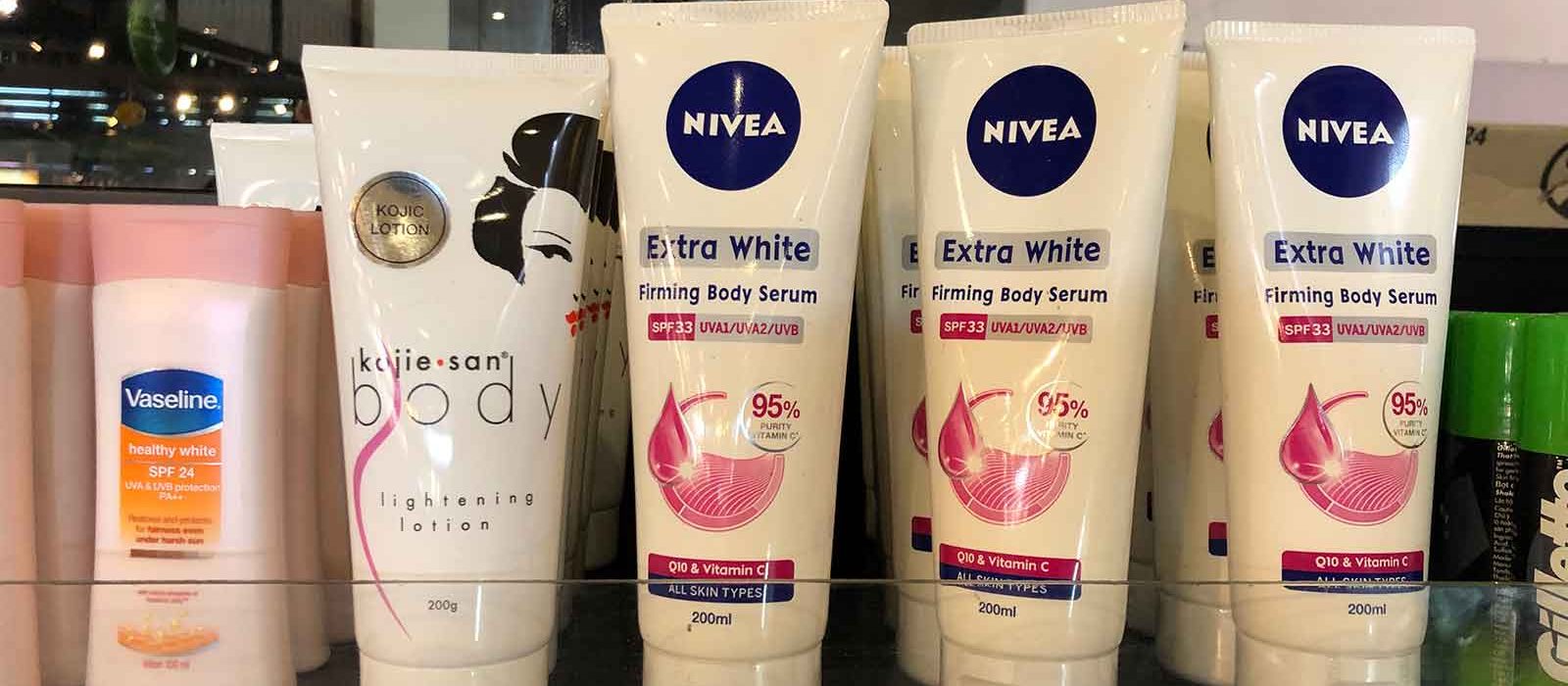
The global beauty industry depends heavily on language. A skincare product launched in one country may later appear in stores across Asia, Europe, the Middle East, and North America. However, direct translation often creates problems, especially with sensitive terms like “whitening.”
In some countries, “whitening” simply refers to brighter or more radiant skin. In others, the word may suggest skin bleaching, racial bias, or unhealthy beauty standards. Because of these cultural differences, many brands now avoid translating the word literally when entering international markets.
The Meaning of “Whitening” Across Cultures
The word “whitening” does not carry the same meaning everywhere. In many Asian countries, it traditionally refers to products that reduce dark spots, improve skin clarity, or create a glowing complexion. Consumers often connect the term with skincare maintenance rather than changing skin color.
In Western countries, however, the same term may create negative reactions. It can be associated with racial issues or harmful skin-lightening practices. As discussions about diversity and inclusivity become more important, brands face greater pressure to avoid controversial language.
Because of these differences, global companies must adapt their messaging instead of using direct translations.
Cultural Sensitivity in Beauty Marketing
Beauty standards vary widely around the world. What sounds attractive in one region may sound offensive in another.
Western Markets
In countries such as the United States, Canada, and the United Kingdom, inclusivity plays a major role in advertising. Consumers prefer language that promotes healthy skin instead of lighter skin.
As a result, many companies now replace “whitening” with terms like:
- Brightening
- Glow-enhancing
- Radiance boosting
- Tone-correcting
These phrases focus on skincare benefits without suggesting skin color changes.
Asian Markets
In countries like South Korea, Japan, China, and the Philippines, bright and clear skin remains a common beauty goal. However, even in these markets, brands are slowly shifting away from the word “whitening.”
Modern marketing campaigns now use softer expressions such as:
- Luminous skin
- Radiance care
- Tone-up cream
- Glow treatment
This change helps companies appeal to both local and international audiences.
African and Middle Eastern Markets
Consumers in African markets are increasingly rejecting products connected to harmful bleaching stereotypes. Meanwhile, Middle Eastern beauty marketing often focuses on luxury, hydration, and radiance instead of skin lightening.
Because consumer expectations differ so much, literal translation becomes risky for international brands.
Legal and Reputation Risks
Another reason why “Whitening” can’t be translated literally is the growing legal and social pressure around advertising language.
Advertising Regulations
Some countries have strict rules about beauty claims. Marketing language that appears discriminatory or misleading may attract regulatory attention.
Social Media Backlash
Today, one poorly translated campaign can spread across social media within hours. Several global beauty companies have faced criticism for promoting “whitening” products without considering cultural sensitivity.
Negative reactions can lead to:
- Brand damage
- Consumer boycotts
- Loss of trust
- Expensive rebranding efforts
To avoid these risks, companies now prioritize localization instead of direct translation.
SEO and Localization Challenges
Search engine optimization (SEO) is another important factor. Consumers in different countries search for skincare products using different words.
For example, many users search for:
- Brightening serum
- Glow cream
- Dark spot corrector
- Radiance moisturizer
instead of “whitening cream.”
If brands only use literal translations, they may fail to reach their target audience online. Localization helps businesses choose keywords that match local search behavior.
This improves:
- Website traffic
- Search rankings
- Consumer engagement
- Conversion rates
For example, a product described as a “radiance serum” may perform better globally than one labeled as a “whitening serum.”
How Global Brands Are Responding
Many international skincare companies have already updated their branding strategies.
Examples include changing product names from:
- “Whitening Cream” to “Brightening Cream”
- “White Perfect” to “Glow Perfect”
- “White Beauty” to “Radiance Beauty”
These changes help brands appear more inclusive while maintaining strong product appeal.
Companies now understand that localization is not only about language—it is also about culture, emotion, and consumer trust.
Best Practices for Global Beauty Translation
Successful international brands follow several important strategies:
Use Native Localization Experts
Native speakers understand cultural nuances better than direct translation software. They can identify words that may sound inappropriate or outdated.
Conduct Market Research
Before launching products globally, companies should test:
- Product names
- Advertising slogans
- Packaging language
- SEO keywords
This helps brands avoid misunderstandings.
Focus on Inclusivity
Modern consumers respond positively to marketing that celebrates diversity. Inclusive language creates stronger emotional connections with audiences worldwide.
Conclusion
The beauty industry shows why language matters in global marketing. A word that sounds normal in one culture may feel offensive or outdated in another. That is why “Whitening” Can’t Be Translated Literally in Global Markets.
Modern brands must think beyond direct translation. They need localization strategies that respect cultural differences, support inclusivity, and match local SEO behavior. By using alternatives like “brightening” and “radiance,” companies can communicate more effectively while building stronger relationships with global consumers.
FAQs
Why is the word “whitening” controversial?
In some regions, it may suggest racial preferences or harmful skin-bleaching practices.
What words are better alternatives to “whitening”?
Brands often use terms like “brightening,” “radiance,” and “glow-enhancing.”
Does localization improve SEO?
Yes. Localized keywords match consumer search behavior more effectively than direct translations.
Why do brands rename whitening products?
To avoid controversy, improve inclusivity, and strengthen global branding.
Can direct translation harm a company’s reputation?
Yes. Poor translation can lead to public backlash and reduced consumer trust.