

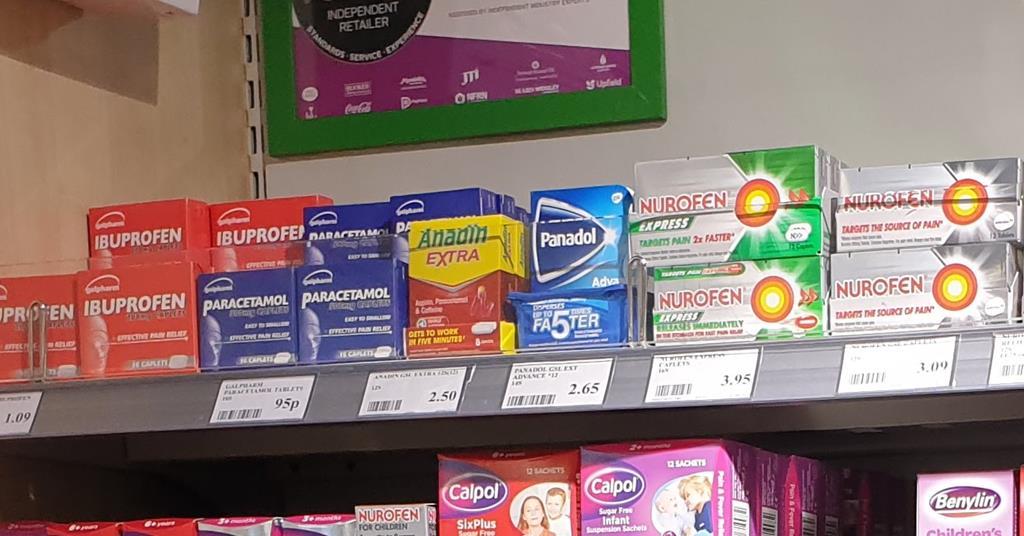
Over-the-counter medicines are used by millions of people every day. From pain relievers and allergy tablets to cough syrups and antacids, these products are often taken without direct medical supervision. Because of this, accurate communication on packaging is extremely important.
Even a small translation mistake can lead to incorrect dosage, allergic reactions, or dangerous misuse. Medical-level quality assurance (QA) helps ensure that translated OTC labels are safe, compliant, and easy for consumers to understand.
Understanding OTC Products
OTC medicines are drugs sold directly to consumers without a prescription. These products must provide clear instructions because users depend entirely on the label for guidance.
Common OTC label information includes:
- Active ingredients
- Dosage instructions
- Warnings
- Side effects
- Storage requirements
- Expiration dates
When companies sell products internationally, labels must be translated accurately into local languages while maintaining the original medical meaning.
The Importance of Accurate Label Translation
Translation errors in OTC labels are not simple spelling mistakes. They can become serious public health risks.
Consumer Safety Risks
Consumers often assume medicine labels are fully reliable. If a translated warning is unclear or incorrect, patients may unknowingly misuse the product.
For example:
- A mistranslated allergy warning may trigger severe reactions.
- Incorrect age recommendations can put children at risk.
- Confusing instructions may lead to overdosing.
In healthcare communication, precision saves lives.
Medication Misuse and Dosage Errors
Dosage instructions must remain exact in every language. Words like “once daily” and “twice daily” cannot be loosely translated.
A single numerical or grammatical error can:
- Double the intended dose
- Shorten required treatment periods
- Cause harmful drug interactions
Because OTC medicines are self-administered, there is little room for misunderstanding.
What Is Medical-Level QA?
Medical-level QA is a specialized review process used to verify the accuracy, safety, and regulatory compliance of healthcare translations.
This process goes beyond ordinary proofreading.
Linguistic Validation
Medical linguists review:
- Terminology accuracy
- Grammar and readability
- Cultural appropriateness
- Consistency with approved medical language
The goal is to ensure consumers clearly understand the instructions without confusion.
Regulatory Compliance Checks
Different countries have different healthcare regulations. QA teams ensure labels meet local legal standards.
Examples include:
- Font size requirements
- Mandatory warning statements
- Ingredient naming conventions
- Approved medical terminology
Organizations like the U.S. Food and Drug Administration enforce strict labeling standards for OTC products.
For more information, visit FDA OTC Labeling Guidelines
Key Challenges in OTC Label Translation
Medical Terminology Complexity
Medical vocabulary is highly technical. Some terms do not have direct equivalents in other languages.
For example:
- “Drowsiness”
- “Do not exceed recommended dosage”
- “Active ingredient”
These phrases require precise localization to preserve their medical meaning.
Cultural and Language Nuances
Healthcare communication varies across cultures. A phrase that sounds clear in English may confuse readers elsewhere.
Professional translators must adapt:
- Units of measurement
- Reading habits
- Cultural sensitivity
- Health literacy levels
This process is called localization.
Space Limitations on Packaging
Medicine packaging has limited space. Translators must communicate complete medical instructions clearly while fitting strict design constraints.
This balancing act increases the need for expert QA review.
Regulatory Standards for OTC Labels
FDA and Global Compliance Requirements
Countries often require:
- Approved terminology
- Standardized warning language
- Local-language packaging
- Readability testing
Failure to comply may result in:
- Product recalls
- Financial penalties
- Import restrictions
- Legal liability
Localization Standards in Different Countries
A label approved in one country may not meet another country’s requirements. Medical-level QA ensures translations align with regional healthcare regulations and consumer expectations.
The Role of Professional Medical Translators
Professional medical translators combine language expertise with healthcare knowledge. They understand:
- Pharmacology terminology
- Patient safety standards
- Regulatory frameworks
- Medical abbreviations
Unlike general translators, they know how critical accuracy is in healthcare communication.
Many companies also use:
- Back translation
- Independent reviewer checks
- Terminology databases
- Automated QA tools
These methods reduce the risk of harmful errors.
How QA Protects Brands and Consumers
Preventing Recalls and Legal Issues
Translation mistakes can damage both public safety and company reputation. Incorrect labels may trigger:
- Lawsuits
- Government investigations
- Product recalls
- Consumer distrust
Medical-level QA acts as a safeguard before products reach the market.
Building Consumer Trust
Consumers trust healthcare brands that provide clear and reliable information. Accurate translations show professionalism and commitment to patient safety.
In competitive global markets, trust is essential.
Best Practices for OTC Label Translation QA
Companies should follow these best practices:
- Use certified medical translators
- Apply multi-step QA reviews
- Maintain approved terminology glossaries
- Conduct regulatory compliance checks
- Perform readability testing for consumers
- Update translations regularly with regulation changes
Combining human expertise with technology creates safer and more effective healthcare communication.
Conclusion
Understanding Why Over-The-Counter (OTC) Label Translation Requires Medical-Level QA is essential for healthcare companies operating in global markets. OTC medicines directly affect consumer health, and even minor translation errors can create serious safety risks.
Medical-level QA ensures translated labels remain accurate, compliant, culturally appropriate, and easy to understand. By investing in professional translation and rigorous quality assurance, companies protect consumers, avoid legal problems, and strengthen brand trust.
FAQs
Why is OTC label translation considered high risk?
Because consumers rely entirely on the label for safe medication use, any translation error can lead to misuse or health complications.
What does medical-level QA include?
It includes linguistic review, medical terminology validation, regulatory compliance checks, and final proofreading.
Can machine translation alone handle OTC labels?
No. Machine translation may assist workflows, but human medical experts must review all healthcare-related content.
Why are regulatory checks important in label translation?
Different countries require specific warning statements and approved terminology. Noncompliance can result in fines or recalls.
Who should translate OTC medical labels?
Qualified medical translators with healthcare and regulatory expertise should handle OTC label translations.