

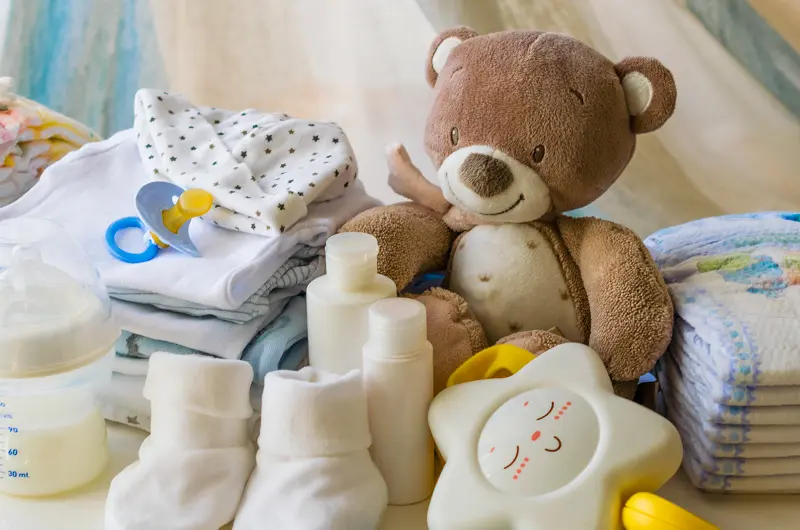
Parents are extremely careful when choosing products for their babies. From diapers to baby lotion, every purchase is tied to safety, comfort, and trust. That’s why packaging plays such an important role in the baby product industry. The words, colors, and messaging used on packaging can strongly influence whether parents feel confident buying a product.
Understanding How Tone Impacts Trust in Baby Product Packaging is especially important for brands selling products internationally. A caring and reassuring tone in one language may lose its meaning—or even sound confusing—when translated poorly. This makes translation and localization essential for maintaining trust across global markets.
Why Tone Matters in Baby Product Packaging
Tone refers to the emotional style of communication used on packaging. In baby products, tone must feel safe, warm, and trustworthy because parents are emotionally invested in their purchasing decisions.
For example:
- “Gentle care for delicate skin” sounds comforting.
- “Clinically tested for infant safety” sounds professional.
The most effective packaging combines emotional warmth with scientific credibility.
Parents often judge product safety based on the language used. Packaging that sounds too aggressive, confusing, or overly technical can create doubt. Simple and reassuring wording usually works best.
Emotional Connection Builds Trust
Baby product marketing is highly emotional. Parents want to feel that brands understand their concerns and genuinely care about children’s well-being.
Words such as:
- Safe
- Gentle
- Pure
- Trusted
- Natural
help create positive emotional responses.
However, brands should avoid exaggerated claims like:
- “Perfect protection guaranteed”
- “100% safest baby product ever”
These statements may sound unrealistic and reduce credibility.
The Role of Translation in Consumer Confidence
Translation is much more than converting words from one language into another. It also involves preserving tone, emotion, and cultural meaning.
A poorly translated package can make a trusted brand appear careless or unprofessional. Parents may quickly lose confidence if instructions or product descriptions sound awkward.
For example:
- “For newborn happy skin usage” sounds unnatural.
- “Gentle and safe for newborn skin” sounds trustworthy.
This difference shows why professional translation is essential.
Localization vs. Literal Translation
Literal translation often fails because it ignores cultural expectations. Localization adapts language and tone to fit local consumers.
For instance:
- American packaging may use friendly and direct language.
- Japanese packaging often uses softer and more respectful wording.
- European consumers may prefer factual and transparent messaging.
Successful localization helps brands maintain trust while entering new markets.
Companies often work with professional localization providers such as Veqta to ensure messaging remains culturally appropriate.
How Different Markets Respond to Packaging Tone
Consumer expectations vary around the world. A tone that works well in one country may not perform the same way elsewhere.
Western Markets
Consumers in the United States and Canada often prefer:
- Honest messaging
- Friendly language
- Transparency
- Simplicity
Asian Markets
Many Asian consumers value:
- Respectful communication
- Detailed product information
- Professional tone
- Safety assurance
European Markets
European buyers frequently expect:
- Clear ingredient information
- Sustainability messaging
- Minimal exaggeration
- Regulatory transparency
Understanding these preferences helps brands communicate effectively across cultures.
Elements That Create Trustworthy Packaging
Tone works alongside visual design to influence consumer trust.
Clear Typography
Easy-to-read fonts improve credibility and make information more accessible to busy parents.
Soft Colors
Pastel shades, white, and light blue are commonly associated with cleanliness, safety, and gentleness.
Transparent Information
Parents appreciate clear ingredient lists, safety certifications, and usage instructions. Honest communication builds long-term loyalty.
Common Packaging Mistakes
Brands can damage trust when packaging communication is unclear or inconsistent.
Poor Translation
Machine-generated translations without human review often sound robotic and confusing.
Inconsistent Tone
If a brand sounds warm in English but cold in another language, consumers may feel disconnected.
Overcomplicated Language
Using too much technical jargon can overwhelm parents instead of reassuring them.
Simple and human-centered communication usually performs better.
Best Practices for Global Baby Brands
To build trust internationally, brands should:
- Work with native translators
- Test packaging with local audiences
- Maintain consistent brand voice
- Focus on emotional clarity
- Adapt messaging culturally
Localization should preserve both meaning and emotional impact.
Conclusion
Understanding How Tone Impacts Trust in Baby Product Packaging is crucial for brands that want to connect with parents and succeed internationally. Packaging is not just about appearance—it’s about emotional communication.
Parents look for products that feel safe, caring, and honest. Tone helps create these feelings, while professional translation ensures that trust remains strong across different languages and cultures.
Brands that invest in thoughtful messaging and culturally sensitive localization are more likely to build lasting consumer confidence and global success.
FAQs
Why is tone important in baby product packaging?
Tone helps parents feel safe, reassured, and emotionally connected to a brand.
How does translation affect trust?
Poor translation can make packaging appear unreliable, while good localization improves credibility.
What tone works best for baby products?
A combination of warmth, simplicity, and professional reassurance works best.
What is localization?
Localization adapts packaging language and tone to fit cultural expectations rather than translating word-for-word.
Can packaging influence buying decisions?
Yes. Parents often judge product quality and safety based on packaging communication.