


K-Corporate Tone: Why Korean Workplace Language Sounds Too Soft or Too Harsh in English
If you’ve ever worked with Korean colleagues, attended a meeting with a Korean tech firm, or read an email from a Korean business partner, you may have

Transcreation in Japanese Gaming: How Narrative Emotion Survives the Jump from Kanji to English Dialogue
Ever noticed how characters in Japanese games can make you feel something before you fully understand what they’re saying? That’s not an accident. Japanese game writing thrives on emotional
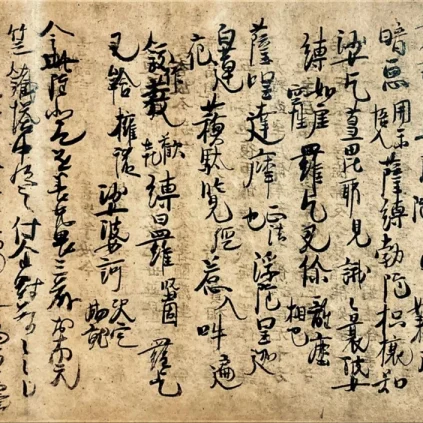
Government White Papers in Translation: How Japanese Bureaucratic Structures Strain English Document Logic
If you’ve ever tried reading a Japanese government white paper in English and wondered why it feels like wading through molasses, you’re not alone. These documents aren’t just dense—they’re structurally alien. Japanese

The Manga Panel Problem: How Visual Layout Shapes English Dialogue Choices
Have you ever wondered why English versions of manga sometimes feel wordier, more abrupt, or strangely paced? It’s not because translators don’t understand Japanese—it’s because the medium itself refuses to
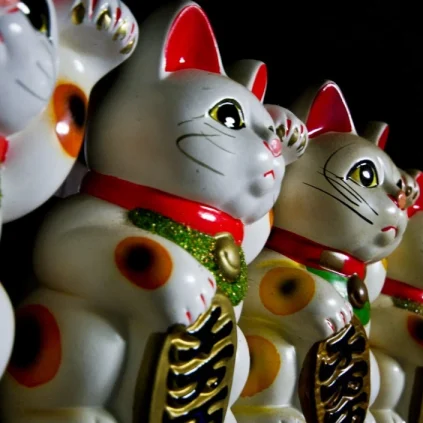
From Shinto Shrines to Shonen Tropes: Localizing Cultural Symbolism for Global Audiences
You don’t have to be a hardcore anime fan to notice something enchanting—and confusing—about Japanese media. Whether it’s the quiet reverence of a Shinto shrine, the heroic resolve of

Honorific Overload: Why Japanese Social Hierarchies Break English Sentence Logic
If you’ve ever watched anime, played a Japanese RPG, or read manga in English, you’ve probably noticed something odd: English dialogue often feels flatter, less nuanced, or even awkward compared

Transcreation as Cultural Diplomacy: How Thai Tourism Slogans Gain Emotional Impact in English Markets
If you’ve ever wondered why Thailand’s tourism slogans resonate long after the ads fade, the secret lies in more than clever wording. Thailand doesn’t just translate its tourism messages—it transcreates them.
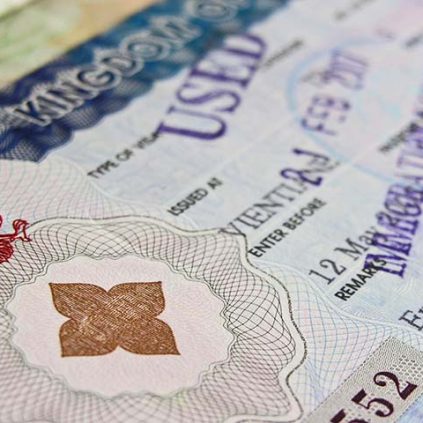
Thai-to-English Document Translation Challenges in Immigration, Visa, and Civil Registry Records
If you’ve ever dealt with Thai legal paperwork—whether for visas, work permits, marriage certificates, or immigration forms—you already know one truth: translating Thai documents into English is

Localizing Thai Food Culture: Why Words Like Nam Prik, Khanom, and Sabai Sabai Resist English Labels
Try explaining Thai food to someone who has never encountered it. Words like nam prik, khanom, or the expression sabai sabai may sound simple, but they carry deep cultural meanings that English can’t easily replicate.
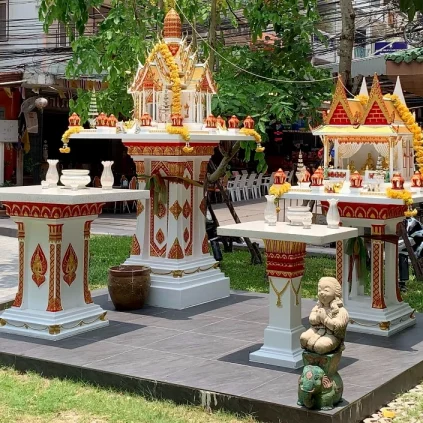
Spirit Houses and Soft Power: Translating Thai Spiritual Concepts for English-Speaking Audiences
If you’ve ever walked through Thailand—past homes, office complexes, or shopping malls—you’ve likely noticed miniature shrines sitting on pedestals, decorated with incense, flowers, and offerings. To Thai people, these aren’t ornaments—they’re spirit