

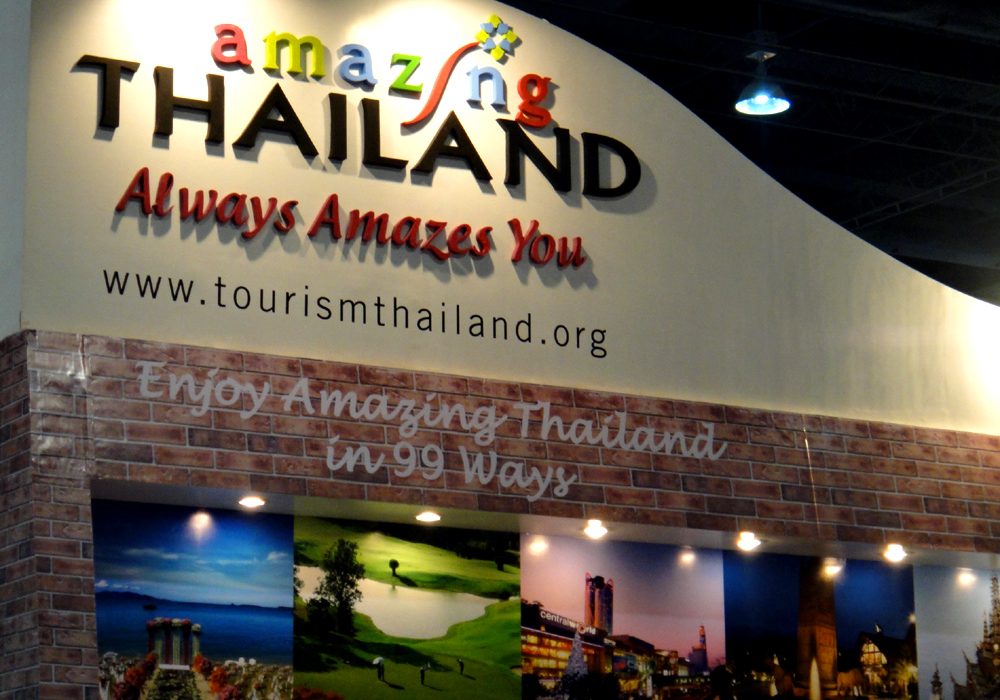
If you’ve ever wondered why Thailand’s tourism slogans resonate long after the ads fade, the secret lies in more than clever wording. Thailand doesn’t just translate its tourism messages—it transcreates them. In other words, Thailand adapts its slogans to evoke the same emotional response in English-speaking audiences that Thai locals feel. That’s not translation—it’s cultural diplomacy. Instead of transferring words, Thailand transfers feelings, values, and identity. This emotional engineering positions the country not just as a destination, but as an experience.
In Thai to English translation and localization, tourism language carries cultural dimensions steeped in hospitality, spirituality, and joy. But English doesn’t always have the emotional bandwidth to capture ideas like sanuk (fun), jai yen (cool-hearted calm), or thainess—a uniquely Thai blend of warmth, harmony, and lifestyle. This is why transcreation steps in—not to mirror words, but to mirror meaning. This article explores how Thailand uses linguistic artistry to strengthen global tourism appeal, turning slogans into soft power tools that transform visitors into cultural ambassadors.
What Makes Transcreation Different from Translation?
From Words to Emotional Equivalence
Translation prioritizes accuracy, while transcreation prioritizes impact. The goal isn’t literal correctness—it’s emotional resonance. Thai tourism slogans need English audiences to feel Thailand, not just understand it.
The Role of Cultural Values
Thai slogans often carry layers tied to Buddhism, harmony, and hospitality. English equivalents must convey these feelings without direct equivalents, requiring creative adaptation rather than substitution.
The Evolution of Thai Tourism Messaging
From “Amazing Thailand” to Global Icons
“Amazing Thailand,” launched in 1998, was a masterclass in simplicity and emotional clarity. Instead of translating Thai cultural essence, it reframed identity in a single word that English speakers instantly understood.
Messaging Reinvention Across Decades
Campaigns like “Discover Thainess” and “Open to the New Shades” extended emotional narratives. They didn’t translate Thai values—they introduced them through metaphor and imagery.
Why English Markets Demand Transcreation
Cultural Nuances That Don’t Travel Well
Words like sabai sabai can’t be directly translated. English lacks the emotional depth to capture cultural ease, so campaigns create parallel concepts instead.
Cognitive Framing Differences
Thai audiences value subtlety and indirect persuasion. English audiences prefer active messaging. Transcreation bridges personality differences in communication styles.
Case Studies of Successful Transcreation
Amazing Thailand—A Perfect Fit
The phrase translated neither language nor culture—it created a new entry point. Western audiences felt wonder without needing an explanation.
Open to the New Shades
Rather than explaining Thai diversity, this slogan used metaphorical imagery to invite exploration. It reflected cultural vibrancy without literal detail.
Challenges in Transcreating Thai Concepts
The Limits of Literal Translation
Terms like sanuk, jai dee (kind-hearted), or yen sabai (calm comfort) carry emotional textures English lacks. Literal translation removes depth and turns poetry into prose.
Preserving Brand Ethos
Tourism slogans aren’t ads—they’re national signatures. Translators must guard tone and identity, ensuring English versions evoke brand essence, not mere comprehension.
Tourism Slogans as Tools of Soft Power
Emotional Storytelling Influences Perception
Tourists don’t just visit Thailand—they aspire to experience its emotional world. Transcreated slogans transform curiosity into longing.
Turning Visitors into Cultural Advocates
Once emotional connection occurs, travelers become storytellers, spreading cultural narratives globally. That’s soft power at work.
Best Practices for Tourism Transcreation
Focus on Feeling, Not Words
Ask: what emotion should the slogan evoke? The English version must deliver that feeling, even if no words match literally.
Test With Target Audiences
Effective slogans survive cultural friction. If audiences don’t feel the intended emotion, the slogan fails.
Conclusion
Thai tourism slogans succeed globally because they’re not translations—they’re invitations. Instead of moving words between languages, transcreation moves emotions across cultures. This strategy transforms linguistic barriers into bridges, letting English-speaking audiences experience Thailand through imagery, tone, and heartfelt concept rather than literal phrasing. Whether it’s “Amazing Thailand” or “Discover Thainess,” each slogan blends cultural values with global accessibility, allowing Thailand to compete not merely as a travel option, but as a meaningful experience.
For tourism boards, marketers, and translators, the lesson is clear: don’t ask what words mean—ask how they feel. Transcreation respects identity while embracing cultural difference. If you want English audiences to understand Thailand, don’t translate Thailand. Invite them into it.
FAQs
- What is transcreation?
A creative process that adapts messaging to evoke the same emotional impact across languages. - Why do Thai slogans need transcreation?
Thai emotional concepts lack direct English equivalents, making literal translation ineffective. - Is transcreation more expensive than translation?
Usually, but the emotional return on investment is significantly higher. - What makes “Amazing Thailand” effective?
It captures wonder, emotional appeal, and cultural curiosity in two simple words. - Can any brand use transcreation?
Yes. Any brand seeking global resonancebenefits from emotional rather than literal messaging.