

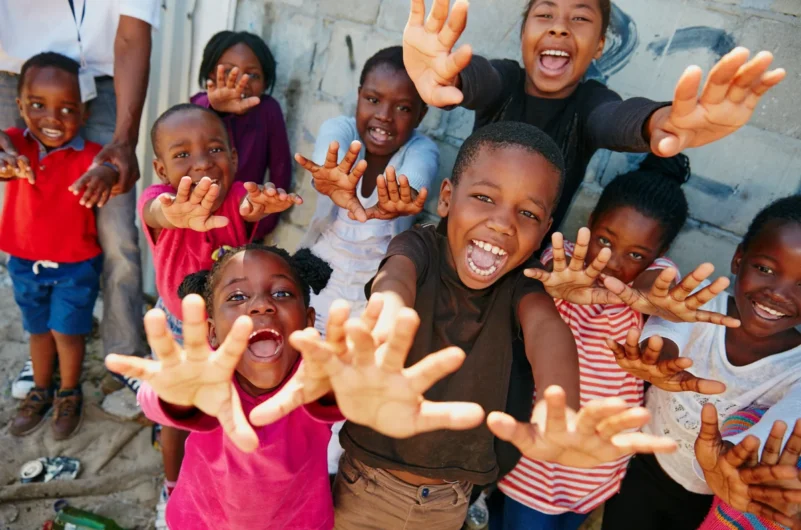
Translation for Social Impact: Engaging Diverse Communities
Translation for Social Impact: Engaging Diverse Communities requires more than converting words between languages; it’s about ensuring critical information is understood, trusted, and acted on. When social programs operate across cultures and languages, translation quality directly shapes outcomes in health, protection, and community participation. NGOs that plan multilingual communication from the outset tend to avoid last-minute compromises, superficial adaptations, and gaps that leave whole groups uninformed or reliant on informal interpreters.
Why translation quality shapes social outcomes
Effective multilingual communication can determine whether a social program is actually usable by the people it targets. Poorly translated materials risk confusion around eligibility, consent, or complaint mechanisms, which can quietly suppress participation. In public health, inaccurate phrasing around symptoms, dosage, or side effects can lead to real harm. By contrast, carefully reviewed NGO Translation, supported by nonprofit language services and community input, builds credibility and makes it more likely that people will follow guidance and share it within their own networks.
Key concepts in translation for social impact
High-impact translation work usually combines several approaches rather than relying on literal wording alone. Direct translation is useful for legal or procedural language that must stay close to the source, while transcreation helps adapt slogans, calls to action, and radio spots so they sound natural locally. Plain-language rewriting strips away jargon, making complex topics like case management or complaints mechanisms understandable across literacy levels. Teams also need to consider dialect variation, code-switching, and preferred channels such as WhatsApp voice notes, community radio, or church announcements, not just PDFs.
Effective translation for social programs respects how communities actually communicate, not how project teams document their work.
Professional translation alone rarely captures the full nuance of local realities, especially in humanitarian or advocacy settings. A practical workflow starts with a professional linguist, then adds review by field staff or trained volunteers who understand community norms and sensitivities. For sensitive topics like GBV, child protection, or legal counseling, a back-translation or targeted spot check can catch small shifts in meaning that would undermine trust. This layered process takes more time and budget, but it reduces downstream costs from reprinting materials or correcting misunderstandings.
Working effectively with translators and community reviewers
Social impact teams working with multilingual support for NGOs often underestimate the coordination required for good outcomes. Clear briefs, approved glossaries, and examples of tone help translators deliver content that matches program intent. Community reviewers need guidance as well: are they checking for offensive phrasing, practical clarity, or strict fidelity to the source? Setting realistic timelines that account for field schedules, holidays, and security constraints is essential, especially when collecting feedback from refugee leaders or local civil society partners.
One recurring challenge is reconciling organisational terminology with phrases people actually use. Internal jargon around “accountability mechanisms” or “case conferencing” can sound abstract or intimidating when translated literally. Community-centered language access focuses on explaining concepts in language people use in markets and households, even if that means longer phrases. Where possible, teams should test key messages in small discussion groups, asking participants to restate meaning in their own words before approving final versions.
Choosing which languages to prioritise is part demographics and part behavioural data. Registration forms, hotline logs, and case notes often reveal patterns that census data alone misses, particularly for displaced or undocumented populations. Translation services for charities should factor in oral and low-literacy formats such as audio briefings, illustrated leaflets, or short subtitled videos. For regional operations, it’s often useful to combine a lingua franca, like Swahili or Arabic, with targeted materials for smaller language groups that are overrepresented among high-risk cases.
Teams should also consider how donor-facing translation support differs from community materials. Reports to institutional funders may tolerate more technical language and acronyms, while hotline scripts or complaint posters must be concise and concrete. Specialized nonprofit translation vendors can manage both, but program staff must clarify which audience each piece serves to avoid merging advocacy language with operational guidance. Where resources are limited, charity-focused translation solutions might prioritize safeguarding, consent, and feedback channels first, then gradually expand to less critical content.
Common pitfalls and how to avoid them
Frequent pitfalls include leaving outreach messages in only one language while translating policies, assuming younger family members will interpret for elders, and overusing machine translation for nuanced topics. Multilingual outreach for nonprofits works better when budgets include ongoing updates, not just one-off launches, because terminology and program details shift over time. Teams should maintain a shared glossary, refine it each project cycle, and make it accessible to partners to avoid inconsistent phrasing across agencies operating in the same area.
Another risk is thinking of translation as a purely technical add-on rather than part of program design. Inclusive communication for NGOs means involving field teams when drafting slogans, SMS scripts, and consent language, then planning enough lead time for review in each key language. For advocacy work, localized advocacy campaign content must reflect real political and cultural constraints, especially around sensitive issues like land rights or gender norms. Translation for global charity programs also has to account for legal review, especially when adapting rights-based messaging across jurisdictions.
When selecting a provider, ask about their experience with community-centered workflows, not just their general portfolio. Some agencies specialising in NGO Translation can coordinate parallel review cycles, align messaging across countries, and support iterative testing of materials during pilots. Others focus more on volume than nuance, which may be fine for back-office documents but risky for safeguarding or legal guidance. A modest upfront investment in right-sized nonprofit language services usually pays off in smoother implementation, fewer complaints, and stronger community relationships.
If you’re planning or revising a multilingual program, start by mapping audiences, communication channels, and the handful of messages that genuinely affect safety, consent, and access. Then speak with a specialist in translation services for charities about options for community review, format adaptation, and realistic timelines. Use that discussion to clarify what must be perfect, what can be improved over time, and where automation is acceptable. A clear plan will help you build practical, community-centered language access that supports your social goals instead of quietly undermining them.