

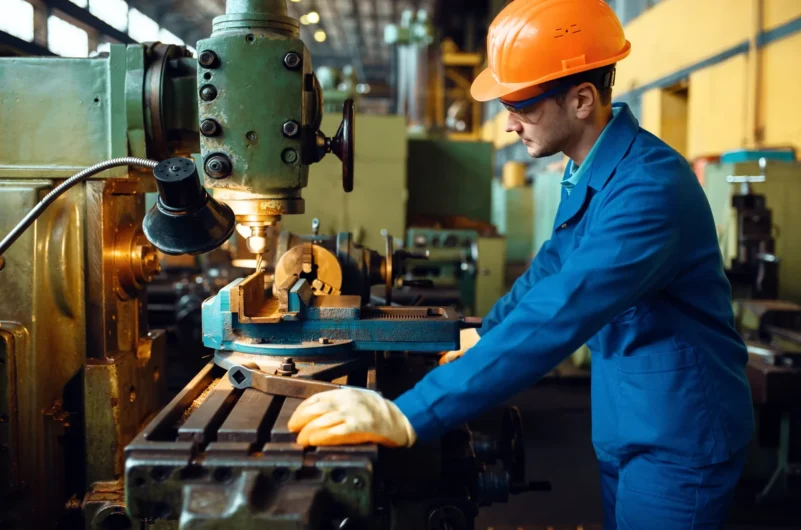
Translating production documents isn’t just a language task; it’s a safety, quality, and compliance decision. When work instructions, SOPs, or batch records are translated poorly, plants across North America and Southeast Asia face downtime, scrap, and avoidable deviations. Manufacturing Translation gives operators clear, aligned instructions in every language they use on the floor, reducing the risk of misunderstandings during changeovers, maintenance, and audits.
When operators in different countries read the same procedure and act in the same way, that’s when translated documentation is truly doing its job.
Translating the right production documents first
Most manufacturers don’t need everything translated at once; they need a clear priority order. Start with work instructions, job aids, and maintenance procedures that directly affect safety and product quality, then move to quality records, deviation reports, and CAPA documentation. Technical document translation for engineering specs, PLC screenshots, and control panel labels should follow close behind, especially when plants share tooling or recipes across regions. Regulatory submissions, labeling copy, and packaging text sit in a separate track with tighter review cycles, as a single mistranslated line can delay approvals or trigger recalls.
How standards-based workflows reduce risk
Trust comes from knowing your provider follows structured, verifiable processes. ISO 17100 and ISO 9001 frameworks ensure translators are qualified, terminology is managed, and every file is reviewed by a second linguist before release. For technical manufacturing translation services, teams pair native-language linguists with engineers or SMEs who understand tolerances, torque values, and cleanroom classifications. Industrial technical documentation translation also relies on translation memory tools to keep SOP families, batch records, and logbook entries consistent over time, rather than rephrased on each update.
A credible partner will show you how they handle controlled documents, including version control and redlines. Expect clear workflows for draft, SME review, linguistic QA, and final signoff within your DMS, PLM, or MES. When localized training for manufacturing workforce materials are updated, you should see transparent change histories, including who approved the wording and when it’s safe to release to the floor.
For plants operating in both English and Thai, Vietnamese, or Bahasa Indonesia, multilingual manufacturing support must respect how operators actually consume information: laminated job aids at the line, screen-limited HMI prompts, or PDF packs for maintenance teams. Providers offering specialized translation for production teams will ask to see screenshots, layout constraints, and real training slides instead of working from text-only exports. That attention to context is what prevents truncated warnings, unclear lockout steps, or misaligned torque sequences across languages.
Building confidence in a long-term language partner
When you evaluate industry-specific language services, don’t just compare per-word rates; examine how the team will protect your operators and your audit trail. Ask how industry-specific terminology translation glossaries are maintained, who approves them, and how plant-level feedback is fed back into the system. A serious provider can explain their approach to translation for engineering documentation, including how they treat CAD callouts, BoMs, and firmware notes. They’ll also be honest about limitations, such as realistic turnaround times for urgent engineering change orders or the need for your SMEs to review highly specialized content.
From uncertainty to a practical next step
Bringing in global manufacturing communication services doesn’t mean handing over control; it means gaining a repeatable, auditable process you can trust. A sound approach will give you multilingual support for factory operations without slowing production, backed by clear SLAs, QA checklists, and plant-facing points of contact. If you’re seeing recurring deviations linked to language gaps or inconsistent operator training, it’s time to map one product family, define measurable targets, and pilot a controlled translation rollout with a specialist who understands manufacturing risk.
Speak with our team to review your current documentation set, discuss risk hotspots, and outline a practical plan for industry-grade Manufacturing Translation that supports every site you run.