

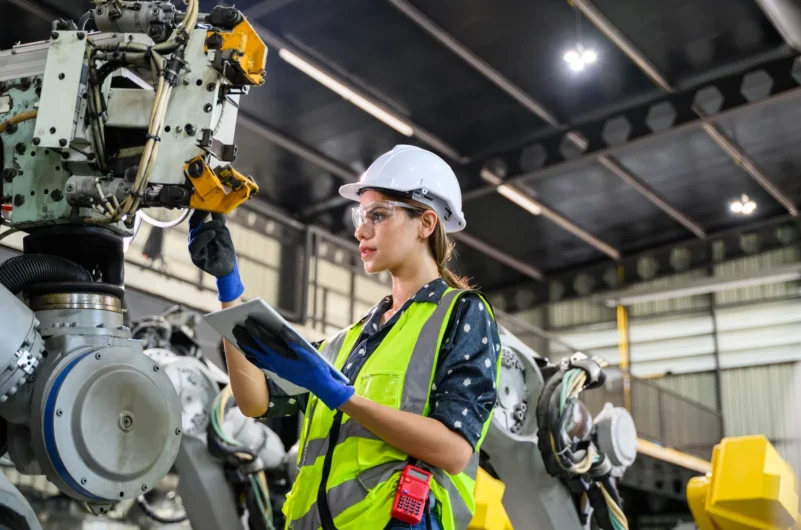
High-stakes technical content lives or dies on accuracy. For US-based manufacturers shipping into Europe or Asia, the primary keyword, quality assurance in translation services, is quickly becoming a compliance issue rather than a procurement preference. When instructions for use, work instructions, or service manuals miss the mark, the fallout shows up as plant downtime, audit findings, and strained relationships with local teams.
1. Fewer critical errors in technical content
In medical devices, automotive, and heavy equipment, a single mistranslated torque value or safety warning is enough to trigger a recall. Structured QA aligned with ISO 17100 and ISO 9001 ensures qualified linguists, second-pass review, and documented sign-off for every language pair. It’s the difference between relying on “native speaker” promises and running a controlled technical document translation workflow that stands up in an audit.
2. Consistency across product lines and markets
When multiple vendors and in‑country reviewers work in parallel, terminology drift is almost guaranteed. One plant sees “jig,” another “fixture,” and your MES screenshots don’t match either. QA-driven terminology management keeps glossaries, translation memories, and localized documentation for global plants aligned so line operators, service engineers, and quality teams all read the same thing, even if they’re in different time zones.
3. Lower total cost of localization
Poor QA looks cheap until you add the cost of reprints, re-layouts, and late-stage engineering change orders. Catching numeric and unit discrepancies, broken tags, and layout issues before country review cuts weeks off approval cycles. Vendors who track quality metrics, apply sampling plans, and specialise in technical translation for manufacturers almost always show fewer retranslation requests on repeat product updates.
4. Stronger compliance and audit readiness
Regulators from the FDA to EU notified bodies rarely ask how fast your content was turned around; they ask who did it and how it was checked. A documented QA trail supports regulated industry translation support with role assignments, issue logs, and CAPA links for every IFU, SDS, and maintenance manual. When an auditor questions a line in Polish or Thai, you can point to the exact review step, not guess.
5. Better collaboration with in‑country teams
Local product managers and plant engineers are often the bottleneck in Manufacturing Translation projects because they’re reviewing content on top of their real jobs. When upstream QA is weak, they end up rewriting sections, arguing over glossary choices, and requesting rework. With clear criteria, industry-specific language services, and engineering-focused translation solutions, their time is spent on market nuance and regulatory fit, not cleaning up basic language errors.
- multilingual manufacturing support that aligns with existing quality systems
- specialized industrial translation services for complex equipment and processes
- manufacturing-specific language solutions embedded into release workflows
- multilingual support for production teams during commissioning and ramp-up
- accurate translation for technical teams handling deviations, NCRs, and CAPAs
If your internal teams are firefighting terminology disputes, chasing reviewers, or worried about language-related nonconformances, it’s probably time to tighten QA with a partner that understands shop-floor reality. Talk to a specialist in specialized industrial translation services who can map QA checkpoints to your product lifecycle, then request a consultation to benchmark your current process and get a practical plan for stabilising quality before the next major release.