

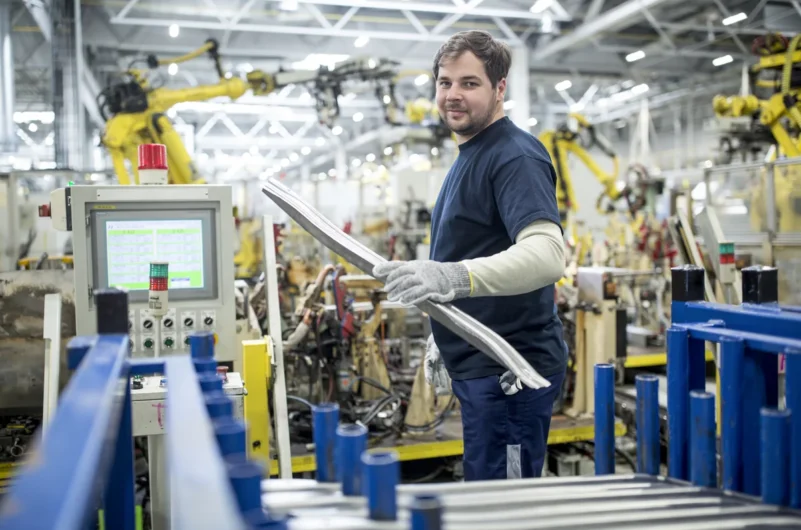
Global manufacturers are discovering that translation is now a production risk, not just a documentation task. As 2026 approaches, complex supply chains, fast engineering change cycles, and tighter safety rules mean even small language errors can stall approvals or trigger plant-floor confusion. The focus has shifted from ad hoc vendors to structured Manufacturing Translation programs that treat language as part of quality control.
The Evolution of Manufacturing Translation in 2026
Human-only teams still anchor high-risk content such as validation protocols, IQ/OQ/PQ reports, and detailed failure investigations. Their value shows when a single mistranslated torque value or welding parameter could undermine regulatory submissions or field service bulletins. At the same time, manufacturers are expanding technical document translation through hybrid models that tie linguists directly into PLM and QMS, so updates track engineering change orders instead of lagging behind them by months.
How Hybrid and Embedded Models Really Work
The dominant model now combines specialist translators with translation memory, terminology databases, and engines trained on plant-specific corpora. This suits SOPs, batch records, and MES interfaces where consistency beats literary nuance. Embedded workflows push this further by integrating multilingual manufacturing support into PLM, ERP, and CAPA tools, so content is authored and reviewed in context. Done well, localized technical documentation workflows reduce rework and cut cycle time, but they require solid governance on who can change which terms and when.
Evaluating Tools and Providers for Production Reality
Domain-adapted neural engines in 2026 can handle most routine work instructions and line-clearance checklists, yet they still struggle with vague source text and legacy jargon. That’s why many plants use machine output as a drafting layer, then route high-liability content through industrial technical language experts. When assessing solutions, operations leaders weigh how engineering-grade translation solutions connect with CAD, P&IDs, and deviation reports, and how well providers respect IP boundaries while still giving linguists enough context to avoid dangerous guesswork.
- Use industry-specific language services for regulatory dossiers, IFUs, and safety-related labeling.
- Rely on specialized technical translation services plus MT for high-volume SOPs and maintenance guides.
- Adopt multilingual support for factories via embedded tools in MES and digital work instruction platforms.
- Apply industry-specific translation for engineers when cross-functional teams collaborate across plants and regions.
- Reserve precision translation for production teams for root-cause analysis, nonconformance reports, and field corrective actions.
Warning signs that your setup is underpowered include line engineers quietly rewriting translations, regional auditors flagging inconsistent lockout/tagout wording, or suppliers receiving conflicting torque specs in different languages. At that stage, consolidating global manufacturing language support with one accountable partner is usually more efficient than juggling freelancers. A seasoned provider can map your content types and risk tiers, then design multilingual manufacturing support models aligned with your change-control rules and local review cycles, rather than working around them.
A mature approach treats Manufacturing Translation as a control point for quality, not a last-minute service request. The most effective programs blend MT, human review, and system integration while accepting that some content will always need manual scrutiny. If you’re seeing approval bottlenecks, recurring terminology disputes, or safety notices rewritten on the shop floor, it’s time to compare structured options and speak with industrial technical language experts about a model that fits your plants, your regulators, and your timelines.