

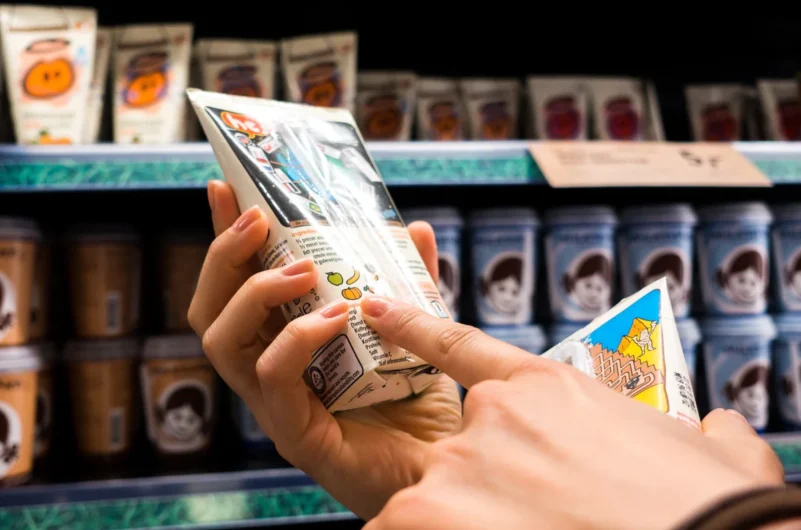
Ingredient translation has a direct impact on consumer safety, especially for food, cosmetics, and household products sold across borders. When shoppers can read ingredients and warnings in their own language, they can make informed decisions about allergens, usage, and suitability for their household. Treating translation as a safety and compliance function rather than a cosmetic change is now a practical necessity for brands entering regulated markets.
The Benefits of Ingredient Translation for Consumer Safety
Accurate ingredient translation reduces the risk of unintended exposure to allergens such as peanuts, dairy, soy, or gluten. Under frameworks like FDA food labeling rules and EU Regulation (EU) No 1169/2011, mandatory information must be clear and understandable to the average consumer in the local language. If terms are mistranslated or simplified, people with allergies, coeliac disease, or religious dietary requirements may misjudge a product’s safety.
Why precision matters across food and cosmetics
In personal care and cosmetics, errors around INCI names or precautionary statements can prompt skin irritation, eye injuries, or incorrect use. Phrases such as “avoid contact with eyes” or “for external use only” need consistent translation across packs and formats. The same applies to dosage, storage temperatures, and age restrictions, which are critical for vulnerable groups like children, pregnant consumers, or people managing chronic conditions.
Accurate ingredient translation isn’t just about language quality; it’s about whether a consumer can decide, in seconds, if a product is safe for their specific needs.
Literal word-for-word translation rarely works on crowded packaging. FMCG Localization requires aligning ingredient lists, claims, and warnings with local terminology, units, and formatting, while preserving the underlying formulation. Differences between US “major food allergens” and EU allergen lists, or between caffeine and sweetener warning phrases in Asia, are concrete examples of global market adaptation challenges that can’t be solved by generic translation tools.
Designing a reliable localization workflow
An effective workflow typically combines regulatory review, terminology management, and in-market linguistic checks. Teams need agreed termbases for allergens and additives, plus clear rules for when translations can be shortened without changing meaning. Culturally aware packaging strategies help prevent confusion between phrases like “fragrance-free” and “unscented,” while region-specific FMCG marketing tactics ensure health claims don’t turn a cosmetic into a de facto drug in the eyes of regulators.
Before approving artwork, leading brands use local market testing for product labels with consumers who have allergies, sensitive skin, or specific dietary needs. Their feedback often surfaces issues, such as ambiguous wording around plant-based ingredients or confusing formatting of precautionary statements, that internal teams overlook. Behavior-led ingredient translation choices, informed by real consumer behavior insights, tend to deliver fewer complaints and reduce the likelihood of costly relabeling or recalls.
Balancing space, clarity, and regulatory detail
Packaging real estate is limited, especially on multi-language packs, so teams must balance design with safety-critical content. Structured panels, icons paired with short warnings, and QR codes linking to extended digital information can help with adapting FMCG for global shoppers without compromising legal readability standards. When localizing products for regional demand, brands also need to factor in cross-border consumer behavior trends, such as rising sensitivity to specific preservatives or fragrances.
For organizations refining their approach, it’s worth reviewing how current processes handle data-driven retail localization insights, approval cycles, and last-minute formulation changes. Teams choosing translation or packaging partners should ask about subject-matter expertise in food and cosmetic regulations, terminology management across markets, and integration with artwork or PLM systems. Thoughtful regional marketing strategies and disciplined version control make it easier to adjust quickly as regulations and consumer expectations evolve.
If you’re reassessing how your labels perform in different markets, consider mapping your current process against the risks outlined here and identifying where specialist regulatory or linguistic support would add the most safety value.