

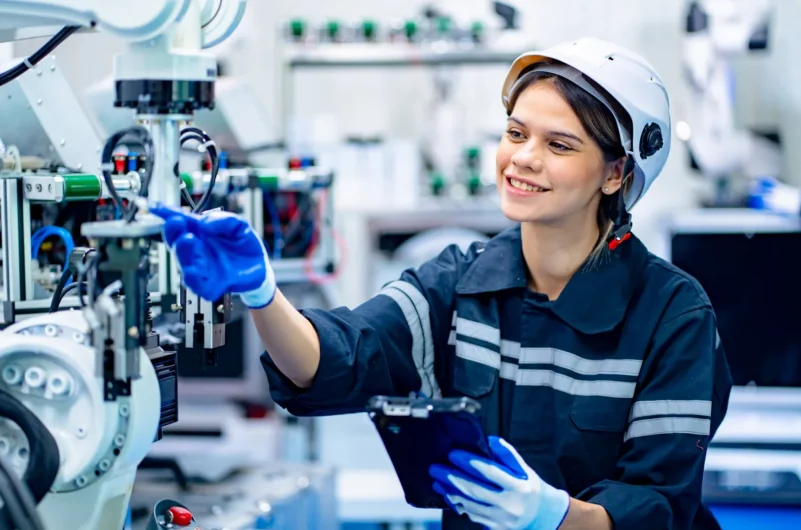
Safety Training Translation has become a core compliance requirement for manufacturing and industrial operators with linguistically diverse workforces. Regulators such as OSHA expect more than a translated slide deck; they expect workers to genuinely understand risk controls, emergency actions, and required behaviours in their own language. For plant managers and EHS leaders, the question isn’t whether to translate, but how to structure a repeatable, auditable training model that stands up to real-world inspections and incident investigations.
Why Safety Training Translation is a compliance issue, not a nice-to-have
OSHA’s position is clear: instruction must be “in a language and vocabulary workers can understand.” If your confined space or hot work training is delivered only in English to crews who primarily speak Spanish, Vietnamese, or Tagalog, you’re carrying a known compliance exposure. Inspectors often ask injured workers to explain procedures in their own words; gaps here can undermine even well-documented technical document translation efforts and incident records.
How a structured translation process works in manufacturing environments
Effective programs start with a content inventory across SOPs, e-learning modules, toolbox talks, and signage, then determine what needs full translation versus targeted terminology work. A typical workflow combines source text preparation, terminology extraction, and engineering-grade terminology translation for critical items like PPE descriptions, isolation steps, and permit conditions. Mature organisations also align their Manufacturing Translation partner with EHS, operations, and HR to ensure the translated content reflects how tasks are actually performed on the floor, not just how procedures were originally drafted.
“The test of a safety translation isn’t linguistic elegance; it’s whether a night-shift contractor can follow each step correctly under time pressure.”
Delivery formats tend to mix classroom, digital, and point-of-use materials. High-risk sites often pair multilingual industrial training content with live demonstrations from bilingual leads, backing them with translated technical safety manuals near equipment and control panels. Visual structure matters as much as wording: standard pictograms, colour coding, and numbered sequences reduce cognitive load and help workers with low literacy, even when industry-specific language services have been applied rigorously in the background.
Key design decisions before you commission multilingual safety work
Before spending on translation, define which regulations apply to each facility and which courses are legally mandated versus internal best practice. Validate language priorities using HR data, induction forms, and supervisor feedback rather than assumptions about who “gets by” in English. Decide how you’ll govern localized safety and compliance materials over time, including who approves terminology, how bilingual manufacturing SOP translation is reviewed, and how updates are triggered when engineering change notices or revised JHAs are released.
There are limits to what any vendor can fix. If your source material is outdated, inconsistent across plants, or vague on lockout/tagout boundaries, translating it will simply replicate those weaknesses. It’s usually worth stabilising core procedures first, then commissioning specialized manufacturing translation support that can scale as new lines, chemistries, or automation are introduced. For multinational operators, realistic timelines must factor in site reviewer availability, shift patterns, and competing shutdown or commissioning activities affecting global plant floor communication.
Building a sustainable ecosystem for multilingual safety content
The most resilient programs treat safety content as version-controlled assets, with clear ownership for updates in all languages whenever processes, PPE requirements, or regulatory rules change. In practice, that often means a central library covering industry-tailored documentation services, with site-level flexibility only where local law or equipment differs. Some organisations also bundle multilingual manufacturing support into capital project gates, ensuring training materials are ready before new lines start production rather than months later.
If you’re reassessing your approach to Safety Training Translation, start by mapping your current risks: where incidents, near misses, or audit findings intersect with language gaps. Then outline a phased roadmap that covers core courses first, followed by contractor inductions and point-of-use job aids. To explore how structured engineering-grade terminology translation, process-specific technical document translation, and pragmatic review cycles can work in your environment, speak with a safety localisation specialist and bring your EHS and operations leaders into the conversation early.