

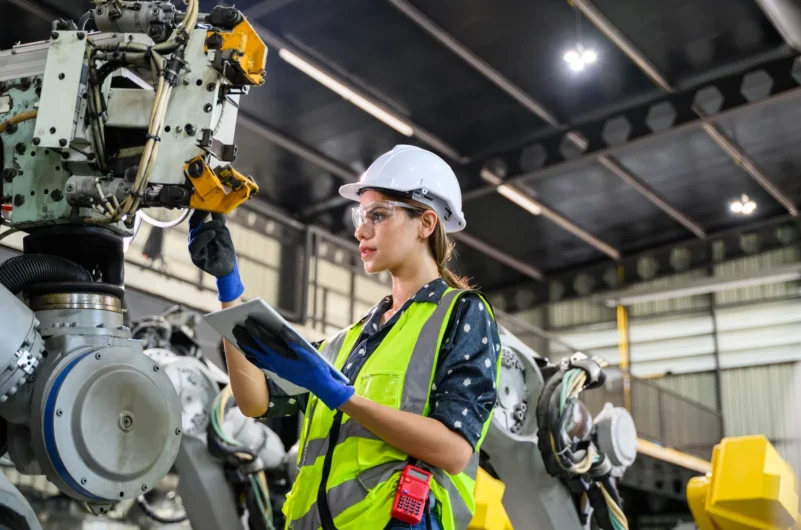
Industrial exporters planning for 2026 face mounting pressure to localize complex equipment for multiple regions while keeping safety, uptime, and compliance under control. As regulations tighten in the United States and across key manufacturing hubs in Southeast Asia, companies that treat localization as an afterthought risk non-compliant instructions, delayed commissioning, and higher support costs. A more disciplined approach to Manufacturing Translation is becoming a core element of operational risk management rather than a purely linguistic task.
Overcoming challenges in industrial localization for 2026
Modern industrial localization now covers operator HMIs, SCADA views, safety markings, technical document translation, training platforms, and field-service apps. Each content type must consistently reflect the actual machine configuration, parameter ranges, and lockout procedures. When three different terms are used for a single actuator across a manual, HMI, and PLC tag listing, technicians waste time interpreting intent and are more likely to apply the wrong procedure under pressure.
Terminology control as a safety mechanism
By 2026, unmanaged terminology will be one of the quiet failure points in many global plants. A governed glossary that’s shared by engineering, technical writers, and language partners is essential for engineering-grade terminology translation. In practice, this means approved names for critical parts, reserved wording for safety states, and banned phrases that have caused confusion in incident reports. Plants with strong control often connect terminology tools directly to PLM or MES so part numbers, tags, and descriptions are synchronized before localization even begins.
Treating translated instructions as a controlled safety component, not a PDF deliverable, is usually the turning point in industrial localization maturity.
Regulators and major industrial buyers are increasingly reviewing localized content alongside hardware and software evidence. Under IEC 82079-1 and EU Machinery Regulation 2023/1230, vague or inconsistent warning text can undermine a risk assessment, even if the underlying design is sound. In the US, OSHA inspectors are paying closer attention to whether isolation procedures and safety notices in Spanish or Vietnamese match the original English intent instead of being improvised on site by supervisors.
Working with specialized translation partners
Generic language providers rarely have the expertise to handle technical translation for manufacturers that run continuous processes or hazardous installations. More mature exporters work with teams that understand P&IDs, torque specs, and validation protocols, and can provide industrial documentation translation services aligned with change-control practices. A practical workflow usually includes sharing native CAD exports, PLC symbol lists, and sample commissioning reports, not just formatted manuals.
Well-run programs treat Manufacturing Translation as part of the engineering release, not a downstream service. For example, when a US-based OEM rolls out localized technical manuals for factories in Thailand and Indonesia, draft content is reviewed by local service engineers before anything is frozen. Their feedback on terminology, UI truncation issues, and maintenance task clarity feeds directly into improved multilingual manufacturing support for subsequent releases and retrofit kits.
Planning your next localization cycle
Manufacturers preparing documentation for 2026 projects should first map where language actually appears across the system: HMIs, mobile work instructions, lockout/tagout signage, spare-parts catalogues, and maintenance procedures. From there, prioritize high-risk elements and any content needed for conformity assessment, such as industrial localization and translation of safety functions. It’s rarely realistic to perfect every support article, but safety and commissioning tasks deserve formal review and sign-off.
Lead times are often underestimated. Third-party approvals, factory-acceptance testing, and in-country review can easily add several weeks, especially where multilingual support for production teams is needed across sites in the US, Malaysia, and Vietnam. A simple tracking model that logs which languages generate the most clarification requests quickly highlights where manufacturing process documentation translation or specialized language services for engineers are falling short and where process refinement will have the highest impact.
If you’re planning a multinational equipment rollout, now’s the time to align your engineering, safety, and localization teams around an integrated approach to Manufacturing Translation. Start by auditing one current product line, identify the riskiest gaps in instructions and terminology, and then speak with a specialist who can walk you through realistic options for scaling industrial localization without slowing down your release schedule.