

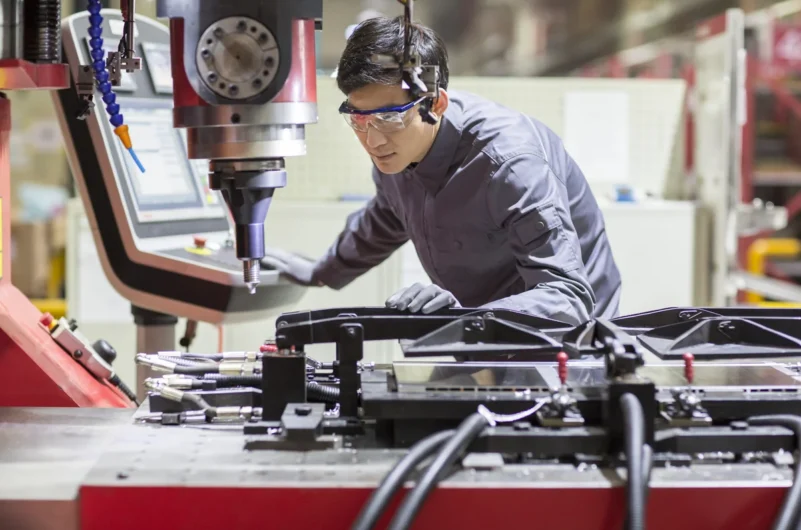
Manufacturing Software Localization: Enhancing User Experience
When localization respects how your plants actually run, operators stop fighting the system and start trusting it as part of the line.
Why localized systems often lose operator trust
In many plants, localized manufacturing platforms feel like a quick translation pass rather than a tool built for real operators. Screens show local language but still use US date formats, imperial units, and alarm codes that don’t match existing SOPs. When technical document translation or training material is translated without aligning to site standards, engineers and supervisors end up “re-translating” on the floor, which slows decisions and drives people back to spreadsheets. Trust erodes fastest when alarm text is vague, terminology changes between the HMI, MES, and procedures, and help files refer to features that no longer exist. In high-throughput or regulated environments, that misalignment isn’t just annoying; it stretches root-cause analysis timelines and increases the risk of avoidable downtime.
How Manufacturing Software Localization builds confidence
A credible approach to Manufacturing Software Localization starts with terminology, not with strings. Strong providers run discovery sessions with engineering, quality, and EHS to lock down industry-specific terminology management for core concepts like batch record, changeover, and lockout/tagout. Those decisions then drive the UI, maintenance screens, e-learning, and localized technical documentation so operators see the same wording everywhere. Behind the scenes, translation memory and industry-specific language services keep phrasing consistent across versions while reducing rework between releases. On top of that, in-country SMEs, such as local production engineers and quality leads, review alarm messages and workflow labels to confirm they match actual plant language, not just dictionary equivalents.
Aligning software with real plant conditions
Trust grows when operators feel that screens reflect the way work actually runs on site. Effective manufacturing software interface translation doesn’t stop at menus; it covers work instructions, maintenance checklists, and digital forms so they reflect local regulations and customer audits. Units, tolerances, and safety notices are mapped against current CAD drawings and SOPs so a fitter doesn’t have to mentally convert values mid-task. Providers offering engineering-grade language services usually request screenshots, sample CMMS tickets, and shift handover notes before quoting, because they know ERP language often differs from what technicians really say. That early analysis lets them shape multilingual support for factory teams that works across production, quality, and maintenance without creating new ambiguity.
For complex deployments, a staged rollout helps reduce risk. Many manufacturers start with one critical workflow, such as deviation management or cleanroom batch release, then run multilingual manufacturing support through a pilot with a few power users. Feedback from those teams shapes the next release, helping refine technical translation for manufacturers and ensuring that warning states, interlocks, and exception paths are clearly explained. It’s reasonable to expect trade-offs: rush releases with no in-country review carry higher risk, and some legacy screens may be hard to change due to fixed UI layouts. Transparent providers call out those limits early so you can plan temporary workarounds instead of discovering gaps during validation.
Quality signals that your localization partner is credible
Reliable Manufacturing Translation partners don't just promise "accuracy"; they show how they manage it. Look for native-speaking linguists with discrete or process manufacturing backgrounds, supported by specialized industrial translation services rather than generic IT translators. Ask how they integrate technical document translation from your PLM or MES into their workflow and how they maintain global manufacturing translation support as you add new plants and product lines. Strong vendors can share sample QA checklists, defect categories from previous releases, and their process for handling late engineering changes without breaking validation. When they're open about constraints, such as the need for client-side SME time or the limits of legacy code, it's a sign they're focused on long-term reliability, not quick wins.
Next steps to reduce risk and build operator confidence
If you're reassessing your Manufacturing Software Localization approach, start with one high-impact area where confusion is already hurting performance, such as changeover, maintenance planning, or batch release. A focused discovery workshop can map where current wording, units, or workflows are off, and where industry-specific language services or localized technical documentation would mitigate risk. From there, a pilot project with clear success metrics, like fewer misinterpreted alarms or faster sign-off on electronic batch records, gives you tangible proof before wider rollout. When you're ready to compare options for engineering-grade language services and structured industry-specific terminology management, speak with our team to review real project examples and design a localisation roadmap your operators and managers can trust.