

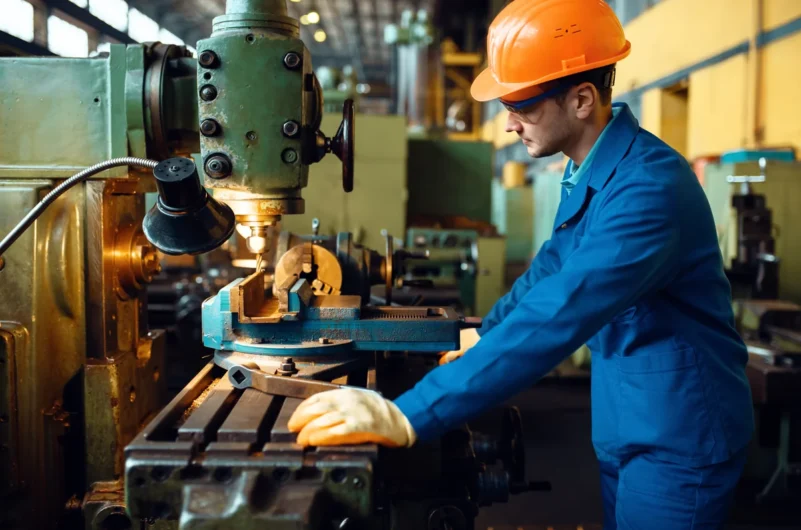
Enhancing Global Collaboration with Manufacturing Translation
Manufacturing Translation is now central to keeping distributed production teams aligned across regions, suppliers, and engineering centers. When operators in Mexico, Thailand, and the United States are working from the same process design, technical document translation must preserve every tolerance, torque value, and safety instruction. A minor mistranslation in a work instruction or commissioning guide can halt a line, trigger rework, or expose a compliance gap. Treating translation as a controlled manufacturing process, rather than an ad hoc admin task, significantly reduces that risk.
Why language alignment affects quality and safety
In real plants, most process variation starts with inconsistent inputs, and language is one of those inputs. If a translated SOP softens a requirement like “mandatory visual inspection” to “visual check if needed,” nonconformities become almost inevitable. Multilingual plant communication also affects incident investigations, where operators must describe faults and near misses precisely. For regulated manufacturing content translation in sectors such as automotive or medical devices, auditors routinely ask how multilingual procedures, training records, and SDSs are created, approved, and maintained.
Practical multilingual manufacturing support extends beyond manuals and SOPs. Maintenance teams rely on fault codes, diagnostic screens, and vendor service bulletins that often arrive in a single language. Without clear industrial terminology management, technicians may improvise unsafe workarounds or misinterpret lockout-tagout steps. I’ve seen plants in Southeast Asia run parallel “shadow” instructions written by supervisors because formal translations were late or unclear, creating two competing versions of the process on the same line.
High-performing global plants treat language as part of process control, applying the same discipline to translated documentation that they apply to PPAP, ECNs, and standard work.
A structured approach to technical documentation localization usually starts with source extraction from PLM, ERP, or MES, followed by translation using approved termbases and style guides. Engineering-grade translation services then route critical content through bilingual engineers or quality specialists who understand GD&T, control plans, and local safety codes. This is where specialized manufacturing translation differs from generic tools: reviewers check whether a tolerance, inspection frequency, or tightening sequence is both linguistically correct and technically feasible for that site.
Choosing the right model for your plants
Most organizations mix internal bilingual staff, automated tools, and industry-specific language services. Internal reviewers understand local workarounds, but they’re often pulled into urgent production issues and can’t maintain translation memory or glossaries consistently. Technical language accuracy services offered by dedicated vendors can own that infrastructure, then route plant-side review only for exceptions, such as high-risk maintenance procedures or local regulatory notes. The trade-off is longer lead times if approval bottlenecks aren’t planned carefully.
When planning global factory documentation support, segment your content by risk rather than volume. Safety procedures, lockout-tagout steps, and validation protocols justify engineering review and formal sign-off. Routine shift communications may only need clear, consistent phrasing. For organisations handling cross-border audits, industrial terminology management should align with ISO 9001 document control so that ECNs automatically trigger translation updates. A mature program also defines who owns technical document translation at the corporate level versus plant level, reducing gaps when new sites launch.
Before your next project, map which departments rely on Manufacturing Translation and where misunderstandings have previously caused downtime, scrap, or warranty disputes. Use that history to decide where industrial terminology must be standardised, which languages truly require full SOP sets, and where multilingual manufacturing support can focus on concise visual job aids. If you’d like a structured checklist for assessing technical documentation localisation maturity across your sites, speak with a specialist who works daily with engineering-grade translation services and multilingual plant communication challenges.