


How a Single Word Changed Meaning: 5 Indonesian Legal Terms That Don’t Translate Cleanly into English
In legal communication, words are not just words—they’re levers. One mistranslated term can quietly reshape rights, obligations, or enforcement without anyone noticing until it’s too late. In Indonesian
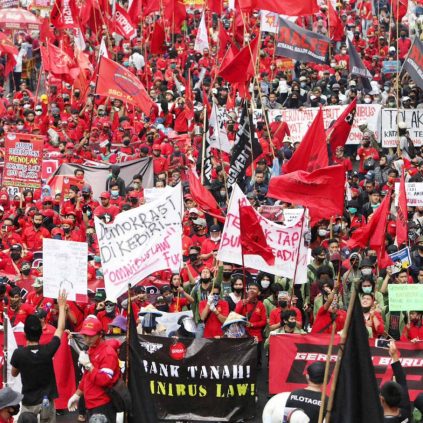
7 Translation Mistakes Found in Indonesia’s Omnibus Law English Version—and What Legal Translators Should Learn
When Indonesia introduced the Omnibus Law, international businesses paid attention. The legislation was meant to simplify investment rules, labor regulations, and licensing—exactly the kind of

Transcreation in Filipino Brand Storytelling: Turning Values Like Bayanihan and Mapagkalinga Into English Emotion
Brand storytelling thrives on emotional resonance. It’s not enough for a brand to be understood—it must be felt. But when Filipino brands enter English-speaking markets, they encounter a challenge far
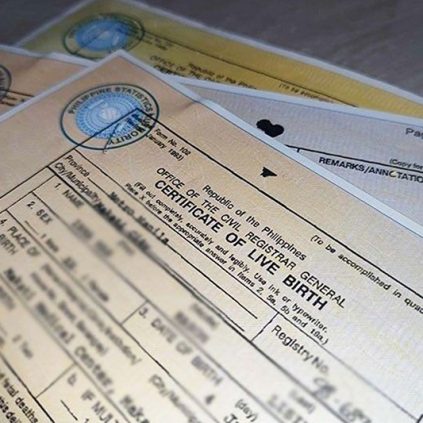
Legal Document Translation Challenges in the Philippines: When English Versions Hide Implied Filipino Consent
Legal documents are supposed to be precise. Every clause, every verb tense, and every punctuation mark exists to eliminate ambiguity. But in the Philippines, legal

Transcreation in K-Branding: How Korean Beauty and Tech Companies Convert Emotional Promise into English Appeal
Korean brands have been winning global audiences for years—not just with products, but with experiences. Whether it’s the glass-skin promise of K-beauty or the sleek lifestyle narrative of
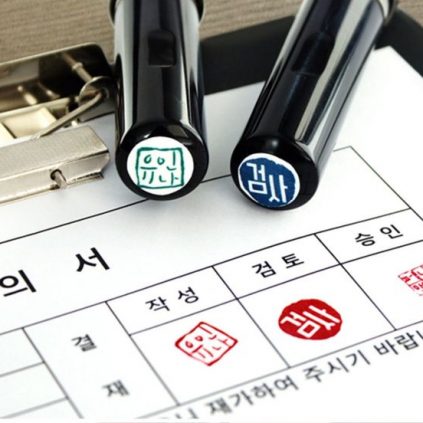
Korean-to-English Document Translation Challenges in Family Registers and Name Structures
At first glance, translating legal documents should be straightforward—names, dates, and family information go from one language to another. Yet anyone who has handled Korean civil

Hierarchy in Every Sentence: How Korean Honorific Systems Collapse English Power Dynamics
If you’ve ever wondered why conversations in Korean sound deeply respectful yet awkward when translated word-for-word into English, the answer lies in Korea’s honorific system. Korean embeds

K-Corporate Tone: Why Korean Workplace Language Sounds Too Soft or Too Harsh in English
If you’ve ever worked with Korean colleagues, attended a meeting with a Korean tech firm, or read an email from a Korean business partner, you may have

Transcreation in Japanese Gaming: How Narrative Emotion Survives the Jump from Kanji to English Dialogue
Ever noticed how characters in Japanese games can make you feel something before you fully understand what they’re saying? That’s not an accident. Japanese game writing thrives on emotional

Localizing Thai Food Culture: Why Words Like Nam Prik, Khanom, and Sabai Sabai Resist English Labels
Try explaining Thai food to someone who has never encountered it. Words like nam prik, khanom, or the expression sabai sabai may sound simple, but they carry deep cultural meanings that English can’t easily replicate.