

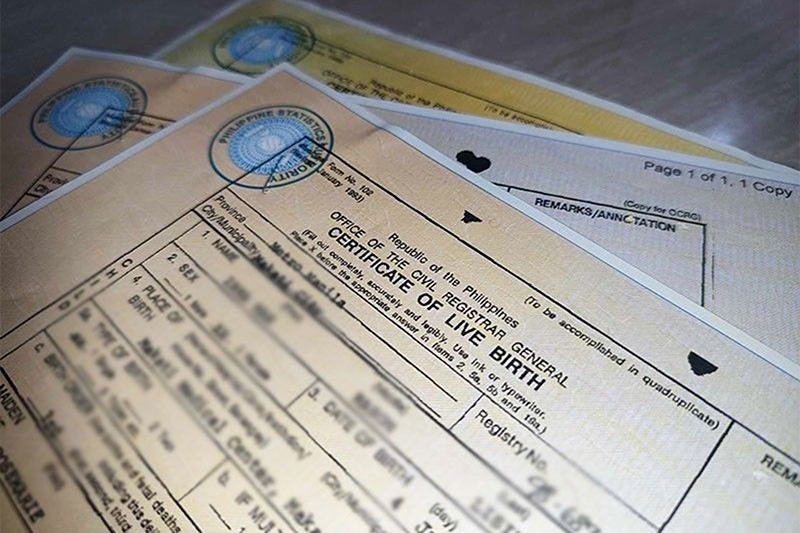
Legal documents are supposed to be precise. Every clause, every verb tense, and every punctuation mark exists to eliminate ambiguity. But in the Philippines, legal language lives in a linguistic tug-of-war. Contracts, affidavits, and waivers often exist in English, yet the cultural assumptions that shape how Filipinos understand consent, obligation, and responsibility come from Filipino—and sometimes pre-colonial—worldviews. This creates a paradox: a contract may be written in flawless English, but interpreted through Filipino cultural logic. For professionals in Filipino to English Translation, this is more than a linguistic hurdle—it’s a legal and ethical minefield.
The real problem emerges when English legal documents overlook implicit consent and deference embedded in Filipino culture. In the West, consent is explicit, verbal, and contractual. In the Philippines, silence can signify agreement, and relational power dynamics influence compliance. English legal translations often fail to capture these nuances, leading to misunderstandings, unenforceable agreements, and disputes that hinge not on the letter of the law, but on unspoken cultural expectations. This article unpacks where translations go wrong and what translators must do to prevent legal misalignment.
- The English Dominance in Philippine Legal Systems
Most Philippine laws, court rulings, and formal contracts are drafted in English due to colonial legacy and legal precedent. However, many signatories process meaning using Filipino social logic—not Western legal reasoning.
- Why Translation Isn’t Just Linguistic—It’s Cultural
Legal language assumes shared norms. English legal systems expect explicit refusal or consent. Filipino norms recognize pakikisama (harmony), hiya (shame), and utang na loob (debt of gratitude), which silently influence how agreements are made or avoided.
- Implied Consent in Filipino Cultural Behavior
In Filipino contexts, not speaking up or questioning terms does not imply apathy—it often represents respect, fear of confrontation, or trust. English contracts do not account for this, interpreting silence as agreement or negligence, not cultural deference.
- The Danger of Mismatched Interpretation
A person may sign an English waiver believing it to be a symbolic formality. Later, the English version is legally binding, even though culturally, the signer felt coerced by hierarchy or courtesy. Courts then deal with intent lost in translation.
- Filipino Legal Terms With Cultural Layers
Many Filipino legal concepts are Spanish-derived yet distinctly Filipino:
- Kasunduan (agreement) implies relational trust
- Pagpayag (consent) carries emotional undertones
- Panagot (responsibility) suggests shared burden
Their English counterparts lack these relational elements, making localized versions feel cold or incomplete.
- Double Interpretation: The Hidden Liability
A clause may say “You agree to comply,” but a Filipino reader interprets it as “You should comply,” blending obligation with politeness. This subtle shift changes legal weight and exposes businesses to disputes rooted in cultural mismatch.
- Case Example: Employment Contracts
Employees may sign English contracts expecting verbal adjustments based on past Filipino work culture. When disputes arise, employers insist on the English text, while employees claim relational agreements prevailed. Neither side is wrong—they speak different legal languages.
- Why Literal Translation Fails in Legal Localization
Literalness ignores context. Translators must understand power distance, communication style, and cultural worldview to create documents that protect both intention and legal enforceability.
- Best Practices for Legal Localization in the Philippines
To avoid misinterpretation, translators should:
- Use Filipino parallel versions when consent nuances matter
- Include clarifying clauses to eliminate cultural assumptions
- Avoid ambiguous modal verbs like should when must is intended
- Consult legal experts familiar with Filipino cultural norms
Localization is not just about accuracy—it’s about fairness.
Conclusion
Legal translation in the Philippines fails not because translators are careless, but because English legal structures assume explicit consent, while Filipino culture often encodes consent implicitly. This mismatch creates a gap where agreements seem valid on paper yet contested in practice. Anyone handling Filipino to English Translation for legal materials must understand that Filipinos rely on relational cues, social harmony, and silent agreement far more than Western legal frameworks expect. Proper localization demands cultural fluency, not just linguistic expertise. By aligning language with cultural behavior, translators safeguard both legal integrity and human intention. Without this awareness, contracts become traps—not tools—for mutual understanding. The solution isn’t choosing English or Filipino, but designing translations that honor both systems, ensuring that what is written is also what is meant.
FAQs
- Why are most Philippine legal documents written in English?
English remains the primary legal language due to colonial legacy and jurisprudence. - Does silence mean consent in Filipino culture?
Often yes, because confrontation is avoided to maintain harmony. - Why do English translations cause disputes?
They lack cultural assumptions embedded in Filipino consent norms. - Can a contract be localized without losing legal validity?
Yes, if both linguistic accuracy and cultural context are reflected. - Should legal translators consult lawyers?
Absolutely—legal localization without legal insight risks liability.