

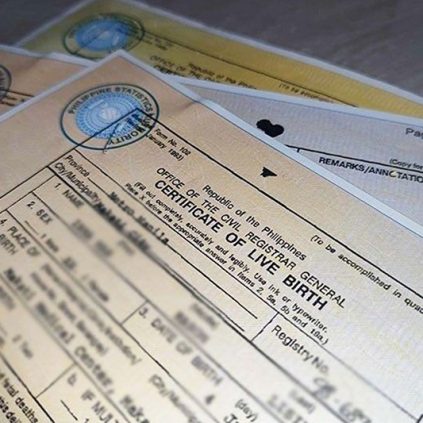
Legal Document Translation Challenges in the Philippines: When English Versions Hide Implied Filipino Consent
Legal documents are supposed to be precise. Every clause, every verb tense, and every punctuation mark exists to eliminate ambiguity. But in the Philippines, legal

The Code-Switching Paradox: Why Taglish Isn’t ‘Broken English’ but a Localization Minefield
If you’ve spent any time around Filipinos, you’ve heard conversations that effortlessly bounce between Filipino and English—sometimes mid-sentence, mid-thought, or even mid-syllable. This linguistic dance is Taglish, and contrary to

Colonial Layering: How Spanish Loanwords Complicate Filipino-to-English Localization Choices
If you grew up in the Philippines, you probably use dozens of Spanish-derived words every day without even thinking about where they came from. Words like mesa (table), kutsara (spoon), asawa (spouse), kuwarto (room), and kuryente (electricity)

When Emotions Don’t Translate: The Cultural Weight of Tampo, Kilig, and Ligaya in English Localization
Language isn’t just a tool for communication—it’s a vault of cultural memory, shared emotion, and lived experience. Nowhere is this more evident than in the world of Filipino to English Translation

Transcreation in K-Branding: How Korean Beauty and Tech Companies Convert Emotional Promise into English Appeal
Korean brands have been winning global audiences for years—not just with products, but with experiences. Whether it’s the glass-skin promise of K-beauty or the sleek lifestyle narrative of
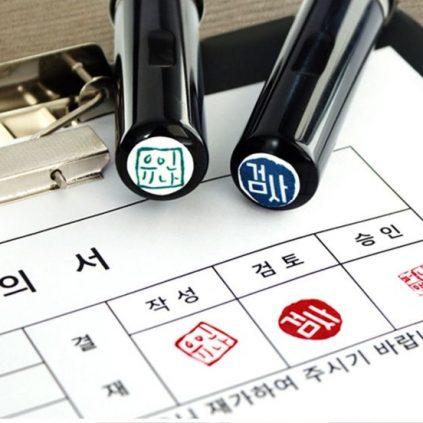
Korean-to-English Document Translation Challenges in Family Registers and Name Structures
At first glance, translating legal documents should be straightforward—names, dates, and family information go from one language to another. Yet anyone who has handled Korean civil

Hierarchy in Every Sentence: How Korean Honorific Systems Collapse English Power Dynamics
If you’ve ever wondered why conversations in Korean sound deeply respectful yet awkward when translated word-for-word into English, the answer lies in Korea’s honorific system. Korean embeds

The Truth about ‘Aegyo’: Why Cute Emotional Registers Don’t Survive English Localization
If you’ve ever watched a K-drama, listened to K-pop idols banter, or interacted with Korean streamers online, you’ve probably seen aegyo—the playful, cute, exaggerated emotional tone expressed through voice, gestures,

K-Corporate Tone: Why Korean Workplace Language Sounds Too Soft or Too Harsh in English
If you’ve ever worked with Korean colleagues, attended a meeting with a Korean tech firm, or read an email from a Korean business partner, you may have

Transcreation in Japanese Gaming: How Narrative Emotion Survives the Jump from Kanji to English Dialogue
Ever noticed how characters in Japanese games can make you feel something before you fully understand what they’re saying? That’s not an accident. Japanese game writing thrives on emotional