

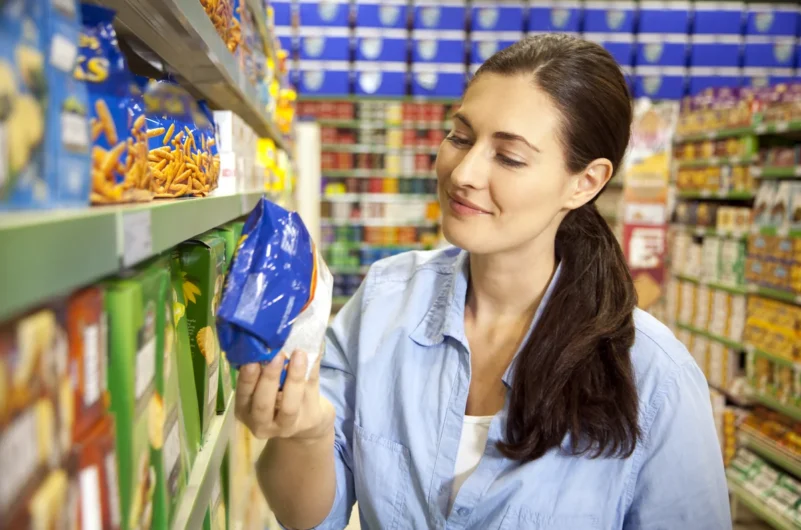
FMCG compliance translation is where regulatory accuracy, linguistics, and brand protection meet. For US-based and global brands, a mistranslated allergen, dosage instruction, or shelf-life statement isn’t a minor error; it’s a potential trigger for recalls, fines, or retailer delistings. Brands expanding into the EU and Southeast Asia quickly realize that each label, leaflet, and outer carton has to match local legal terminology, not just “sound right” in another language. Choosing a specialist partner helps turn this risk area into a controlled, traceable process you can defend to regulators and retailers.
Precision in compliance translation doesn’t happen by accident; it’s the result of disciplined workflows, regulatory fluency, and accountability at every review stage.
FMCG Compliance Translation: Why Trust Starts With Process
Regulators such as the FDA, EFSA, and authorities applying ASEAN guidelines expect that every mandatory statement appears in the correct language, using approved phrasing and layout rules. A credible FMCG compliance translation partner won’t simply pass text to generalist linguists; they build terminology databases pinned to legal definitions and keep them aligned with updates to rules like FIC Regulation (EU) No 1169/2011. When you see structured workflows that cover translation, second-level review, and layout checks, you gain confidence that nutrition panels, allergen calls, and warning statements will pass scrutiny rather than stall at last‑minute legal sign-off.
The most reliable teams explain, in plain language, how your source files move from intake to final approval. You’ll know who owns nutrition table alignment, who validates country-of-origin formats, and who signs off on functional or health claims. That visibility matters when US marketing wants to reuse copy in Thailand or Vietnam and legal is rightly cautious about cross-border market adaptation. A transparent provider will show you where global copy can be reused safely and where local rules demand a different approach, even if that means longer timelines or extra SKUs.
How Expert Teams Reduce Regulatory and Retail Risk
Specialist providers combine regulatory knowledge with subject-matter linguists who work daily on food, beverage, and personal care products. You should expect them to map your SKUs against target markets, then flag high-risk content such as dosage, age restrictions, and environmental claims that often trigger queries from retailer compliance portals. Strong FMCG Localization programs typically include back-translation on critical warnings, layout checks against font-size rules, and parallel legal review on high-visibility claims. This reduces the chance of surprises when a retailer’s technical team runs their own checks before listing your product.
What Reliable Compliance Translation Looks Like in Practice
Trust is built when your partner talks concretely about timelines, document flows, and constraints. For example, they’ll explain how regional marketing strategies interact with space-limited packs, and when a “one-label-for-all-markets” concept simply won’t pass local rules. In Southeast Asia, localized consumer behavior research often shows a preference for clear front-of-pack cues on allergens or usage frequency, which has to be reconciled with strict font hierarchies. A seasoned team won’t promise that every market can share identical artwork; they’ll help you prioritize where to maintain global consistency and where region-specific marketing playbooks are the safer choice.
You should also see evidence of market-tested localization strategies, such as prior approvals in key retailers, practical experience with retailer portals, and clear policies on how disputes between brand, legal, and local distributors are escalated. Teams that work with data-driven shopper insights and retail performance analytics by region can advise when a longer claim is worth the extra label real estate, and when a short, legally vetted statement performs better in-store. When a partner explains these trade-offs openly, using real examples rather than abstract theory, it becomes far easier to trust their guidance on culturally informed branding decisions and global market adaptation.
If you’re reassessing how you manage FMCG compliance translation for upcoming launches, treat the first engagement as a pilot. Ask for redacted audit trails, sample workflows, and a realistic schedule that acknowledges internal review bottlenecks. A partner that welcomes your questions, shares operational limits, and invites your legal team into the conversation is far more likely to safeguard your brand over the long term. Speak with our team to review your current labels, discuss FMCG Localization priorities, and plan a controlled rollout that protects both compliance and commercial timelines.