

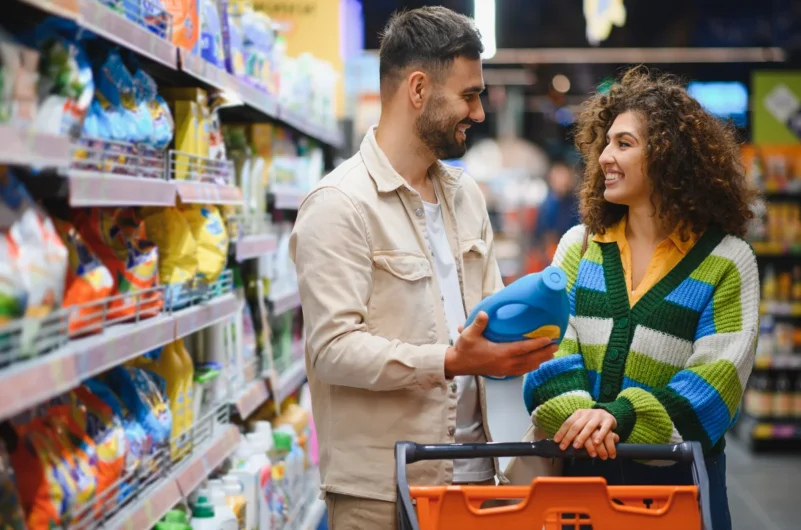
FMCG brands operating across Southeast Asia know that trust can evaporate with one bad label, confusing claim, or off-key flavor. The Role of FMCG Localization in Consumer Trust Building is no longer theoretical; it directly affects trial, repeat purchase, and retailer support. When shoppers in Jakarta, Manila, and Bangkok can compare products instantly, brands that feel built for local realities gain the advantage, while those that look imported and generic struggle for a second chance.
1. Local language that sounds like a real shopper, not a translation file
On-pack copy that reads like machine output is a red flag for shoppers who expect fluent Bahasa Indonesia, Thai, or Tagalog. Sloppy phrasing suggests shortcuts elsewhere, including in formulation or safety. Teams that anchor their FMCG Localization programs in in-market copywriters, brand guardians, and cross-cultural consumer insights avoid tone-deaf claims and mistranslated usage instructions that can trigger complaints or regulator attention.
2. Packaging tailored to true shopping missions
In FMCG categories, the pack has seconds to do its job in crowded wet markets, minimarts, and modern trade shelves. A detergent bag that works in Chicago may fail in Surabaya, where shoppers look first for refill pouches and price-per-wash cues. Brands that invest in consumer behavior insights and local shelf audits can adjust pack architecture, iconography, and claims hierarchy so shoppers find the right information in the order their eyes naturally track.
3. Compliance as visible proof of responsibility
Regulators across ASEAN scrutinize nutrition panels, functional claims, and allergen statements, and shoppers are catching up fast. When expiry dates are buried, or mandatory warnings appear only in English, consumers read it as corner-cutting. Treating compliance as part of regional marketing strategies, not a legal afterthought, means involving regulatory specialists early, tracking country-by-country updates, and stress-testing artwork against small-pack size and printability constraints.
4. Product fit with everyday rituals and constraints
Taste and usage context drive repeat purchase more than any advertising burst. Instant coffee that’s perfect for Singapore’s office workers may be too mild for Vietnamese café culture. Effective global market adaptation strategies rely on regional sensory testing, pilot launches, and data-driven consumer behavior research to refine sweetness levels, spice blends, and format choices, whether that’s single sticks for sari-sari stores or bulk family packs for hypermarkets.
5. Local proof points and service when something goes wrong
First-time buyers are reassured when they see halal logos, local quality marks, and endorsements that fit region-specific marketing playbooks rather than generic celebrity campaigns. Social feeds filled with reviews in local languages, plus responsive WhatsApp or hotline support, turn minor product issues into recoverable moments. Teams that pair consumer trust and behavior analytics with grounded market-specific branding strategies can spot where expectations break and fix the experience before it turns into a trending complaint thread.
- Use localized retail growth strategies to match pack sizes and pricing tiers with neighborhood store realities.
- Develop localized global market strategies that respect country-level regulations and retailer scorecards.
- Document region-specific workflows in practical region-specific marketing playbooks for brand and trade teams.
- Embed cultural adaptation for FMCG marketing into your NPD stage gates, not just design sign-off.
- Calibrate cross-functional reviews so cross-cultural consumer insights don't get diluted by global HQ preferences.
If your portfolio is underperforming despite strong media and competitive pricing, the issue often sits in on-pack clarity, flavor fit, or complaint handling. A specialized partner can audit your current approach, build market-specific branding strategies, and design cross-market playbooks that fit your internal approval reality, not a theoretical ideal. To pressure-test your current approach and prioritize quick wins, book a consultation with our localization specialists and see where targeted FMCG Localization can recover trust and drive your next round of growth.