

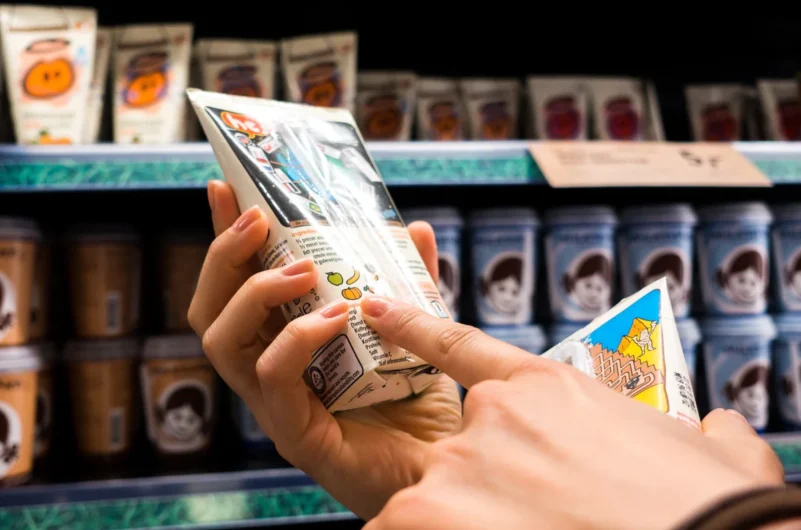
How to Ensure Quality in FMCG Translation Services isn’t a theoretical question for brands; it’s a commercial risk issue. One mistranslated allergen, dosage line, or price mechanic on shelf can trigger relabeling, retailer penalties, or a social media pile-on. With SKUs turning over fast and campaigns cycling every few weeks, language quality has to keep pace with artwork, regulatory approvals, and retail calendars.
1. Use translators who live and breathe FMCG
Generalist marketing linguists rarely understand slotting fees, dual pricing, or how retailer POS systems display copy. Prioritize translators who’ve worked on supermarket private labels, convenience chains, or pharmacy retail, and who know what gets rejected at artwork sign-off. They should be comfortable working inside tight design templates and character limits, not just “free” campaign headlines.
2. Build a terminology system before volume spikes
Once you roll out multi-market packs, ad hoc glossaries collapse. Lock down claim wording, allergens, and preparation instructions in a terminology database validated by regulatory and legal teams. That’s where FMCG Localization becomes a discipline rather than a buzzword. A controlled termbase also supports global market adaptation without having every market argue over the same sentence in every briefing round.
3. Use translation tech for precision, not shortcuts
Translation memories are useful only if they reflect current formulations and SKUs. Set up segment-level QA checks on numbers, units, preparation times, and age restrictions, and separate memories by brand architecture or tier. It’s worth rejecting a 100% match when packaging formats or nutrition panels change, particularly if local market adaptation strategies now require different serving suggestions or mandatory front-of-pack labels.
4. Tie language tightly to artwork workflows
Most mistakes appear when text hits the layout. Fonts, kerning, and line breaks can obscure allergens or split mandatory phrases in ways regulators dislike. Bring linguists into the artwork and prepress rounds, using annotated PDFs or online proofing tools so comments don’t get lost in email threads. This is where region-specific marketing playbooks should intersect with real pack constraints, not just PowerPoint theory.
5. Validate copy with in‑market teams
Head office can’t always hear what sounds off in a given suburb or store format. Local trade marketing, shopper, and sales teams catch tone and mechanic issues early, from awkward bundle language to misunderstood loyalty offers. Their culture-driven purchasing insights are often sharper than any brand tracker because they see what consumers ask at the shelf and how staff explain confusing packs in real time.
- Use localized consumer behavior research to stress-test new pack copy before a major SKU roll-out.
- Feed data-driven consumer behavior analysis into which claims and RTBs get priority on front of pack.
- Let cross-market retail strategies dictate where you can share master artwork and where markets need flex.
- Apply market-tested localization tactics to promotions that behave differently in discounters vs. premium grocers.
- Align geo-targeted FMCG branding with local price perception and promo intensity rather than global averages.
If your current provider treats packaging copy like any other marketing line, you’re carrying unnecessary risk. A specialist FMCG translation partner will treat shopper clarity and compliance as KPIs, not afterthoughts, and will be blunt about trade-offs between speed, budget, and accuracy. If you’re planning a regional roll-out or wrestling with fragmented review cycles, it’s time to speak with a team that can build practical, country-ready workflows around your next launch window.