

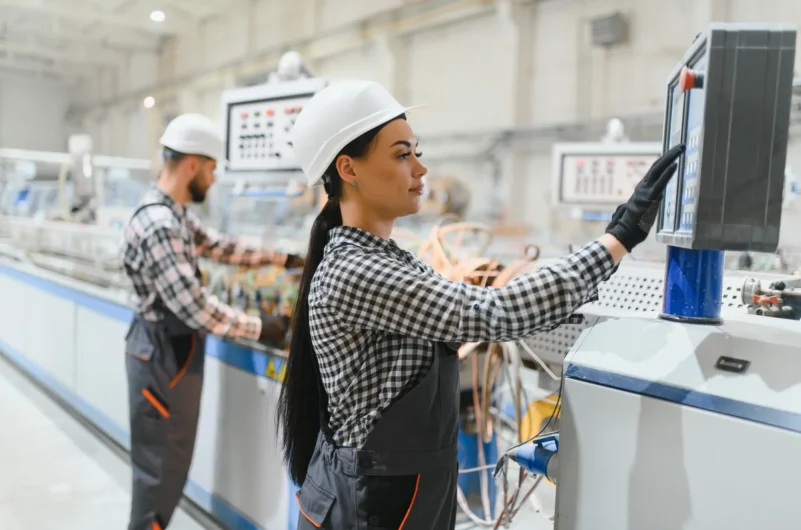
Accurate translation rarely features on manufacturing scorecards, yet it quietly determines whether global production runs smoothly or stalls. For plants coordinating suppliers, OEMs, and technicians across regions, a single mistranslated torque value or lockout step can trigger downtime, scrap, or non‑conformance. Treating language as part of process engineering creates measurable gains in quality, safety, and throughput.
1. Standardized multilingual SOPs protect process integrity
When each site “has its own version” of the SOP, you don’t have a single process; you have a set of local guesses. Standardizing work instructions across languages with industry-specific terminology management keeps cycle times, setup steps, and inspection points aligned. Using Manufacturing Translation rather than informal in‑house edits helps preserve intent for PLC parameters, torque specs, and tolerance bands, so root-cause investigations aren’t derailed by wording differences.
2. Clear technical manuals reduce unplanned downtime
Maintenance teams still spend hours decoding OEM manuals written for another market. During a breakdown, engineers scrolling through half-translated PDFs on a phone are already behind. Accurate technical document translation for service manuals, spare parts lists, and diagnostic flows shortens fault-finding and reduces the risk of swapping the wrong assembly. Structured multilingual technical manual support also keeps updates synced when OEMs revise software versions or safety notices.
3. Translation discipline strengthens quality and compliance
Quality managers in automotive, aerospace, or medical devices can’t afford ambiguity between the master control plan and its translated copies. A disciplined approach using technical manufacturing translation services for control charts, PPAP packs, and deviation forms helps ensure auditors see the same specification in every language. This matters when you’re proving adherence to IATF 16949 or ISO 13485 and need evidence that inspection criteria, sampling plans, and escalation paths haven’t been “reinterpreted” on the shop floor.
4. Safety communication must survive real-world conditions
Safety failures in multilingual plants often hinge on a small mistranslation rather than a dramatic breach. Confined-space permits, emergency stop procedures, and chemical labels need precision translation for manufacturers, tested with native-speaking operators. Pair localized technical training materials with annotated photos or P&ID excerpts so workers aren’t forced to infer meaning in noisy, low-light areas. Here, specialized industrial translation expertise can be the difference between a near miss and a lost-time incident.
5. Smarter localization speeds new product launches
New variants slow down when every factory reworks engineering specs locally. Centralizing BOMs, assembly guidelines, packaging copy, and test procedures through engineering-focused translation solutions keeps approvals faster and more predictable. The bottleneck is usually site-level review capacity, not wording itself. Structured multilingual manufacturing support and clear glossaries prevent each region from “fixing” terminology piecemeal, which later complicates change control and global factory communication services.
- Audit translated SOPs for high-risk steps like lockout–tagout, tool changeover, and critical dimension checks.
- Map your last six major stoppages to see where unclear documentation extended mean time to repair.
- Prioritize industry-specific language services for regulated product lines and customer-facing technical packs.
- Pilot engineering-reviewed translation on one line and compare scrap, rework, and training time against control lines.
- Plan budget and lead times for technical translation before major equipment upgrades or regional rollouts.
If your teams are quietly “making do” with mixed-language SOPs, you’re carrying avoidable operational risk. Structured engineering content workflows, supported by industry-specific terminology management, give you traceability over how processes are described from Detroit to Shenzhen. If you’d like to cut downtime, scrap, and audit friction driven by language gaps, speak with a specialist about practical translation standards across your plants and get a tailored quote for focused technical manufacturing translation services.