

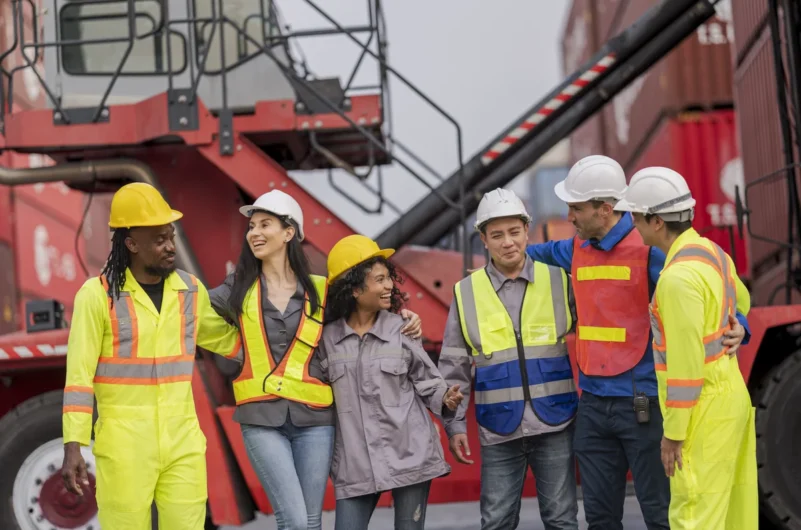
Mining operations across the United States are under pressure to keep health and safety documentation accurate, compliant, and readable for multilingual crews working in high‑risk conditions. When critical procedures move from English into Spanish or other languages, Mining Translation stops being a “nice to have” and becomes a front‑line safety control. MSHA inspectors increasingly review translated material alongside the original texts, and several serious incidents have highlighted how mistranslations or improvised briefings can distort life‑saving instructions.
Why safety translations demand specialist handling
Unlike HR policies or general corporate content, safety documents sit directly under federal regulation and site‑specific approval processes. Training plans, lockout–tagout procedures, ventilation plans, and emergency response protocols have to match MSHA program requirements, OEM manuals, and, for contractors, relevant OSHA provisions. That’s where mining industry terminology becomes non‑negotiable: confusing roof control terms or misusing “permissible” around electrical gear can undercut compliance records and undermine supervisor authority during audits.
Comparing core translation models used by US mine operators
Most operators now work with a tiered model that aligns translation effort with risk. For induction, HazCom, explosives handling, and emergency response, they usually commission technical translation services with domain‑experienced linguists and bilingual safety SMEs. These teams maintain industry-specific mining glossaries and align wording tightly with OEM instructions and site procedures. Lower‑risk material, such as toolbox talk summaries, shift notices, or non‑binding memos, is often produced via machine translation plus structured post‑editing, giving speed without completely sacrificing technical mining language support.
Quality checks that go beyond proofreading
Quality control for multilingual mining documentation now tends to include more than linguistic review. Safety leaders map translated content against MSHA‑required topics like respirable dust, diesel emissions, ground control, and confined spaces, verifying that terminology and control measures line up across every language on site. Some operators run pilot sessions where supervisors deliver training using translated slides while observers track questions, misconceptions, and where specialized mining vocabulary causes hesitation. That’s often where specialist mining translation experts refine phrasing so it works under the real constraints of underground briefings and noisy surface pits.
- Define which documents are “zero‑failure” and require full human translation and back‑review.
- Standardise terminology using industry-specific mining glossaries tied to OEM and MSHA language.
- Align refresh cycles with annual refresher training and known rule change timelines to avoid rushed updates.
- Use mining training content localisation pilots to test comprehension with crews before wide rollout.
- Document regulated mining documentation translation workflows so you can demonstrate control during inspections.
Budget and timelines inevitably shape choices, especially when accident investigations or consent orders force rapid document updates. Rush requests tend to expose weak processes: machine output pasted straight into slide decks, missing sign‑off from safety managers, or translators unfamiliar with technical HSE mining translation nuances. Structured language solutions for mining aim to prevent that by defining which content can use hybrid workflows and which must go through full SME review and back‑translation. For sites with recurring language‑related near misses, commissioning a focused audit of current Mining Translation outputs is often the fastest way to surface high‑risk gaps and prioritise a realistic remediation plan.