

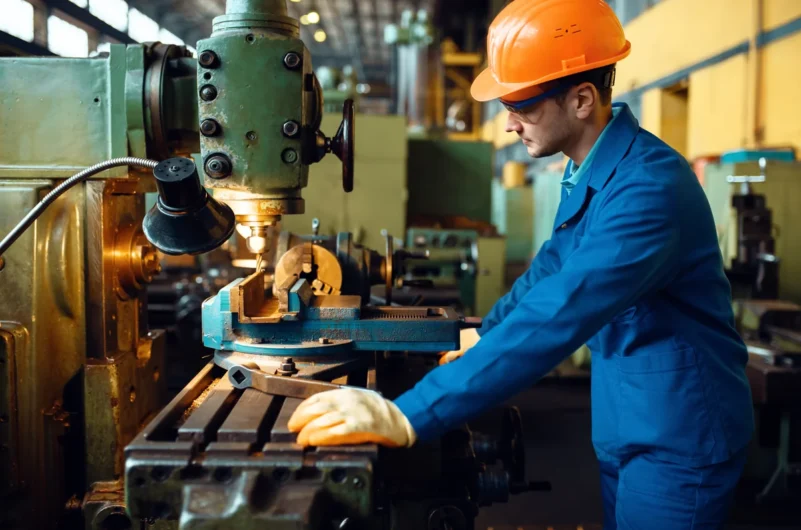
Translating manufacturing safety protocols involves various crucial elements, especially for global operations. For U.S.-based plants working with overseas teams, the primary challenge is keeping instructions clear, compliant, and usable on the shop floor. Cultural context, local legal requirements, and differing safety signage norms all shape how a seemingly simple warning is read and acted on. When technical document translation overlaps with process safety, any ambiguity can quickly become an operational risk rather than a linguistic issue.
Manufacturing safety protocol localization as a risk decision
The heart of manufacturing safety protocol localization is deciding how much risk you’re willing to outsource to language. Generic providers may handle basic manuals, but they often struggle when content intersects with OSHA rules, EU directives, or country-specific codes. A better approach blends regulatory awareness with real-world plant experience, so lockout/tagout steps read like they were written by someone who’s stood next to a live panel. That’s where Manufacturing Translation shifts from a cost line to a control mechanism over incident exposure.
Technical accuracy: where translation meets engineering
Getting technical terminology right matters more than style. Terms tied to SDSs, LOTO procedures, and OEM manuals must align across languages or incident investigations become messy. Teams often work best with industry-specific technical language experts who can reconcile in-house jargon with official standards. That’s especially true when technical safety content translation needs to match both the PLC/HMI wording and the physical labels on equipment, where character limits, abbreviations, and cramped layouts constrain how detailed you can be.
Operational models for multilingual manufacturing support
Manufacturers are gravitating toward hybrid models that balance speed, cost, and control. Some centralise glossaries and style guides, then rely on regional reviewers to verify multilingual shop-floor communication in toolbox talks and signage. Others invest in specialized industrial translation support for high‑risk procedures while using lighter processes for training collateral. In regulated sectors, regulated manufacturing document translation often goes through legal, EHS, and engineering reviews, which means longer timelines but fewer arguments if an incident ever reaches a courtroom.
- Align safety wording with equipment manuals, SDSs, and OEM terminology.
- Use term bases to maintain technical terminology consistency in translation across sites.
- Validate translations with native-speaking safety engineers, not just linguists.
- Plan for tight HMI and label space when drafting multilingual manufacturing safety documentation.
- Treat industry-specific language services as part of process safety, not just communications.
For companies running multiple plants in North America, Europe, and Asia, the question isn’t whether to translate, but which governance model to adopt. Some standardize through a single global partner offering industry-specific language services, while others rely on in-country vendors and then fight terminology drift. Where stakes are highest, technical safety content translation tends to include pilot testing, toolbox talk trials, and post-incident reviews to refine wording. If you’re weighing options, it’s worth speaking with providers that can show concrete experience in multilingual manufacturing support and documented workflows, rather than generic promises about language quality. Book a consultation with an expert team that understands manufacturing safety protocol localization in real plants, not just on paper, and pressure-test how they’d support your next procedure rollout.