

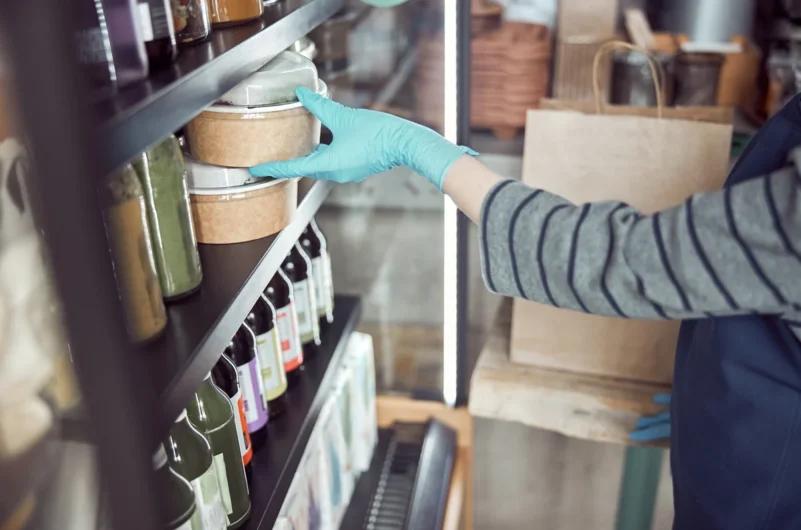
FMCG brands working across the US and Southeast Asia know how quickly shoppers compare packs on shelf. A label that feels mistranslated, incomplete, or out of step with local rules can raise doubt in seconds. This is where specialised FMCG Localization services build trust, turning potential friction points into quiet proof that your brand understands local expectations, regulations, and shopping habits.
When localisation is handled properly, packaging stops being a legal risk and becomes an everyday trust signal for your brand.
Why trust hinges on localisation quality
Shoppers scanning ingredient lists, allergen statements, and claims expect them to read as if they were written locally, not translated as an afterthought. Awkward phrasing, missing storage instructions, or nutrition panels that don’t match local norms can hint at broader quality gaps. Reliable providers combine linguists with regulatory specialists who understand FDA rules, EU FIC requirements, and halal or vegetarian claims in Southeast Asia, then align them with real-world retail localization best practices so your packs feel native on every shelf.
Trust also depends on how well your partner understands global market adaptation rather than just language. A detergent tagline that resonates in the US may clash with consumer behavior insights in Indonesia or Vietnam. When your partner flags those misalignments early, and suggests copy that respects local sensitivities while keeping your brand voice, your internal teams feel safer approving bold claims and creative variations.
How a reliable localisation workflow actually runs
A credible provider starts with a tight brief: target markets, pack hierarchies, character limits, mandatory claims, and retailer-specific rules. From there, translators and in-market reviewers work in context, not in isolation, so they see how copy fits into layout and how region-specific FMCG campaigns will use that content across digital and print. Claims that impact compliance go through a separate regulatory check, especially where cross-border shopper behavior makes grey imports likely.
For slogans or master taglines, transcreation is used instead of direct translation, drawing on culturally tuned marketing tactics and past performance in similar product categories. Throughout, version control is non‑negotiable: every formula tweak, allergen change, or serving suggestion update is logged and mirrored across SKUs. It’s rarely flawless—last‑minute retailer feedback or print cut‑offs can compress timelines—but a transparent workflow makes each trade‑off clear.
Managing risk in complex FMCG portfolios
High-SKU portfolios amplify the cost of even minor errors, from relabeling costs to delisted products. Strong FMCG Localization routines reduce that exposure through structured QA: dual-linguist review, packaging engineer checks for truncation or font legibility, and final sign‑off inside your artwork or PIM system. This approach supports localized global market strategies where a master layout is adapted for multiple regions without uncontrolled copy‑paste.
Better partners don’t just translate; they feed back data-driven consumer insights from in-market reviewers who see how shoppers interpret claims at point of sale. That loop informs market entry localization strategy for new countries, sharpening regional marketing strategies and helping you prioritise which SKUs need deeper adaptation. You’re not just avoiding recalls; you’re building a repeatable way to reduce uncertainty every time a new product or flavour rolls out.
Once localisation is embedded in your launch planning, you can move towards localized consumer engagement with confidence rather than fear of last-minute compliance surprises. If you’d like to stress‑test your current approach, speak with our team about how we structure workflows, approvals, and risk controls so your next release lands cleanly across markets.