

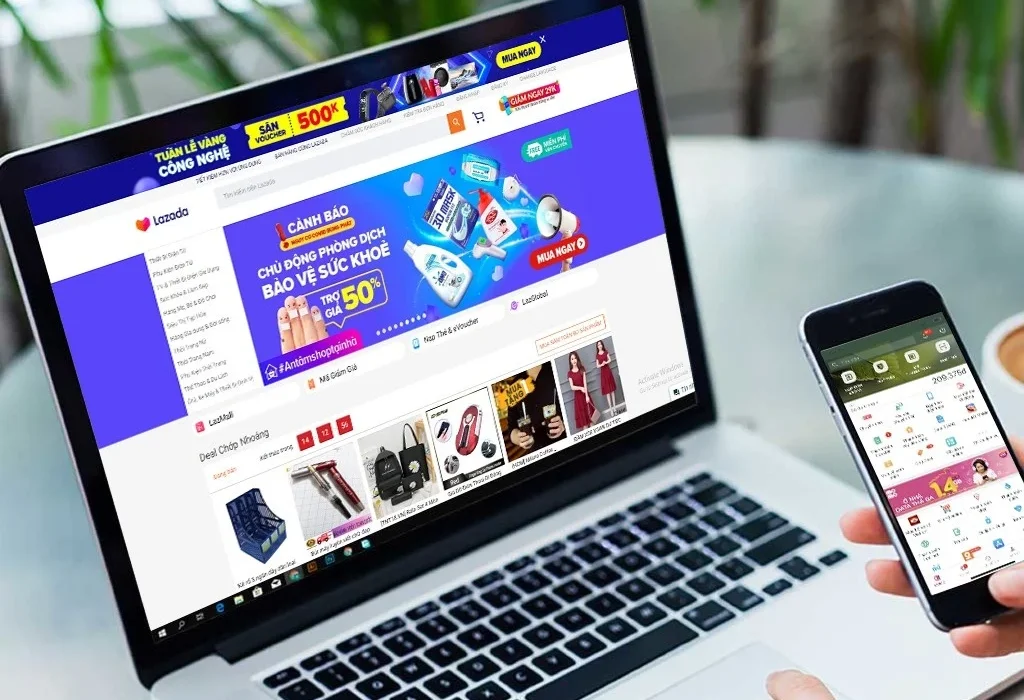
If you’ve ever expanded your Vietnamese e-commerce business into US or UK markets, you’ve probably felt it—that frustrating gap between traffic and actual sales. You’re getting visitors, but conversions? They’re not where they should be. And here’s the hard truth: it’s often not your product, pricing, or logistics. It’s your language.
Vietnamese to English translation is more than just swapping words. When product pages feel machine-translated, international buyers instantly lose trust. It’s like walking into a store where every label is slightly off—you hesitate, question quality, and eventually walk away.
The First Impression Problem: Language Signals Trust
Your product page is your storefront. And language? It’s your salesperson.
When English content sounds unnatural—awkward phrasing, inconsistent tone, or literal translations—buyers subconsciously associate it with poor quality. Even if your product is excellent, the perception shifts instantly.
Why Machine Translation Fails in E-Commerce
Machine translation tools often miss nuance. Vietnamese phrases translated directly into English can sound robotic or confusing.
For example:
- Feature descriptions become overly literal
- Benefits are unclear or buried
- Tone doesn’t match the target market
E-commerce relies heavily on persuasion. And persuasion requires emotion, clarity, and cultural alignment—things machines still struggle with.
Product Descriptions: Where Sales Are Won or Lost
Let’s be real—buyers don’t just read specs. They want to understand how your product fits into their life.
Machine-translated descriptions often:
- Focus too much on technical details
- Miss emotional triggers
- Use unnatural sentence structures
A localized product description, on the other hand, speaks directly to the buyer’s needs. It answers unspoken questions and builds confidence.
Cultural Nuances That Affect Buying Decisions
US and UK buyers expect a specific tone—clear, confident, and benefit-driven.
Vietnamese content translated word-for-word may:
- Sound overly formal or indirect
- Lack persuasive clarity
- Miss culturally relevant references
Localization bridges this gap. It ensures your message resonates—not just translates.
The Role of Transcreation in E-Commerce
This is where transcreation comes in.
Instead of translating text, transcreation adapts your message for the target audience. Think of it as rewriting your content with the same intent but a different cultural lens.
For example:
- “High-quality materials” becomes “Built to last for everyday use”
- Generic claims become relatable benefits
It’s not about accuracy—it’s about impact.
Website Translation vs. Localization: The Key Difference
Many businesses stop at website translation. But that’s only half the job.
Translation converts language.
Localization converts experience.
With proper localization, your site:
- Feels native to US/UK users
- Matches buying behavior expectations
- Aligns with regional language norms
That’s what drives conversions.
Why Buyers Leave Without Buying
Let’s break it down simply. Buyers leave when:
- They don’t trust the wording
- They feel confused by descriptions
- The tone feels “off”
Even small inconsistencies can create doubt. And doubt kills conversions.
How Document Translation Supports E-Commerce Growth
It’s not just product pages.
Supporting materials like:
- Return policies
- Shipping details
- Product manuals
All need accurate document translation. These build credibility and reduce friction in the buying process.
Conclusion
If your Vietnamese e-commerce store isn’t converting international traffic, the problem might not be your product—it’s your language.
Machine-translated content creates distance. It makes buyers hesitate, question, and ultimately leave. But with proper Vietnamese to/from English translation, combined with transcreation and localization, you close that gap.
You build trust. You speak your customer’s language—not just literally, but culturally.
If you’re serious about scaling into US and UK markets, it’s time to stop thinking of translation as a task—and start treating it as a growth strategy.
FAQs
- Why is machine translation bad for e-commerce websites?
It often produces unnatural language that reduces trust and lowers conversion rates. - What is the difference between translation and localization?
Translation converts language, while localization adapts content for cultural relevance. - How does transcreation help product pages?
It rewrites content to be persuasive and emotionally engaging for the target market. - Do I need document translation for e-commerce?
Yes, policies and product documents improve credibility and customer trust. - How much can localization improve conversions?
Many businesses see 20–40% improvements after optimizing English content.