

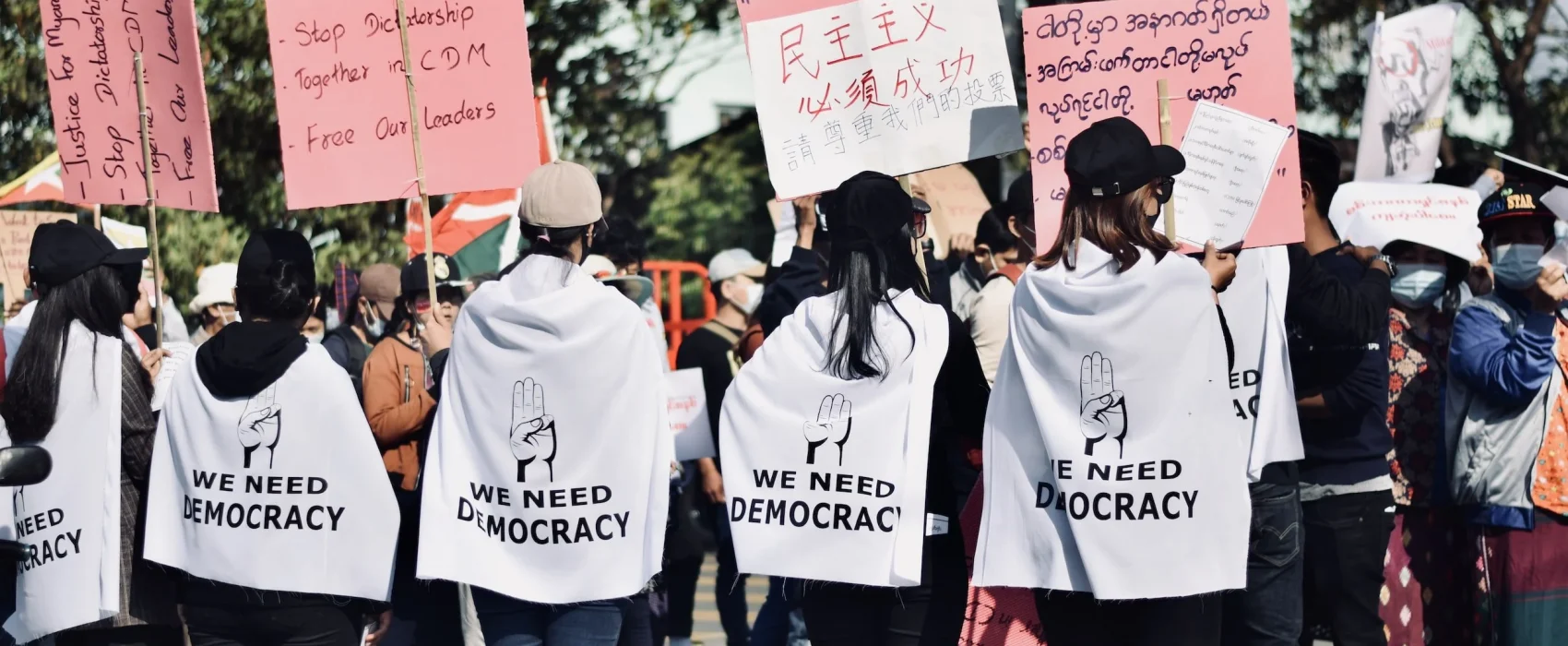
Advocacy campaigns live or die by how clearly their message lands. When that message starts in Burmese and ends in English, the journey is far more fragile than many organizations realize. On paper, a direct Burmese to English translation may look accurate. Grammatically correct. Even professional. Yet once released into the international arena, the campaign falls flat—fails to move donors, confuses policymakers, or dilutes urgency.
Why does this happen? Because advocacy language isn’t just informational. It’s emotional, cultural, and deeply contextual. Burmese advocacy writing often relies on shared assumptions, indirect persuasion, and culturally coded urgency. English advocacy, especially for international audiences, demands clarity, emotional framing, and explicit calls to action.
Advocacy Language Is Not Neutral Language
Advocacy content is designed to persuade, not just inform. Literal translation preserves words—but persuasion lives in tone, emphasis, and emotional pacing.
When those elements aren’t localized, the message weakens.
- Burmese Advocacy Uses Indirect Persuasion
Burmese campaigns often guide readers toward a conclusion rather than stating it outright. Literal English translation makes this sound vague or non-committal.
English audiences expect clear positioning and stated intent.
- Emotional Weight Is Culturally Embedded
In Burmese, emotion is often expressed through implication rather than intensity. When translated directly, English readers may feel no urgency at all.
Transcreation recalibrates emotional signals without exaggeration.
- Calls to Action Become Soft Suggestions
What functions as a strong moral call in Burmese can sound optional in English. This directly impacts engagement and conversion.
- Respectful Tone Sounds Passive in English
Politeness markers common in Burmese advocacy can weaken perceived authority when translated literally.
English advocacy favors confident, assertive language.
- Cultural References Lose Meaning
Local metaphors or historical references resonate deeply in Burmese—but confuse international audiences if untranslated or over-literal.
- Risk-Avoidance Becomes Message Dilution
Burmese advocacy often avoids confrontation for safety reasons. Direct translation can unintentionally downplay severity for global audiences.
What Transcreation Actually Does
Transcreation rewrites the message so the impact stays the same, even if the wording changes. It:
- Rebuilds emotional pacing
- Clarifies implied urgency
- Adapts calls to action
- Aligns tone with advocacy norms
This is not rewriting facts—it’s restoring intent.
When Advocacy Campaigns Should Use Transcreation
- Human rights reporting
- Awareness fundraising campaigns
- Policy advocacy materials
- Public education initiatives
- Donor-facing communications
In these cases, document translation alone is not enough.
Conclusion
Advocacy fails when meaning survives but impact doesn’t. Direct Burmese to English translation often preserves information while stripping away urgency, emotion, and persuasive force. The result is messaging that feels polite, distant, or unclear—exactly the opposite of what advocacy demands.
Transcreation bridges this gap. It ensures your English audience feels what the Burmese audience feels, understands what they’re meant to do, and responds accordingly. For organizations working in or reporting on Myanmar, this isn’t a stylistic choice—it’s a strategic one.
If awareness matters to your mission, your translation approach must go beyond words and protect the heart of your message.
FAQs
- Is transcreation appropriate for advocacy work?
Yes. Advocacy relies on emotional and persuasive accuracy, not just linguistic accuracy. - Does transcreation change facts?
No. It adapts expression, not information. - Why does literal translation weaken campaigns?
Because it removes emotional cues and cultural urgency. - Is transcreation more expensive than translation?
Yes—but far less costly than failed campaigns. - When should NGOs avoid literal translation?
Whenever persuasion, funding, or public action is involved.