

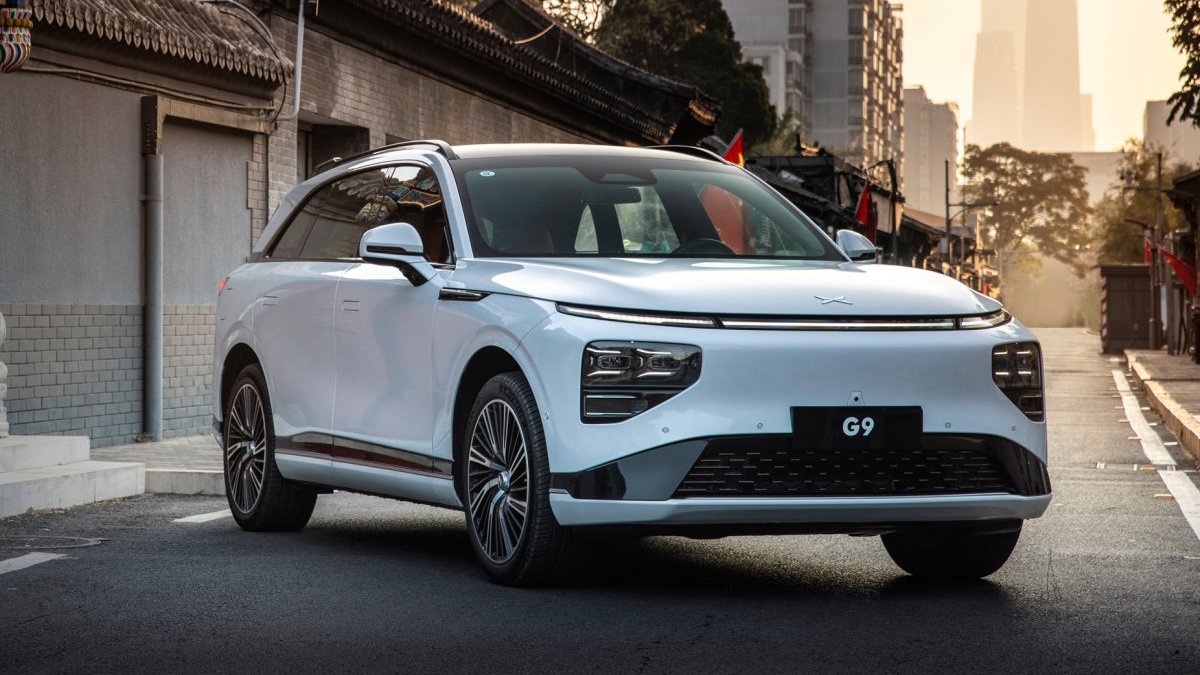
Chinese EV and battery companies are dominating headlines—and for good reason. With rapid innovation, competitive pricing, and massive production capacity, they’ve become key players in the global energy transition.
But when these companies step into international markets, especially in the US, EU, or Korea, they face intense scrutiny during due diligence.
And surprisingly, one of the biggest challenges isn’t technology—it’s language.
Investors, regulators, and partners rely heavily on English-language documentation to evaluate risk. If your Chinese to English translation is unclear, inconsistent, or inaccurate, it raises serious concerns—even if your business is fundamentally strong.
What Is Due Diligence and Why Language Matters
Due diligence is the process of evaluating a company before investment, partnership, or acquisition.
It involves reviewing:
- Financial statements
- Technical reports
- Compliance documents
- Operational data
For international stakeholders, these documents are typically in English.
If the translation is poor, it creates uncertainty. And in high-stakes industries like EV and battery manufacturing, uncertainty equals risk.
How Poor Translation Raises Red Flags
Imagine reviewing a company’s technical report filled with inconsistent terminology and unclear explanations.
What would you think?
Most investors assume:
- Lack of professionalism
- Potential hidden risks
- Weak internal processes
Even if these assumptions are incorrect, poor Chinese to English translation creates doubt—and doubt can kill deals.
Technical Complexity Requires Precision
EV and battery technologies are highly technical.
Documents often include:
- Engineering specifications
- Safety data
- Performance metrics
These require precise document translation. A single mistranslation can:
- Misrepresent product capabilities
- Create compliance concerns
- Lead to incorrect evaluations
Accuracy isn’t just important—it’s critical.
The Role of Localization in Investor Communication
Localization goes beyond translation. It ensures that content aligns with the expectations of international audiences.
For example:
- Financial reports must follow familiar structures
- Technical explanations should use globally recognized terminology
- Risk disclosures need to be clear and transparent
This level of adaptation builds confidence and improves understanding.
Why Transcreation Matters in Corporate Messaging
Transcreation isn’t just for marketing—it’s also important for corporate communication.
Investor presentations, executive summaries, and strategic documents must:
- Communicate vision clearly
- Build credibility
- Engage stakeholders
A literal translation might be accurate—but it won’t inspire confidence. Transcreation ensures the message feels natural and persuasive.
The Global Context: Regulatory and Market Expectations
International markets have strict expectations for transparency.
Regulators and investors expect:
- Clear documentation
- Consistent terminology
- Accurate disclosures
Failure to meet these expectations can result in increased scrutiny or even rejection.
Why English Is Critical for Korean Market Entry
For Chinese EV companies expanding into Korea, English often serves as a base language for further localization.
This means:
- Errors in English translation can carry over into Korean
- Miscommunication can affect partnerships and compliance
High-quality Chinese to/from English translation is essential for smooth expansion.
The Risks of Relying on Machine Translation
Machine translation may seem convenient, but it’s risky for due diligence.
It struggles with:
- Technical accuracy
- Contextual nuance
- Industry-specific language
In high-stakes scenarios, these limitations can have serious consequences.
Building Trust Through Clear Communication
At the core of due diligence is trust.
Clear, well-structured, and accurately translated documentation signals:
- Professionalism
- Transparency
- Reliability
This builds confidence and increases the likelihood of successful partnerships.
Conclusion
Chinese EV and battery companies are leading the future of energy—but global success requires more than innovation.
It requires clear, accurate, and well-localized communication.
During due diligence, language becomes a critical factor in how your business is perceived. Poor translation creates doubt, while high-quality Chinese to/from English translation builds trust.
By investing in professional document translation, website translation, and transcreation, companies can navigate scrutiny with confidence and unlock global opportunities.
If you’re preparing for international expansion or investment, don’t overlook your documentation. Because in global business, how you communicate is just as important as what you build.
FAQs
- Why do EV companies face scrutiny during due diligence?
Because investors rely on clear documentation to assess risk and performance. - How does translation affect due diligence?
Poor translation creates uncertainty and raises red flags for investors. - What is transcreation in corporate communication?
It adapts messaging to ensure clarity and impact for global audiences. - Why is English important for Korean expansion?
English often serves as a base for further localization into Korean. - Can machine translation be used for technical reports?
No, it lacks the precision required for high-stakes documentation.