

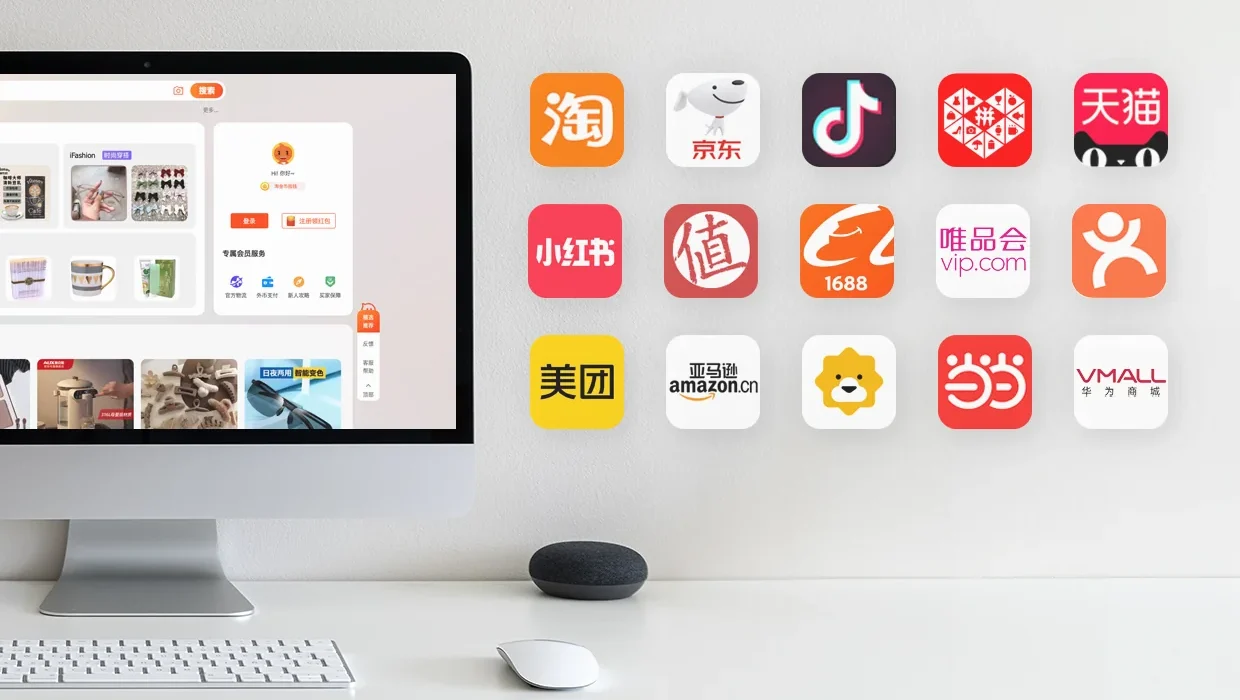
You’ve probably seen it before—Chinese e-commerce websites offering unbeatable prices, massive product selections, and fast global shipping. On paper, it’s a winning formula. So why do so many of these businesses struggle to convert US customers?
The answer isn’t pricing, logistics, or even product quality. It’s communication. More specifically, it’s the lack of effective Chinese to/from English translation and localization.
For businesses trying to enter English-speaking markets—or even Korean markets where English often acts as a bridge language—this gap can quietly kill conversions. From awkward product descriptions to mistranslated policies, small linguistic errors create big trust issues.
The Hidden Cost of Poor Translation in E-Commerce
Let’s start with the obvious: customers need to understand what they’re buying.
But here’s the problem—many Chinese e-commerce platforms rely on literal translation instead of proper localization. The result? Product pages that feel confusing, robotic, or even suspicious.
Think about this: would you trust a website that says, “This product is very good quality for your happiness use”? Probably not.
Poor Chinese to/from English translation doesn’t just reduce clarity—it damages credibility. And in e-commerce, trust is everything.
Why US Customers Are Highly Sensitive to Language Quality
US consumers are used to polished, native-level content. They expect product descriptions, return policies, and checkout processes to be seamless and clear.
When they encounter broken English or inconsistent terminology, it raises red flags:
- Is this site legitimate?
- Will I actually receive what I ordered?
- What happens if something goes wrong?
Even if your pricing is 30–50% cheaper, uncertainty kills conversions. Language becomes a trust signal—and poor translation signals risk.
Localization vs Translation: Why It Matters More Than You Think
Translation converts words. Localization converts experiences.
A direct translation might technically be correct, but it doesn’t account for cultural expectations, tone, or user behavior.
For example:
- US buyers expect benefit-driven product descriptions
- They respond to emotional triggers and clear value propositions
- They prefer concise, scannable content
This is where transcreation comes in. Instead of translating word-for-word, transcreation adapts the message so it resonates naturally with the target audience.
Without this, your website may be understandable—but not persuasive.
Checkout Friction Caused by Language Gaps
Here’s where things get critical: the checkout process.
Many Chinese websites lose conversions at this stage due to:
- Confusing shipping terms
- Poorly translated return/refund policies
- Ambiguous payment instructions
Imagine reaching checkout and seeing unclear terms like “delivery maybe 7-30 days depending situation.” That uncertainty alone can make users abandon their carts.
Clear, localized document translation—especially for policies and legal text—is essential to reducing friction and building confidence.
The Role of Website Translation in Global Expansion
Website translation is more than just content—it’s your digital storefront.
Every element matters:
- Product descriptions
- Category pages
- FAQs
- Customer support content
If even one section feels off, it disrupts the entire user experience.
For companies targeting Korean markets, this becomes even more complex. Many Korean buyers rely on English as an intermediary language before local translation, making accurate Chinese to/from English translation even more critical.
Why Machine Translation Isn’t Enough
Machine translation tools are fast—but they lack nuance.
They struggle with:
- Industry-specific terminology
- Cultural context
- Tone and persuasion
In e-commerce, where emotional triggers drive buying decisions, this becomes a major limitation.
Professional translation combined with transcreation ensures that your messaging doesn’t just make sense—it sells.
Building Trust Through Language Consistency
Consistency is another overlooked factor.
If your product page uses one term, your checkout page uses another, and your support page uses something else entirely, it creates confusion.
A structured localization strategy ensures:
- Consistent terminology
- Clear messaging
- Unified brand voice
This is especially important for businesses scaling across multiple markets.
Conclusion
At the end of the day, Chinese cross-border e-commerce websites don’t lose US conversions because of price—they lose them because of trust gaps caused by poor communication.
Language isn’t just a technical requirement. It’s a core part of the customer experience.
By investing in high-quality Chinese to/from English translation, website translation, and transcreation, businesses can transform their global performance. They can turn confusion into clarity, hesitation into confidence, and traffic into actual revenue.
If you’re serious about expanding into Western or Korean markets, don’t treat localization as an afterthought. Treat it as your competitive advantage.
Because in global e-commerce, the brands that communicate best are the ones that win.
FAQs
- Why do Chinese e-commerce sites struggle with US conversions?
Poor translation and lack of localization reduce trust and clarity, leading to abandoned purchases. - What is transcreation in e-commerce?
It adapts content creatively to fit cultural and emotional expectations rather than translating literally. - How important is website translation for global sales?
Critical—it directly affects user experience, trust, and conversion rates. - Can machine translation handle e-commerce content?
Not effectively. It lacks nuance, tone, and cultural adaptation needed for sales-driven content. - Why is English important even for Korean markets?
English often serves as a bridge language before localization into Korean, making accuracy essential.