

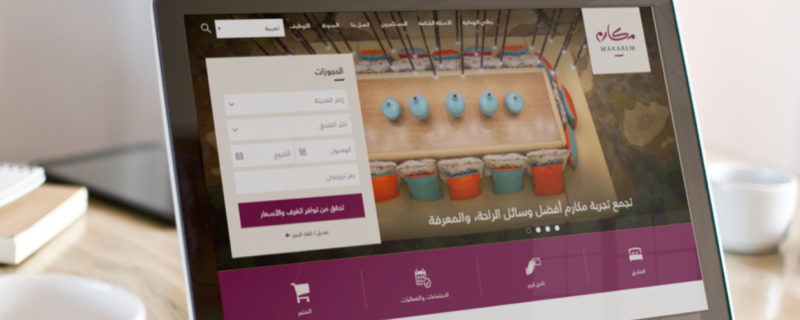
Let’s be honest—translating a website isn’t the same as translating a brochure. When it comes to Arabic to English website translation, you’re not just converting text. You’re rebuilding user experience, cultural tone, SEO strategy, and sometimes even brand positioning. A website is interactive. It’s dynamic. It sells, educates, builds trust, and captures leads. So if you treat website translation like simple language conversion, you’re already behind.
Arabic and English differ not only in language structure but also in reading direction, layout expectations, buyer psychology, and digital behavior. That means your English version shouldn’t look or feel like a mirrored copy—it should feel native. In this article, we’ll unpack why website translation demands localization strategy, SEO intelligence, cultural awareness, and UX adaptation. If you’re expanding into English-speaking markets, this is where real digital growth begins.
Translation vs. Website Localization
Here’s the big difference: translation changes words. Localization changes experience.
Arabic websites are right-to-left. English websites are left-to-right. That alone affects navigation, design balance, and visual hierarchy. But beyond layout, user expectations shift too. English-speaking audiences often prefer concise messaging, clear calls to action, and fast-loading pages.
Localization ensures your English website feels intentionally built—not converted.
SEO Is Different in Every Language
Search behavior in Arabic differs significantly from English search patterns.
Arabic queries often use longer phrasing and contextual wording. English searches tend to focus on short, intent-driven keywords. If you translate Arabic keywords directly, you may miss how English users actually search.
Effective Arabic to English website translation includes:
- Keyword research for English markets
- Search intent alignment
- Optimized headings and metadata
- Natural keyword placement
Without SEO adaptation, your translated website may exist—but no one will find it.
Cultural Tone and Messaging Expectations
Arabic websites often use formal, elaborate expressions that convey respect and tradition. English digital audiences typically prefer clarity, relatability, and conversational tone.
Imagine landing on an English site filled with overly formal, poetic phrasing. It feels distant. Cold. Maybe even confusing.
Website translation must adapt tone to match cultural expectations while preserving brand credibility.
Calls to Action Must Be Reimagined
Arabic CTAs often emphasize trust and long-term relationship building. English CTAs tend to be more direct and benefit-driven.
For example:
- Arabic-style CTA: “We are honored to serve you.”
- English-optimized CTA: “Get Your Free Quote Today.”
See the difference? One builds respect. The other drives action.
Website translation must adjust persuasion techniques to fit the target audience.
UX and Navigation Structure
User experience isn’t universal.
English users expect:
- Simple menus
- Logical page hierarchy
- Clear value propositions above the fold
- Transparent pricing
If your Arabic site structure is replicated without adaptation, you risk high bounce rates.
Localization improves usability—and usability improves conversions.
Technical Considerations
Arabic and English differ in:
- Text expansion/contraction
- Font rendering
- Mobile responsiveness
- URL structure
A properly translated English site should not break layout or overload design elements. Technical refinement is part of the translation process.
Brand Trust in Global Markets
When English copy feels unnatural, visitors question credibility. Even minor awkward phrasing can signal “foreign brand” in a way that reduces trust.
Professional website translation ensures your English content feels polished, authoritative, and trustworthy.
Because perception drives decisions.
Content Marketing Integration
Blogs, landing pages, and product descriptions require localized storytelling.
English content marketing often emphasizes:
- Educational value
- Problem-solving
- Actionable insights
Arabic storytelling may be more narrative-driven. Localization bridges that gap strategically.
The Business Impact of Getting It Right
Companies that localize websites properly often see:
- Higher engagement rates
- Increased conversion rates
- Improved search visibility
- Stronger brand authority
Website translation isn’t an expense—it’s a growth multiplier.
Conclusion
Arabic to English website translation demands more than linguistic conversion. It requires strategic localization, SEO intelligence, UX adaptation, and cultural recalibration. Your website is often your first impression in a new market. If it feels translated, you’ve already created friction. If it feels native, you’ve created opportunity.
Think of your website like a storefront. You wouldn’t open a physical store in a new country without redesigning it for local shoppers. Your digital storefront deserves the same attention.
If you’re serious about global expansion, invest in professional website localization—not just translation. The difference isn’t subtle. It’s measurable.
FAQs
- Is website translation the same as content translation?
No. Website translation includes UX, SEO, and cultural adaptation. - Why can’t I use automated tools for website translation?
Automated tools lack SEO strategy and cultural nuance. - Does website localization improve conversions?
Yes. Localized messaging aligns better with user expectations. - Should SEO research be done separately for English?
Absolutely. Search behavior differs significantly between languages. - How often should localized content be updated?
Regularly, especially if your Arabic site isfrequently updated.