

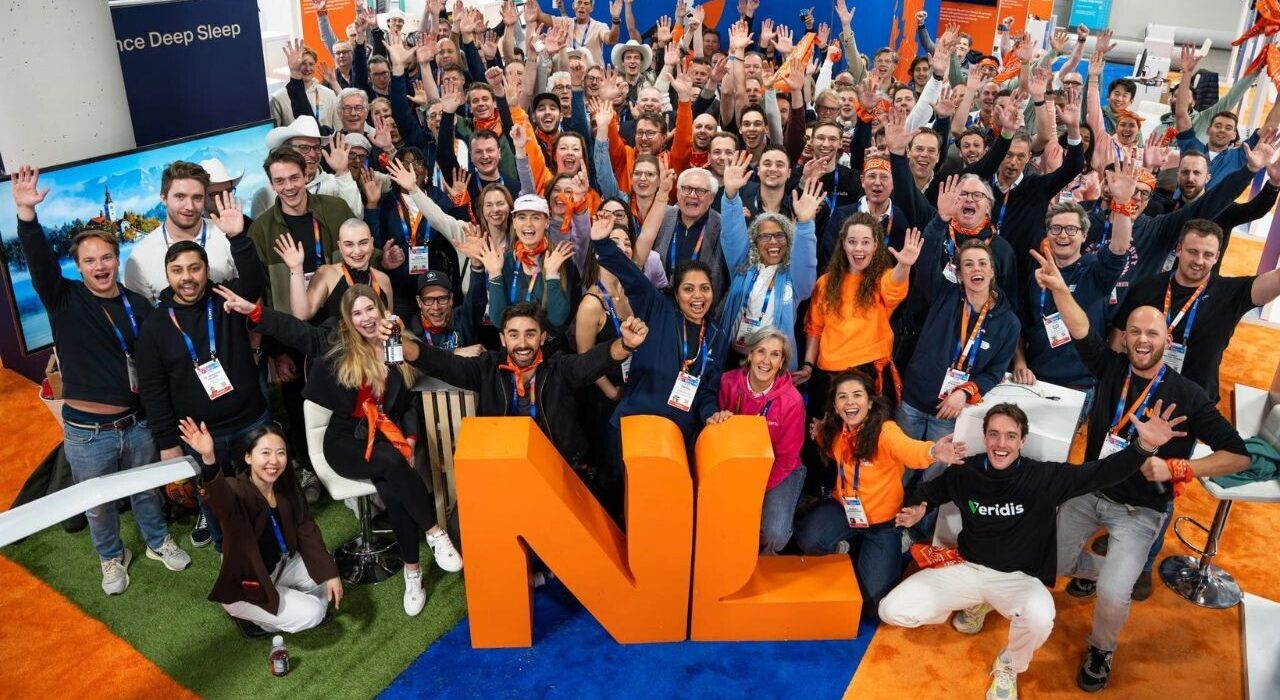
Dutch startups have built a strong international reputation. The Netherlands consistently ranks among Europe’s most competitive startup ecosystems, with companies scaling rapidly in fintech, SaaS, climate tech, and logistics. Access to English fluency domestically often creates a sense of readiness for global expansion, particularly into the US and UK markets. But here’s where many founders discover a hard truth: speaking English and competing in English are not the same thing.
Over the past decade, multiple Dutch startups expanded into the US and UK aggressively—opening offices, hiring sales teams, and investing heavily in marketing—only to realize that their English messaging, positioning, and documentation were not aligned with local expectations. The lesson wasn’t about product quality. It was about communication precision. Expanding too quickly without strategic localization exposed weaknesses that slowed growth, inflated costs, and, in some cases, forced market exits.
The Assumption That “We Already Speak English”
Dutch professionals rank among the highest non-native English speakers globally. This often creates confidence during early expansion planning. Founders assume that because their internal operations function in English, their external messaging will naturally perform in the US or UK.
However, investor decks, sales scripts, pricing pages, onboarding flows, and support documentation require more than grammatical accuracy. They require alignment with local buyer psychology.
US startup culture, for example, tends to reward bold positioning, aggressive differentiation, and outcome-driven narratives. UK markets emphasize regulatory clarity and contractual precision. Dutch communication, often pragmatic and understated, may not signal competitive dominance in these environments. Fluency does not equal persuasion.
Real Example: WeTransfer’s US Market Adjustment
WeTransfer, founded in Amsterdam, entered the US market early in its growth journey. While the product was globally appealing, its English messaging evolved significantly as it competed against US-based platforms. Initial positioning emphasized simplicity and functionality. Over time, US-facing campaigns leaned more heavily into creative empowerment, brand partnerships, and cultural relevance. The company invested in localized brand storytelling tailored to American creative industries rather than relying on direct European messaging.
This strategic repositioning strengthened US engagement. The product didn’t change dramatically. The narrative did.
Pricing and Sales Culture Shock
Many Dutch startups entering the US market encounter friction around pricing transparency and sales urgency. American SaaS culture often expects aggressive calls to action, limited-time offers, and ROI-focused case studies. Dutch founders sometimes underestimate how much sales tone influences buyer perception. Messaging that feels balanced and modest domestically may feel hesitant in the US.
In contrast, UK markets tend to scrutinize contractual clarity and service-level agreements more intensely. English documentation must address compliance, liability, and service guarantees clearly to build trust. Failing to adapt tone and documentation structures leads to slower deal cycles.
The Legal and Documentation Learning Curve
Startups expanding quickly often focus on marketing and partnerships but overlook contractual localization. Terms of service, privacy policies, and partnership agreements require adaptation to UK and US legal frameworks. For example, data protection expectations differ between EU GDPR standards and US state-level regulations. English legal documentation must reflect local enforceability, not just EU alignment.
Several Dutch startups entering the US later revised their privacy policies and liability clauses after receiving feedback from American legal advisors. The initial assumption that EU-compliant documentation would automatically suffice proved incorrect. Legal English must match jurisdictional expectations.
Investor Communication Differences
Dutch startup culture is often grounded in sustainable growth and operational discipline. US venture capital environments frequently prioritize aggressive scalability narratives and market dominance language. Pitch decks translated directly from Dutch positioning may emphasize product stability and efficiency rather than exponential growth potential. In US funding conversations, that shift in tone can affect perception.
Startups that recalibrated their English investor messaging—highlighting total addressable market, competitive positioning, and growth acceleration—often reported stronger engagement in American funding discussions. Messaging influences momentum.
Support and Customer Communication Gaps
Customer support scripts, onboarding emails, and help center documentation also require localization. American customers often expect highly responsive, friendly, and proactive communication tone. UK clients may prioritize structured escalation processes and contractual clarity.
Startups that expanded without adapting English support communication sometimes experienced friction in customer retention. Minor tone mismatches can influence customer satisfaction metrics, especially in subscription-based SaaS models. Localization affects retention, not just acquisition.
The Cost of Expanding Too Fast
Opening offices, hiring local staff, and launching paid campaigns without fully localizing English positioning increases burn rate. When conversion underperforms, startups face difficult decisions: double down or retreat. Some Dutch startups scaled back US operations after realizing that messaging, not market demand, was the core issue. Rebuilding English positioning after expansion is more expensive than preparing it beforehand.
Speed without alignment creates avoidable cost.
The Strategic Shift: Treating English as Market Infrastructure
The startups that adapted successfully shifted perspective. English content became strategic infrastructure rather than a translation exercise. This meant:
- Rewriting homepage messaging for local competitive landscapes
- Adjusting sales scripts to align with cultural expectations
- Refining legal documentation for jurisdictional clarity
- Tailoring marketing campaigns to regional buyer psychology
Localization became integrated into go-to-market strategy instead of sitting at the end of it.
The difference was measurable in deal velocity and customer acquisition cost.
Conclusion: Expansion Requires Positioning, Not Just Presence
Dutch startups are not lacking innovation or ambition. Many have products fully capable of competing in US and UK markets. The friction appears when communication strategy lags behind expansion speed. Entering English-speaking markets requires more than fluency. It requires repositioning messaging, restructuring documentation, and aligning tone with local expectations.
The lesson learned by many Dutch founders is simple: expansion should follow localization readiness, not precede it. If your startup is planning international growth, audit your English presence before opening offices or launching campaigns. Make sure your website, contracts, sales materials, and investor decks are aligned with the markets you want to enter.
Because global expansion is not just about showing up. It’s about speaking in a way that converts.
FAQs
- Why do Dutch startups underestimate localization?
Because English fluency creates a false sense of readiness for international competition. - Is the US market harder than the Dutch market?
It’s more competitive and expects stronger positioning and sales messaging. - Do UK and US markets require different English tones?
Yes. UK markets emphasize regulatory clarity; US markets emphasize bold positioning. - Does localization affect investor fundraising?
Absolutely. Messaging structure influences investor perception. - When should startups localize for expansion?
Before launching marketing campaigns or entering new jurisdictions.