

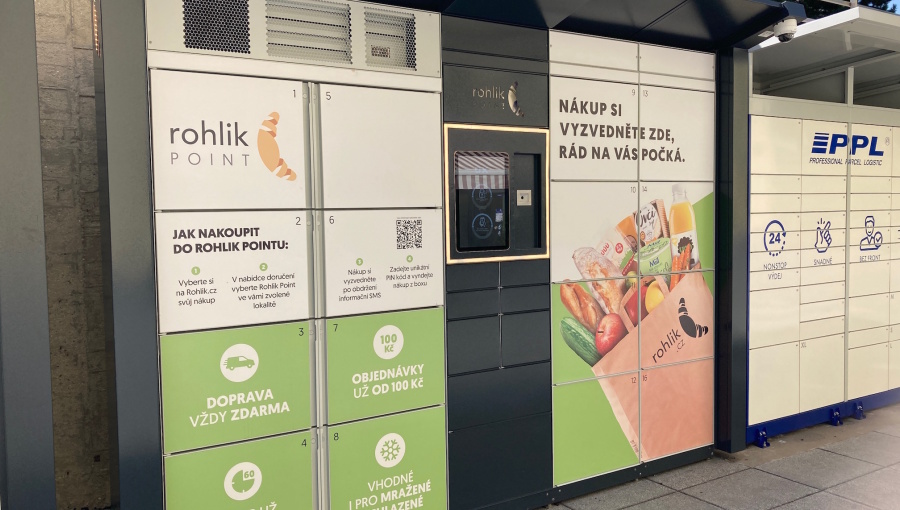
Czech e-commerce is not small or unsophisticated. Companies like Alza, Notino, Mall.cz, and Rohlik (Rohlik Group expanding as Knuspr in Germany and Gurkerl in Austria) have proven that Czech digital retail can scale regionally and internationally. The operational capability exists. Logistics networks are strong. Pricing is often competitive.
Yet when smaller or mid-sized Czech e-commerce brands attempt to compete directly in the UK or broader EU English-speaking segments, they frequently underperform.
Not because of product quality. Because of English positioning.
UK and international EU buyers do not evaluate product pages the way Czech customers do. They expect different tone, different legal clarity, different trust signals, and different conversion mechanics. Literal translation of Czech product descriptions into English rarely survives in highly competitive markets like Amazon UK, Shopify-powered DTC brands, or pan-European marketplaces.
To compete, Czech brands must rethink—not just translate—their English content.
Product Descriptions Must Shift From Technical to Persuasive
Czech product pages often lean toward factual clarity and specification-driven structure. That works well domestically. But in the UK market, especially in consumer categories like cosmetics, electronics accessories, home goods, and supplements, persuasive framing is dominant.
Take Notino as a reference. Its UK-facing English product pages are not simple translations of Czech descriptions. They emphasize:
- Benefits first
- Lifestyle positioning
- Clear value differentiation
- Social proof
- Review integration
If a Czech cosmetics brand enters the UK market with English copy that simply lists ingredients and technical details, it competes poorly against brands that sell transformation, convenience, or prestige.
English e-commerce copy in the UK is conversion-driven, not specification-driven.
Legal Compliance Language Must Match UK Standards
After Brexit, UK consumer protection frameworks diverged from EU processes in subtle but important ways. While many protections overlap, UK buyers expect clarity around:
- Returns and refund policies
- Consumer rights under UK law
- VAT clarity
- Delivery timelines
- Data protection disclosures
If a Czech brand translates its Czech return policy into English without aligning it to UK consumer expectations, it creates friction.
For example, UK consumers are accustomed to clearly stated refund windows and cancellation rights in plain English. Vague phrasing such as “return possible upon agreement” feels legally unstable to UK buyers. In e-commerce, legal clarity builds conversion trust.
Marketplace Competition Is Brutal — English Tone Matters
On Amazon UK, eBay UK, and other major platforms, Czech sellers compete directly against domestic UK sellers, US brands, and increasingly Asian manufacturers with highly optimized English listings.
If a Czech listing contains slightly unnatural phrasing or inconsistent capitalization, buyers notice subconsciously. Even small tone differences reduce perceived professionalism.
For example, compare:
“This product is suitable for everyday usage and brings comfort to your life.”
Versus:
“Designed for everyday comfort with durable, long-lasting materials.”
The first reads like translation. The second reads native. In crowded marketplaces, subtle tone differences affect click-through and conversion rates measurably.
Real Example: Rohlik’s Expansion Strategy
Rohlik Group, originally Czech, expanded into Germany and Austria under localized brands (Knuspr and Gurkerl). While not UK-focused, the approach demonstrates a critical lesson: the company did not rely on direct translation of Czech messaging. It localized branding, tone, and communication for each market.
The lesson is strategic. Even within the EU, consumer tone expectations vary. English-speaking markets are no exception. Direct translation rarely matches local buying psychology.
SEO Expectations Differ Across Markets
Czech keyword strategy often reflects local search patterns. UK English search behavior differs significantly in phrasing and intent.
For example:
A Czech electronics seller may optimize for “wireless headphones with microphone.”
UK consumers may search for “Bluetooth noise-cancelling headphones for calls.”
Keyword nuance changes conversion alignment.
Without UK-focused English SEO research, Czech brands may attract traffic but miss intent-matching keywords that drive sales.
Localization must include search behavior analysis—not just linguistic conversion.
Brand Confidence and Authority Signals
UK e-commerce buyers respond strongly to trust signals, including:
- Clear customer service contact details
- Localized shipping information
- Recognizable payment methods
- Professional product imagery with native copy
- Structured FAQs
If English content lacks confidence or clarity, UK consumers may assume customer service friction. Trust is not built through translation. It is built through alignment with market expectations.
Pricing Presentation and Transparency
UK and EU buyers compare prices across multiple retailers quickly. English product pages must clearly present:
- VAT inclusion or exclusion
- Shipping cost transparency
- Delivery timeframe clarity
If pricing structure feels ambiguous in English, buyers abandon carts. Czech domestic formatting norms do not always match UK e-commerce presentation standards. Even subtle differences in how pricing tiers or bundles are explained affect purchase decisions.
Conclusion: Competing in English Requires Repositioning, Not Translation
Czech e-commerce brands entering UK and EU English-speaking markets face intense competition. Product quality alone is not enough. English content must be:
- Persuasive rather than purely technical
- Legally aligned with UK consumer standards
- SEO-optimized for English search behavior
- Structurally formatted for marketplace expectations
- Tonally native rather than translated
Companies like Notino and Rohlik demonstrate that successful international expansion requires full localization strategy, not surface-level translation. If your English content feels like a mirror of your Czech website, it is likely underperforming. To compete effectively, you must rebuild your English customer experience—not just convert it. Because in e-commerce, language is conversion architecture.
FAQs
- Is translation enough for UK e-commerce expansion?
No. Messaging, tone, and legal alignment must be adapted. - Why does tone matter so much in product pages?
Because subtle phrasing differences influence perceived professionalism and trust. - Do UK consumer laws require specific English wording?
Yes. Clear refund and cancellation policies are expected. - How important is English SEO research?
Critical. Search phrasing differs significantly from Czech-language markets. - What’s the first step for Czech brands?
Audit English product pages for tone, clarity, and UK legal alignment.