

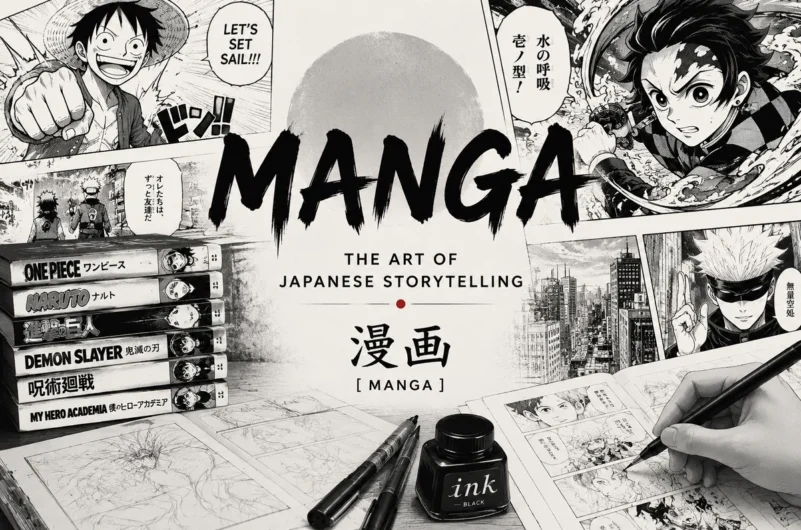
Understanding the reader’s experience in manga translation isn’t just a linguistic exercise; it’s a publishing decision that shapes how long a reader stays with your series and whether they buy the next volume. For US publishers juggling tight print deadlines and digital releases, the real question is how to keep translations culturally rich without losing pace, humor, or visual clarity. That’s where a clear, reader‑focused comic and manga translation strategy becomes a commercial advantage, not a nice‑to‑have.
1. Cultural context that feels intuitive, not over-explained
The most effective manga localization services avoid both extremes: flattening every reference into something generic, or drowning the page in translator’s notes. Instead, they make judgment calls scene by scene, deciding when to localise a joke and when to keep a Japanese term and trust context. A good team treats food references, school hierarchies, and honorifics as part of the storytelling, not clutter, so readers stay immersed rather than feeling they’re reading a glossary.
2. Language style that preserves character voice
Readers notice instantly when every character sounds the same. Maintaining distinct speech patterns is central to culturally nuanced manga translation, especially in long‑running series where fans track tiny changes in tone. Translators and editors often maintain a character bible that records verbal tics, levels of formality, and swearing thresholds. That discipline is what keeps a gruff mentor, a deadpan rival, and a chaotic sidekick sounding consistent across volumes, spin‑offs, and even cross-media manga and anime localization projects.
3. Respecting the visual page, not fighting it
Page layout is non‑negotiable in manga: crowding balloons with wordy dialogue or clumsy font choices can derail the emotional beat of a panel. Experienced teams plan professional manga localization workflows around space constraints, testing line lengths against the artwork before finalizing scripts. Localizing comic sound effects is especially tricky; some publishers retouch the art, others overlay translations or use side notes. The right approach depends on schedule, budget, and how much art manipulation your production pipeline can realistically support.
4. Translation choices that keep readers turning pages
Fluent, unobtrusive dialogue is what keeps binge readers on your platform or buying the next omnibus. Awkward literal phrasing or inconsistent terminology pulls them out of the story and invites social media criticism. Japanese Manga Translation should prioritize flow over one‑to‑one wording, especially in rapid‑fire banter or high‑tension fights. Teams that borrow from anime dialogue translation best practices often trim redundancy, re‑time punchlines, and adapt slang so it reads naturally while still feeling anchored to the original setting.
5. Consistency across volumes, formats, and spin-offs
Readers who follow a title from digital simulpub to print editions expect names, attacks, and place terms to line up. That’s harder than it sounds once marketing, licensors, and multiple translators get involved. Solid style guides, shared term bases, and documented comic book translation tips reduce the risk of rebranding a signature move three volumes in. When anime translation techniques and manga scripts share the same reference sources, franchises feel cohesive, and fans are less likely to accuse publishers of “rewriting” their favorite series.
- Define early rules for honorifics, food terms, and school titles and apply them consistently.
- Maintain a shared glossary across translators, letterers, and editors from volume one.
- Stress‑test dialogue against actual balloon space before locking your script.
- Align manga choices with character voice in anime subtitles when a show is greenlit.
- Schedule time for a dedicated pass focused only on tone, jokes, and emotional beats.
If you’re planning a new series rollout or re‑issuing a backlist title, tightening your reader‑focused comic localization approach can directly impact reviews, retention, and licensing potential. Our team specializes in end‑to‑end support, from script adaptation to lettering and QA, so you don’t carry that complexity alone. If you’d like a practical assessment of your current titles or a quote for an upcoming launch, book a consultation with our specialists and see what a focused, reader‑first approach can do for your next release.