

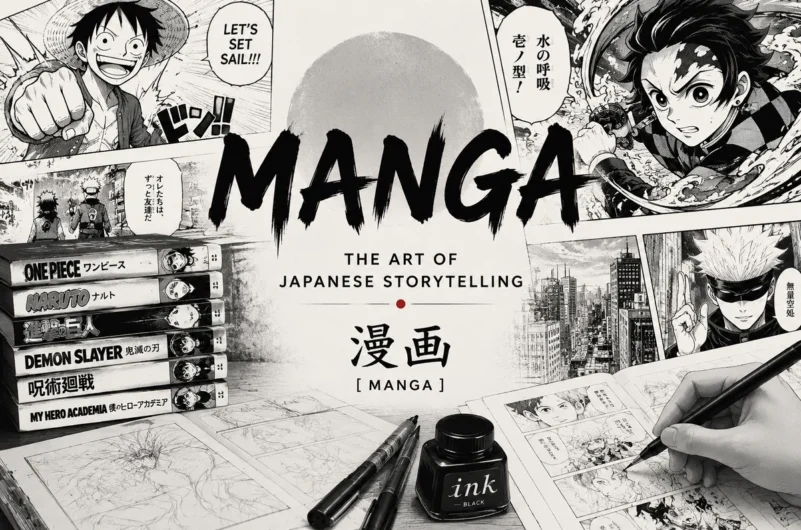
Understanding manga terminology is essential for any translator working between Japanese and English. It affects not just word choice, but layout, timing, and how readers experience a story. Terms like manga, panel, gutter, speech bubble (fukidashi), sound effects (onomatopoeia), tankōbon, yon-koma, mangaka, anthology magazine, and names (rough drafts) describe concrete production elements that directly shape translation decisions. Recognizing how these elements interact helps translators preserve nuance while adapting content for different readerships, including those already familiar with Japanese pop culture.
Why a manga and anime terminology guide matters for translators
Translators often move between genres such as shōnen, shōjo, seinen, and josei, each with distinct audiences, pacing, and visual conventions. A structured manga and anime terminology guide supports consistent decisions on tone, register, and layout responses. When a translator understands how gutters influence page rhythm or how yon-koma timing works, they can judge whether humor or emotional beats will survive in the target language. This is particularly critical when deadlines are tight and editors expect clear rationales for localisation choices.
From panels to tankōbon: key concepts that shape the work
Layouts heavily influence Japanese Manga Translation choices. A dense action page may require concise phrasing to avoid obscuring art, while a spacious emotional scene can carry slightly longer lines without crowding the balloons. When chapters are later compiled into tankōbon, spacing and margin adjustments may force last-minute text edits. Translators who understand names (rough drafts) can flag problematic puns or cultural references early, giving letterers and editors time to adjust. This workflow awareness separates rushed rewrites from controlled, professional manga localization workflows that hold up in print.
Translators who treat layout, sound, and genre signals as part of the language—rather than as decoration—produce adaptations that feel natural to readers in any market.
Handling sound effects demands more than a simple glossary. Adapting Japanese onomatopoeia requires understanding both the literal sound and the emotional tone it conveys. A quiet rustle, a comedic thump, and a horror-style creak all call for different English solutions, sometimes lettered over the original art, sometimes subtitled nearby. Good manga localization services define style rules for when to replace, overlay, or leave SFX untouched, and those decisions need to be consistent across volumes so repeat readers know what to expect.
Dialogue, character voice, and cultural nuance
Genres influence how speech bubbles are filled and read. In shōnen works, dialogue might lean on direct, energetic phrasing, while josei titles can rely more on subtext layered across panel sequences. Preserving character voice in manga translation often means resisting the urge to “smooth out” quirks that appear odd in English, instead finding stable equivalents that track over many chapters. Skilled teams also apply anime translation techniques when series have both print and screen adaptations, keeping key catchphrases and honorific strategies aligned across media without forcing identical wording.
Cultural references and comedy introduce extra complexity. Localizing visual gags in comics may involve reworking signage, background text, or handwritten notes that carry plot or punchline information. Some jokes survive with a concise rewrite; others need a short translation note in the margin rather than intrusive exposition in the balloon. Specialists familiar with best practices for comic localization choose sparingly when to explain and when to trust the art. Similar judgment applies to comic book translation tips learned from Western titles, which can sometimes help but shouldn’t override Japanese reading conventions.
Balancing fidelity, readability, and workflow reality
Production constraints inevitably shape outcomes. Schedules for anthology magazine chapters are often aggressive, leaving limited room for extensive re-lettering or multiple review cycles. Multi-volume series introduce continuity pressures, especially when staff change between volumes. Teams that treat style guides as living documents and combine them with clear comic book translation tips can keep terminology, catchphrases, and name spellings aligned despite these shifts. Where anime adaptations exist, specialists in culturally accurate anime subtitles and advanced anime script translation can collaborate with print teams so major terms feel coordinated rather than conflicting.
If you’re evaluating vendors or building an internal team, focus on how they document terminology, handle SFX strategies, and justify choices about notes versus silent adaptation. Ask for concrete examples of previous manga and anime terminology guide usage rather than generic promises. Solid providers will show how they protect pacing, humor, and tone while still meeting deadlines and print constraints. To explore structured approaches, compare how different studios describe their Japanese Manga Translation process and the trade-offs they’re willing to accept to keep the reading experience intact.
For readers and publishers alike, mastering this vocabulary isn’t about jargon for its own sake; it’s a way to make translation decisions transparent and defensible. When everyone on the project can discuss panels, gutters, yon-koma timing, and genre expectations precisely, it becomes easier to diagnose problems and refine drafts. If you’d like to deepen your understanding of how these choices affect your own projects, start by mapping one chapter from script to final pages and noting where terminology knowledge changed your decisions—that kind of hands-on review is the most effective teacher.