

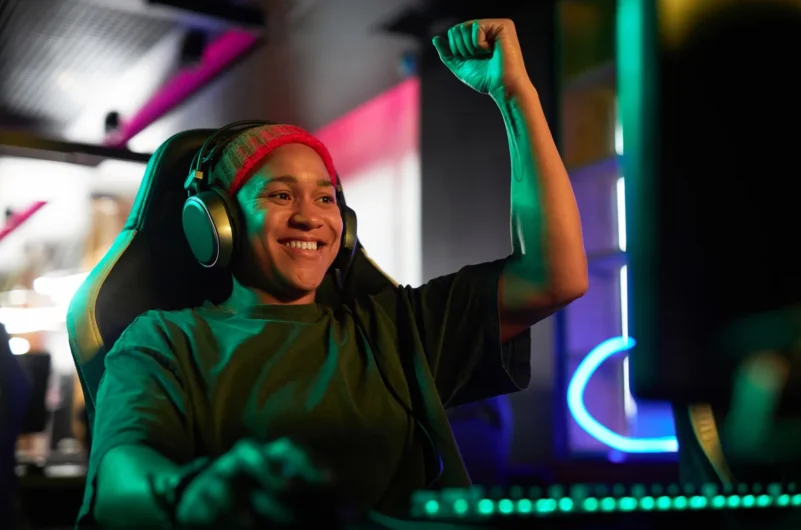
The Importance of Localization in Esports Titles isn’t just a linguistic concern; it’s a competitive operations issue. For publishers, tournament organisers, and teams, poor wording in a tooltip or rulebook can distort strategy, cause disputes, and erode trust with players and viewers. As esports grows across North America, Europe, and Asia, localisation quality has become a quiet but decisive factor in how stable and professional a title’s competitive ecosystem feels.
The role of localization in competitive integrity
In modern esports, video game localization covers everything from champion abilities and item stats to UI strings, tutorials, and client messaging. When terms for crowd control, damage types, or economy mechanics differ between regions, it becomes harder to compare strategies or coach across borders. Serious publishers now treat terminology like they treat balance: governed, tracked, and audited, especially in titles with shared global servers and cross-region scrims.
From translation to operational discipline
High-performing teams rely on consistent patch notes, ban lists, and competitive rulings, which means simple translation isn’t enough. Gaming Translation must stay aligned with design documentation, internal balance discussions, and tournament operations calendars. In practice, that involves shared glossaries, locked terminology for key mechanics, and release checklists that include client, website, and ruleset updates before a patch goes live in any tournament region.
When localization is treated as a last-minute text task, you don’t just get awkward wording—you get contested rulings, mismatched overlays, and players insisting they prepared for a different game than the one they’re now forced to play on stage.
For live events, real-time localization for live esports creates another layer of complexity. On-site producers, referees, and casters often work from slightly different builds or script versions, so any wording drift can surface immediately on broadcast. This is where esports broadcast and UI localization must align: champion names, objectives, timers, and penalty language all need to match the in-client experience spectators see on stream or in the arena.
Key challenges unique to esports titles
Unlike single-player titles, localization for esports audiences runs on tight, recurring cycles tied to balance patches and seasonal resets. There’s rarely time for lengthy back-and-forth reviews when a hotfix must go live globally within hours. Teams managing region-specific esports localization often maintain “red flag” lists of strings that can’t change mid-split, such as ranked tier names or competitive queue labels, to avoid destabilising player expectations.
Terminology around macro concepts also needs care when adapting competitive gaming terminology. Phrases like “split push,” “default,” or “eco round” may already have entrenched equivalents within local communities. Forcing a new coined term from a translator’s desk can alienate veteran players and casters. Good localisation teams listen to how local analysts speak on broadcast and align terms, rather than insisting on theoretical linguistic neatness.
Names and flavour content create separate risks. Localizing team and player names might be unnecessary or even harmful when those names are part of a global brand, while translating game narratives or voice lines too literally can unintentionally trivialise key characters or lore that fans care about. Where possible, publishers run contentious changes through regional esports staff, not just marketing, to understand how they’ll land with competitive fans.
Beyond the client, organisers face the challenge of producing localized tournament and league content across social channels, microsites, and rulebooks. When only part of that material is updated, viewers might see one prize pool amount on a graphic and another in the written regulations. The same applies to culturally relevant in-game events that tie into esports promotions; if the timing or rewards are miscommunicated, players will quickly call out inconsistencies on public forums.
For content teams, managing multilingual gaming content around a major event is rarely clean. Different regions may have separate sign-off chains, legal checks, or sponsorship integrations, which can compress timelines and reduce room for quality checks. A central localisation partner can help, but only if they’re embedded early in campaign planning rather than receiving compressed text dumps the night before groups or playoffs begin.
Teams scoping partners for video game localization should ask detailed process questions. How is terminology governed across patches and seasons? What’s the escalation path when a critical line in the competitive rulebook is disputed? How do they support region-specific esports localization when a local regulator objects to certain visuals or wording? You want answers grounded in real operations: examples of failed strings, last-minute changes, and how issues were corrected rather than avoided in theory.
Another area worth probing is support for live shows, such as real-time localization for live esports when desk segments change on the fly or emergency rulings must be communicated. Vendors that insist everything be locked a week out typically don’t understand how broadcasts actually run. Look for partners comfortable with partial automation, human spot checks, and direct communication with producers and observers.
Finally, consider your long-term content footprint, not just the flagship league. Localised guides, patch explainers, and grassroots tournament comms all influence how players perceive your competitive ecosystem. If you’re planning broader localization for esports audiences or experimenting with region-specific esports localization pilots, it’s worth speaking with specialists who’ve handled similar ecosystems and can share practical lessons from past seasons, playoffs, and off-season events.
If you’d like a deeper, more operational view of how structured terminology, coordinated broadcast workflows, and disciplined Gaming Translation can stabilise your title’s competitive environment, consider setting up a session with a localisation specialist to review your current pipelines and identify the riskiest gaps before your next season kicks off.