

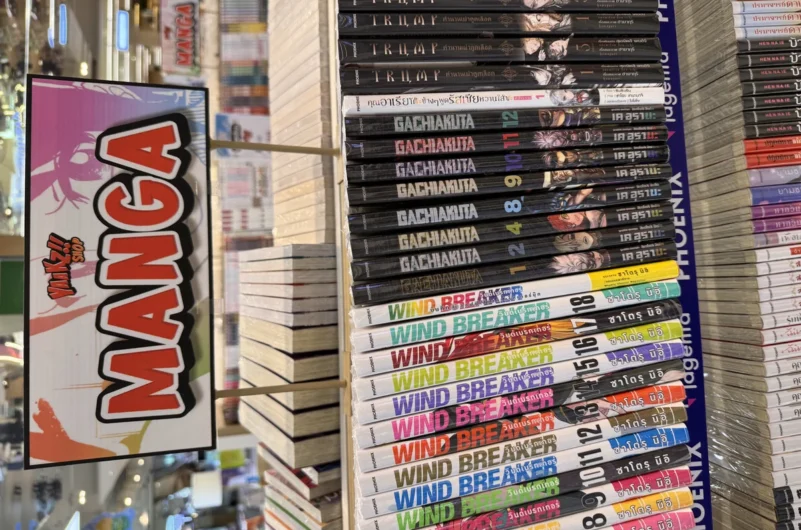
The future of comic book translation is quietly becoming a high-stakes problem for publishers planning global growth by 2026. As digital releases tighten schedules and readers in North America, Europe, and Southeast Asia compare editions in real time, once-tolerated issues like clumsy dialogue or late volumes now erode trust quickly. Japanese Manga Translation sits at the center of this shift, setting expectations for accuracy, speed, and cultural nuance that other segments can’t ignore.
The turning point: when “good enough” starts losing readers
Many comic publishers still treat translation as a bolt-on task handled after licensing, scheduling, and marketing decisions are locked. That worked when overseas print runs were small and fan chatter stayed on niche forums. Now readers dissect panels on Reddit and X within hours of release, and any awkward line, missing honorific, or broken speech balloon becomes a screenshot. The gap between fan scanlations and official editions often exposes how under-resourced some pipelines really are.
What manga workflows are revealing about systemic risk
Manga has normalised near-simultaneous global releases, which means translation, editing, and lettering often run on TV-style weekly or fortnightly cycles. Under that pressure, stretched editorial teams rely on email chains, unsynced glossaries, and last-minute Photoshop fixes. That’s where subtle problems creep in: character voice in manga translation drifts between volumes, series bibles live in personal folders, and no one has time to check whether jokes still land after layout tweaks. The result isn’t just inconsistency; it’s reputational damage that accumulates over years.
Some publishers invest in manga localization services, but even then the workflows can be fragmented. Translators work from flattened PDFs, letterers retype lines manually, and small edits cascade into balloon overflows and cropped art. An advanced anime translation workflow can’t function if basic file management and shared terminology aren’t in place. The structural weakness isn’t translation quality alone; it’s the lack of a predictable, quality-focused manga translation process that survives tight deadlines and staff turnover.
Warning signs your translation pipeline isn’t ready for 2026
Several recurring red flags suggest a localization strategy that’s not future-proof. Turnaround times increase each season despite adding more freelancers. Editors quietly rewrite jokes because anime translation techniques weren’t adapted for panel pacing. Style guides are outdated or inaccessible, so names, speech tics, and register shift between volumes. Letterers patch text into bubbles without visibility into intent, undermining visual storytelling in comic translation and leaving line breaks in strange places.
Reader-facing consequences that are easy to underestimate
Fans might tolerate a typo, but they notice patterns. When sound effects are inconsistently handled, discussions about manga SFX and lettering localization quickly spiral into criticism of editorial standards. Articles and threads share comic book translation tips that compare fan efforts with official releases, often unfavorably. Misjudged edits to sensitive themes or jokes can spark backlash in multilingual markets that legal and PR teams aren’t prepared to respond to. Once a series gains a reputation for clumsy handling, that stigma shadows every new volume.
From production task to strategic capability
The quiet reality is that professional manga localization is drifting closer to serialized TV subtitling in speed, scrutiny, and fan literacy. Teams that rely on one senior translator’s memory of “how this cast speaks” are exposed whenever that person’s bandwidth drops. Ignoring best practices for comic localization means opportunities like simulpubs, regional bonus chapters, or experimental formats get shelved as “too risky.” For some rights holders, culturally accurate anime dialogue is no longer a nice-to-have; it’s the difference between building a global franchise and watching discourse be dominated by fan editions.
Publishers who treat Japanese Manga Translation as a strategic asset rather than an afterthought are better placed to manage risk, control narrative, and support creators’ intent across markets. If any of the warning signs above sound familiar, now’s the moment to audit your workflow, talk with specialists who understand both art and operations, and map out a more resilient approach before the next big license exposes every weakness at once.