

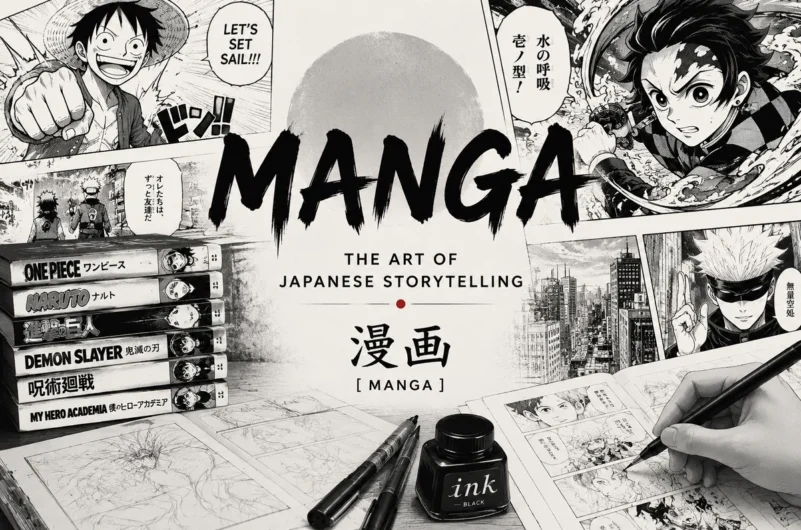
The evolution of manga localization is now being shaped as much by technology as by editorial taste. For US readers, the core question isn’t whether manga will arrive in English, but which mix of human expertise, automation, and platform strategy delivers the most readable and commercially viable result. Digital platforms, AI-driven draft translation, piracy pressure, and ongoing debates around honorifics and censorship all feed into how publishers design their manga localization services and choose what to prioritise.
The evolution of manga localization in the streaming era
Digital-first distribution has changed timelines and expectations. Crunchyroll, Viz Media, and Kodansha’s digital services push for near-simultaneous English releases, which places real strain on production schedules and forces teams to refine professional manga localization workflows. US readers now expect volume drops to line up with seasonal anime premieres, so editorial choices are often made under tight deadlines, with less room for prolonged debates over every translation nuance.
How AI translation fits into real manga pipelines
AI translation tools are increasingly used for rough drafts and terminology checks, but they’re not driving final scripts. In practice, teams may run a chapter through machine translation, then have a human translator rebuild dialogue, adjust pacing, and rework jokes. This can speed up early stages, yet AI still struggles with character voice, visual storytelling in comic localization, and context-heavy references. For series with dense worldbuilding or dialect, relying too heavily on automation usually backfires during editorial review and reader reception.
Managing honorifics, censorship, and cultural nuance
The most contentious decisions now tend to revolve around honorifics, jokes tied to Japanese school life, and scenes flagged for content edits by US retailers or rating bodies. Some teams lean into culturally nuanced manga adaptation, preserving Japanese terms with light-touch glosses; others opt to simplify for broader bookstore audiences. There’s no single correct approach. Instead, publishers weigh brand positioning, target age band, retailer expectations, and how much friction they’re willing to accept from vocal fans who track every change via piracy and scanlation comparisons.
- Use editorial style bibles so character-driven manga translation choices stay consistent across long series.
- Align manga localization services with anime translation techniques when a title has a major simulcast.
- Document comic book translation tips for onomatopoeia, signage, and UI layouts in digital readers.
- Treat Japanese Manga Translation and comic localization for international readers as a combined strategy, not separate silos.
- Test global-ready comic book scripts with small fan focus groups before locking in controversial choices.
US market data from 2024–2025 shows manga still expanding, but growth is uneven across genres and age categories, so anime and manga translation best practices now focus on targeting specific readerships rather than chasing everyone at once. For some shonen hits, advanced anime dialogue translation and matching catchphrases across media matter more than absolute linguistic purity. For quieter drama, preserving subtext becomes the priority. Publishers evaluating vendors ask about staffing levels, reviewer cycles, and who signs off when marketing wants cuts that clash with creator intent. If you’re weighing different approaches or suppliers, it’s worth speaking with a specialist who’s handled both blockbuster series and niche titles to compare options, stress-test timelines, and build a realistic plan before greenlighting your next round of localization.