

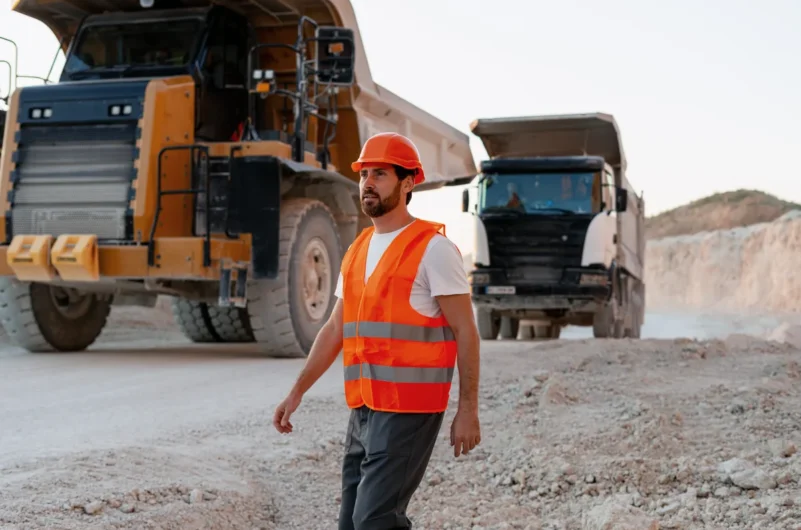
Technical Engineering Translation for Mining: Ensuring Precision
Technical Engineering Translation for Mining: Ensuring Precision isn’t a niche concern; it’s a control point that quietly shapes risk across underground and open-pit operations. Within the first hundred metres of a new drive, a mistranslated geotechnical note or ventilation requirement can narrow the safety margin without anyone realising. Regulators such as MSHA and WorkSafe authorities routinely cite communication breakdowns as contributing factors in incidents, yet the translation chain behind engineering documents rarely receives the same scrutiny as design calculations or ground control plans.
Where mining industry terminology quietly falls apart
Even in well-run sites, mining industry terminology often drifts when engineers and linguists work from different assumptions. Drawings, method statements and OEM maintenance manuals for haul trucks, conveyors and fans depend on exact wording that isn’t intuitive to generalist translators. In practice, “rock mass rating” becomes a vague “rock quality”, “as-builts” are mistaken for preliminary designs, or torque specifications are rounded to look cleaner on the page. Each choice seems harmless in isolation, but together they distort intent and complicate later investigations and audits.
How problems creep in across multilingual mine sites
On global operations stretching from Peru to Indonesia, Mining Translation is often handled by bilingual supervisors or office staff with limited engineering training. Under time pressure, they patch together SOPs, permits and contractor instructions from mixed sources, sometimes with free online tools. This patchwork approach struggles with accurate terminology in mining texts, particularly around geotechnical controls, ventilation modelling and explosives handling. By the time a frontline crew sees the final document, the language may no longer match the risk level the original engineer assumed.
Warning signs rarely appear as dramatic translation “fails”. Instead, you’ll see shift reports using three different names for the same raise bore, or contractors turning up with PPE aligned to the wrong national standard. Pre-start meetings expand as supervisors re-explain unclear instructions or quietly override written steps to match how the job’s actually done. When crews keep their own shadow notes in another language because official documents feel unreliable, the technical engineering language support structure is already under strain.
The operational and safety cost of fuzzy wording
The most visible impacts are downtime and rework rather than headline disasters. A slightly muddled translation for mining safety manuals may still “work” most days, but it shortens the buffer for error when crews are fatigued or unfamiliar with a piece of gear. Misread ground support schedules can lead to systematic over-bolting in low-risk drives and under-support in stressed headings, skewing both capex and exposure. Similar issues occur when geological and drilling report translation obscures key qualifiers that originally informed design decisions.
Why ad-hoc fixes don’t scale
Many operators treat language problems as something supervisors can tidy up on the fly. That might work for a single Portuguese-speaking contractor; it collapses once you’re juggling multilingual mining compliance documents, overseas OEMs and rotating crews. Bilingual mining documentation experts are rare on site, so improvised edits often go unrecorded, leaving safety and maintenance systems out of sync. Over time, this erodes trust in official documents and can trigger findings from insurers or regulators who now look closely at language solutions for mining.
Bringing specialist support in before something breaks
The tipping point usually arrives long before a major incident. If your operation runs in more than one working language or depends on foreign-sourced equipment, relying on improvised technical translation services is already a material risk. Periodic audits of SOPs, isolation procedures and change notices by specialist mining translators can reveal patterns that internal teams are too close to see. In higher-risk domains, targeted language support for global mine sites often proves cheaper than the cumulative cost of rework, near-misses and contested root-cause findings.
For many operators, the immediate step isn’t a full overhaul but a focused review of documents that carry the highest downside if misunderstood. That includes lockout-tagout instructions, ground support designs and OEM manuals tied to warranty or compliance. If any of this sounds uncomfortably familiar, it’s worth speaking with technical engineering language support specialists to map where your documentation is drifting off-spec. Take a structured look at your current Mining Translation exposure now, before a minor inconsistency becomes a serious safety or operational event.