

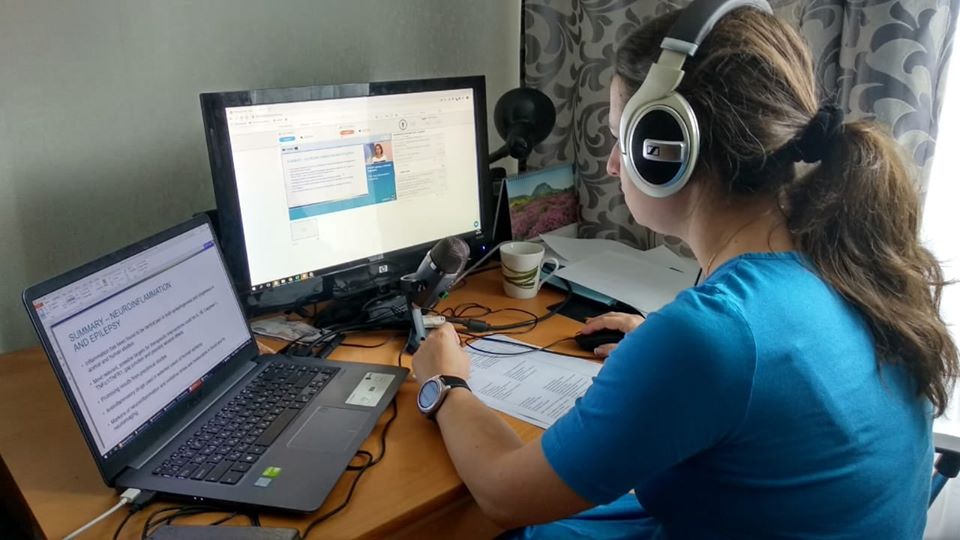
International business negotiations move fast. A pricing point is raised, a counteroffer follows, legal language enters the discussion, and suddenly everyone needs to understand not just the words, but the intention behind them. When Russian and English-speaking teams are at the table, simultaneous interpretation can make the difference between progress and confusion. It allows participants to speak naturally while interpreters transfer meaning in real time, helping both sides stay engaged without long pauses.
But here is the challenge: negotiations are not ordinary conversations. They involve timing, tone, leverage, technical terms, cultural expectations, and sometimes millions in potential value. A phrase that sounds harmless in one language may feel too aggressive in another. A vague interpretation of a contractual point may create risk later. For businesses working across Russian and English markets, professional simultaneous interpretation is not just a convenience. It is a strategic tool for clarity, trust, and better decision-making.
What Simultaneous Interpretation Means in Business Settings
Simultaneous interpretation happens when an interpreter listens to a speaker and renders the message into another language almost at the same time. Unlike consecutive interpretation, where speakers pause after each segment, simultaneous interpretation keeps the conversation flowing.
In business negotiations, this flow matters. Executives, legal teams, investors, and suppliers often need momentum. Long pauses can break concentration or weaken the natural rhythm of discussion. Simultaneous interpretation helps participants follow the conversation as it happens, respond faster, and stay emotionally present.
For Russian-English negotiations, this can be especially useful in board meetings, merger discussions, supplier negotiations, trade talks, investment presentations, and contract reviews. The interpreter becomes a live communication bridge, carrying meaning across languages while the negotiation continues moving.
Why Precision Can Change Negotiation Outcomes
Negotiations are built on details. Price, timelines, warranties, penalties, obligations, delivery conditions, confidentiality clauses, and payment terms all depend on precise language. If interpretation softens, exaggerates, or misplaces meaning, the business outcome can change.
For example, “we may consider exclusivity” is not the same as “we will grant exclusivity.” “Subject to internal approval” is not the same as “approved.” In Russian, business language may use indirect phrasing or formal wording that needs careful handling in English. In English, commercial terms may carry legal implications that should not be paraphrased loosely into Russian.
Precision protects both sides. It reduces the chance of false expectations, prevents accidental concessions, and helps teams confirm what has actually been agreed. In high-stakes negotiations, clear interpretation is like a clean signal in a noisy room. Without it, even smart teams can misread each other.
The Role of Tone, Intent, and Cultural Context
A good interpreter does not simply swap words between Russian and English. The interpreter carries tone, intent, and cultural meaning. This is important because negotiation language often sits between direct speech and diplomacy.
Russian business communication can sometimes appear formal, firm, or reserved to English-speaking teams. English business communication may sound overly casual or indirect to Russian-speaking participants. Neither style is automatically wrong, but interpretation must help both sides understand the intended meaning.
Consider a Russian executive who responds with a short, firm statement. A weak interpretation may make the response sound hostile, even if the intent is simply professional caution. Likewise, an English-speaking negotiator might use phrases like “let’s circle back” or “that could be challenging,” which may need clearer rendering so Russian counterparts understand whether the issue is delayed, rejected, or still open.
Why Industry Knowledge Matters
Business negotiations often include specialized terminology. A negotiation in energy, healthcare, finance, software, logistics, manufacturing, or legal services will use different language. An interpreter without industry familiarity may understand the general sentence but miss the commercial meaning.
In Russian-English negotiations, industry knowledge is especially important when discussing specifications, compliance requirements, service levels, intellectual property, data security, or financial obligations. A mistranslated technical phrase can create confusion during the meeting and disagreement after the contract is drafted.
For example, in software negotiations, terms like uptime, data residency, API access, licensing model, and service credits need consistent interpretation. In manufacturing, terms like tolerance, lead time, defect rate, and warranty scope matter. The interpreter must be prepared before the meeting, ideally with glossaries, agendas, contracts, slide decks, and background materials.
Preparation Is the Hidden Key to Better Interpretation
Simultaneous interpretation may look effortless when done well, but it depends heavily on preparation. Interpreters need to understand who will attend, what topics will be covered, what terminology is expected, and what outcomes the meeting is trying to reach.
Businesses can improve interpretation quality by sharing materials in advance. These may include product descriptions, previous agreements, company profiles, speaker names, acronyms, pricing models, and contract drafts. This allows interpreters to prepare terminology and avoid hesitation during live discussion.
Preparation also helps with names and numbers. Research on simultaneous interpretation has highlighted that proper names, numbers, and specialized terms can be especially challenging in real-time settings. In negotiations, those are often the exact details that matter most. A wrong figure, missed deadline, or confused company name can cause immediate friction.
How Interpretation Supports Trust Between Negotiating Parties
Trust is one of the quiet currencies of business negotiation. Teams may not say it directly, but they are constantly asking: Can this partner be relied on? Are they listening? Are they hiding something? Do they understand the deal?
Poor interpretation can damage trust even when both sides have good intentions. If answers sound evasive, delayed, inconsistent, or strangely worded, the other side may assume there is a problem. Professional simultaneous interpretation helps prevent this by keeping communication smooth and accurate.
It also creates a more equal meeting environment. When both Russian and English-speaking participants can follow the discussion in real time, they can contribute more confidently. No one is left waiting for a summary. No one has to rely on partial understanding. That balance can improve collaboration and reduce tension.
Common Risks in Russian-English Business Interpretation
Several risks appear often in Russian-English negotiations. One is over-summarizing. In an effort to keep pace, an interpreter may compress long statements too aggressively, leaving out conditions or nuances. Another risk is literal interpretation, where words are translated correctly but the business meaning feels unnatural or misleading.
Numbers are another danger zone. Prices, percentages, timelines, quantities, and penalties must be handled with extreme care. Even a small error can change the commercial meaning of an offer. Legal language is also sensitive. Words like shall, may, liable, exclusive, binding, and termination can carry consequences.
The best approach is to use professional interpreters who understand both the language pair and the negotiation environment. Bilingual staff may help with casual conversations, but high-stakes negotiations need trained specialists.
Conclusion
Simultaneous interpretation gives international business negotiations the speed and clarity needed to move across languages without losing momentum. For Russian and English-speaking teams, it helps protect meaning, tone, numbers, legal terms, and commercial intent. That precision can influence whether both sides feel confident enough to continue, compromise, or close a deal.
Strong interpretation is not just about language ability. It requires preparation, subject-matter knowledge, cultural awareness, and the discipline to interpret meaning accurately under pressure. Businesses that treat interpretation as a strategic part of negotiation are better positioned to avoid misunderstandings, protect relationships, and make decisions based on what was actually said. In global negotiations, every word carries weight. When the stakes are high, the interpreter’s precision can quietly shape the outcome of the entire discussion.
FAQs
- What is simultaneous interpretation in business negotiations?
It is real-time spoken language interpretation that allows participants to listen and respond as the meeting continues, without long pauses between speakers.
- Why is Russian-English interpretation difficult in negotiations?
Russian and English differ in structure, tone, business phrasing, and legal terminology. Interpreters must preserve meaning while working in real time.
- Should companies use bilingual employees as interpreters?
Bilingual employees can help with informal conversations, but high-stakes negotiations need trained interpreters with business and industry knowledge.