

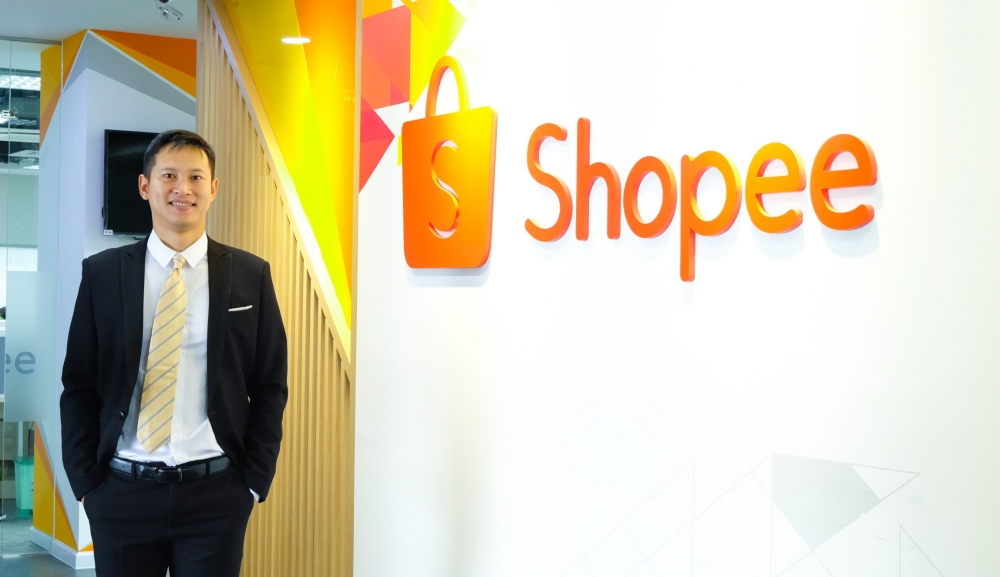
Trust is fragile online—especially when users are buying from a country they don’t fully understand. Shopee Vietnam learned this fast when expanding its English-facing platform. The company didn’t just translate Vietnamese content into English; it rethought how international users feel while navigating the site. And that made all the difference.
Many Vietnamese businesses assume Vietnamese to English translation is enough for global users. Shopee’s experience proves otherwise. English UX isn’t about perfect grammar—it’s about clarity, predictability, and cultural comfort. Small wording choices can signal professionalism… or raise red flags.
- Replacing Formal Vietnamese Tone With Neutral English UX Copy
Vietnamese UI text often sounds polite, formal, and explanatory. In English UX, that tone feels heavy. Shopee localized its English copy to sound neutral and concise—cutting filler words and simplifying instructions.
English users don’t want reassurance; they want speed. By trimming explanations and focusing on action-based phrasing, Shopee reduced friction and increased confidence.
- Simplifying Call-to-Action Language
Vietnamese CTAs often explain why before what. English UX does the opposite. Shopee adjusted CTAs to short, direct actions like “View Order,” “Track Package,” or “Confirm Payment.”
This change seems small—but clarity reduces hesitation. When users instantly understand what happens next, trust increases naturally.
- Localizing Error Messages to Sound Helpful, Not Authoritative
Vietnamese system messages can sound strict or absolute. In English, that tone feels unfriendly. Shopee rewrote error messages to sound collaborative instead of corrective.
Instead of implying user fault, messages explained issues and suggested next steps. This aligns with global UX norms and prevents frustration-driven drop-offs.
- Adjusting Trust Signals for International Expectations
Vietnamese platforms often rely on brand familiarity and local reputation. Global users don’t share that context. Shopee added clearer guarantees, refund explanations, and delivery transparency in English.
This wasn’t about translation—it was about trust localization. English users expect reassurance to be explicit, not implied.
- Rewriting Product Descriptions for English Reading Behavior
Vietnamese product descriptions can be dense and attribute-heavy. Shopee restructured English descriptions to prioritize benefits first, then details.
English readers scan before they commit. Localization optimized content for skimming—short paragraphs, bullet-like rhythm, and simplified terminology.
- Removing Vietnamese Assumptions From Navigation Logic
Some navigation labels made sense to Vietnamese users but confused international ones. Shopee renamed sections and clarified category hierarchies to match global ecommerce norms.
Good website translation aligns with user behavior—not original structure.
Why UX Localization Matters More Than Grammar
Shopee’s success didn’t come from “better English.” It came from understanding how English users think, click, and decide. UX localization bridges that gap.
Conclusion
Shopee Vietnam’s English UX evolution proves one thing clearly: trust is localized, not translated. International users judge credibility through clarity, tone, and predictability—not linguistic perfection. By adapting CTAs, error messages, navigation, and content flow, Shopee made English users feel comfortable instead of cautious.
For Vietnamese businesses expanding globally, this is a powerful lesson. If your English website still follows Vietnamese logic, structure, or tone, global users will sense friction—even if they can’t explain why. Localization isn’t cosmetic; it’s behavioral.
Investing in professional English localization ensures your website speaks the user’s language emotionally and cognitively. Want international customers to stay, click, and convert? Make your English UX feel native—not translated.
FAQs
- Why is UX localization different from website translation?
UX localization adapts behavior, tone, and structure—not just words. - Can good English still fail UX-wise?
Yes. Grammatically correct English can still feel confusing or untrustworthy. - What’s the biggest UX mistake Vietnamese sites make in English?
Overexplaining instead of simplifying actions. - Do international users care about tone?
Absolutely. Tone influences trust and perceived professionalism. - When should UX localization happen?
Before international launch—not after user complaints.