

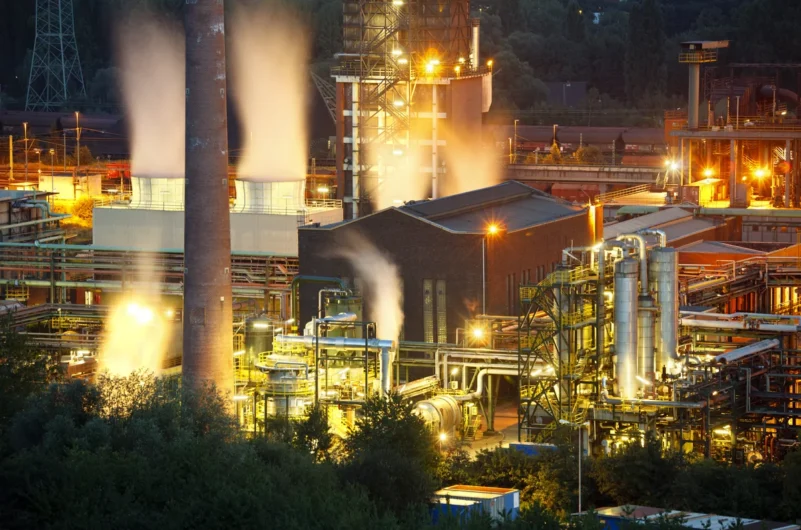
On major US energy sites, multilingual crews now handle high-risk work every day, but safety systems still assume fluent English. Safety Protocols: The Need for Multilingual Training is no longer a theoretical topic; it’s showing up in incident reports, regulator questions, and insurance renewals. The gap between what’s written in corporate procedures and what a Filipino rigger, a Mexican scaffolder, or a Vietnamese electrician actually absorb during a toolbox talk is where control measures quietly fail.
Why multilingual safety is becoming a frontline risk issue
Operators know OSHA requires training “in a language and vocabulary that the worker can understand,” yet many sites rely on a bilingual foreman to improvise translations five minutes before a lift. That approach might work for simple tasks, but it collapses under complex isolation plans, simultaneous operations, or unusual process upsets. In the US Gulf Coast and Permian Basin, where contractors rotate rapidly, there’s rarely time to align briefings, signage, and permits across languages in a consistent way.
How language gaps erode ‘paper perfect’ safety systems
Most safety managers don’t see obvious confusion. Crews nod, sign the attendance sheet, and get on with the job. The failure shows up later when a lockout/tagout step is skipped because a subcontractor misunderstood which breaker belonged to which feeder, or when multilingual HSE training materials glossed over confined space atmospheric testing intervals. Root cause investigations often reveal that multilingual energy documents were either outdated, poorly translated, or simply never read because workers relied on peers instead.
On complex assets, such as LNG terminals or combined-cycle plants, the problem compounds across shifts. One team learns the “real way” from a seasoned hand; another relies on half-translated procedure binders. Multi-employer worksites magnify these inconsistencies, especially where technical manuals translation for utilities vendors, OEMs, and plant owners isn’t harmonised. By the time a regulator asks whether Energy Sector Translation was treated as a formal control, it’s usually after a serious event.
Warning signs your multilingual training isn’t actually landing
Patterns usually appear long before a major accident. Minor hand injuries cluster around one linguistic group that consistently misinterprets hot work boundaries. Supervisors quietly re-explain critical steps in Spanish or Tagalog because slide decks exist only in English. Contractors begin copying each other’s behaviors instead of following written steps because oil and gas safety content localization never kept pace with field practice. These are early indicators that localized energy safety training is more aspirational than real.
Why ad-hoc translation can’t keep up with modern energy operations
Energy industry localization looks simple until you map all the touchpoints: permits, work packs, isolation lists, SDSs, equipment labels, alarm messages, and emergency procedures. Updating one procedure in English can trigger changes across dozens of multilingual power plant procedures and localized renewable energy documentation. Most EHS teams and planners don’t have the bandwidth, version control discipline, or specialized energy compliance translators needed to keep every language synchronized under outage pressure and contractor churn.
Even high-quality technical translation services face constraints: short turnarounds, incomplete source texts, inconsistent terminology, and client-side reviews squeezed between shifts. Without energy sector technical glossary translation and practical feedback loops from crews, subtle errors creep into supposedly “approved” content. Over time, those flaws embed in site culture. When alarms sound, workers fall back on gut instinct and whatever language feels safest, which may not match the control room’s commands.
The quiet risk isn’t that nothing is translated; it’s that leaders assume their system works because documents exist. A more honest view recognizes that safety performance depends on whether people truly understand and trust those documents in the language they actually use on the job. If you’re seeing recurrent near misses, informal back-of-truck explanations, or resistance to new procedures among non‑English speakers, it’s time to pause and reassess your training reality. Consider auditing your multilingual safety workflow end to end, then speak with a specialist who understands energy-sector operations before the next incident forces the issue.