

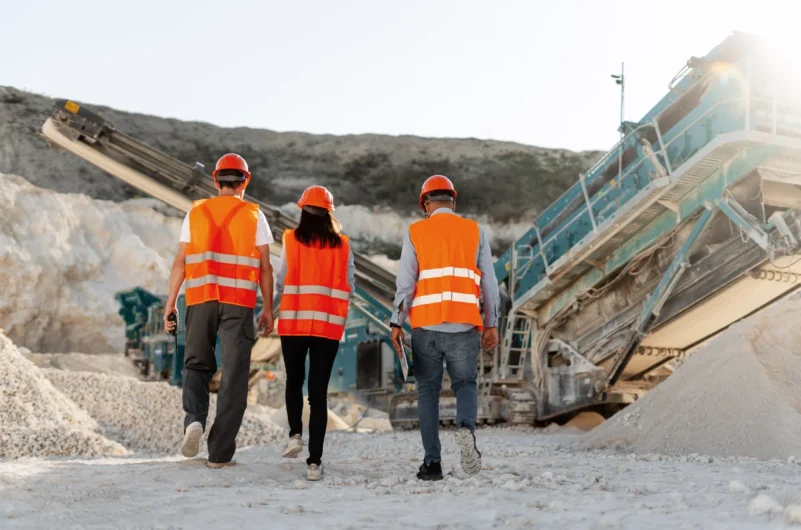
Resource extraction translation isn’t just another language service; it’s a risk-control tool for mining, oil, and gas operators who can’t afford ambiguity in critical documents. When your feasibility studies, HSSE procedures, and drilling reports cross borders, you need a partner that treats every parameter, unit, and clause as something that could impact safety, compliance, or project timing. This article outlines what a serious provider looks like so you can judge whether their promises match the realities of complex extraction projects.
If a translator can’t explain the operational impact of a phrase they’re debating, they probably shouldn’t be touching your extraction files.
Why accuracy defines resource extraction translation quality
In practice, mining industry terminology isn’t theoretical; it guides how crews blast, ventilate, and manage tailings on site. Errors in cut-off grade descriptions, pump specs, or gas detection thresholds can cascade into rework, conflicting instructions, or near-miss incidents during technical mining document translation. Regulators reviewing EIAs, MSDS sheets, and incident reports expect precise alignment with frameworks such as OSHA, MSHA, and ISO standards, not “close enough” language. Investors reading NI 43-101 or JORC-compliant reports want to see that the translated version matches the original’s risk profile, not a smoothed-over marketing paraphrase. Any provider that shrugs off this level of precision is effectively asking you to carry their liability.
Subject-matter expertise: who should touch your files
Trust starts with who actually does the work. A credible team pairs native-language linguists with backgrounds in geology, mining engineering, or petroleum disciplines so they can handle resource sector technical translation without guessing. They recognise how a small nuance affects pit design, reservoir modelling, or ventilation planning, and they maintain a specialized mining terminology glossary that reflects current field practice, not just old textbooks. When you ask about a specific formation name or casing program, they should be able to talk in detail, not hide behind generic technical translation services jargon. If they can’t push back on inaccurate source text, they’re not a true partner.
Process discipline: how reliable providers work
Serious providers run resource extraction translation under ISO-aligned workflows with clear intake, assignment, and review stages. Source files are screened for standards references, units, and legacy phrasing so that Mining Translation outputs match your existing manuals, not reinvent terminology mid-project. Translation memory and industry-specific language solutions are configured per asset or region, which matters when you’re running long-term operations across multiple deposits and regulatory regimes. Before delivery, a second linguist revises the content and a subject-matter expert spot-checks high-risk sections like emergency response, confined space procedures, and warranty clauses. It’s slower than a single-pass translation, but it’s the only way to achieve precision translation for mining safety that you can sign off on without hesitation.
Managing terminology, regulators, and real-world constraints
On live projects, language solutions for mining can’t freeze terminology in place while designs and regulations keep moving. Glossaries need version control, change logs, and sign-off from your engineering and HSE leads so everyone knows which wording is current. Local statutory phrases in Brazilian environmental law or Indonesia’s mining codes should be mirrored exactly as regulators expect, even if they read awkwardly in English. A dependable partner will flag conflicts between site usage and mandated legal language, not quietly choose one. They’ll also be realistic about multilingual mining documentation support timelines; turning around 100-page appendices overnight without proper review is a shortcut that shifts risk back onto your team.
When evaluating language support for mining engineers, ask for concrete examples: how they handled redlines from in-country reviewers on ventilation plans, or how they kept consistent headings across SCADA manuals, training slides, and contractor packs. Good providers explain their limits up front, including what they won’t rush and where client-side review is essential for accurate translation for mining projects. If you want a deeper look at how structured workflows minimise risk, request a process walkthrough focused on technical mining document translation rather than a generic sales demo. The right partner should leave you feeling clearer about responsibilities, turnaround expectations, and how their resource extraction translation practice protects your operations—so your next step is simply to share a sample set of documents and start a scoped, low-risk trial.