

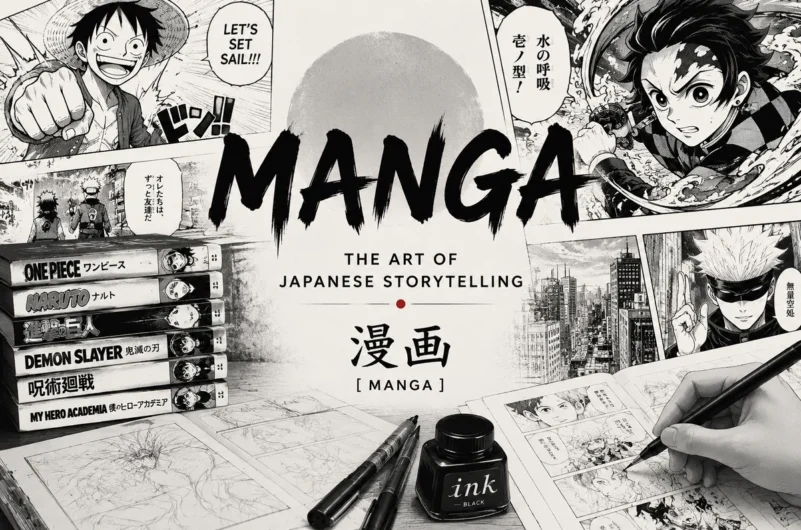
Proofreading manga for an international audience isn’t just about catching typos; it’s about protecting the integrity of the story and the publisher’s reputation. When readers invest in a title, they expect dialogue that flows, cultural references that feel natural, and a layout that’s easy on the eyes. A disciplined, transparent approach to review builds confidence that every volume has been handled with the same care as the original manuscript.
“Reliable manga proofreading is the invisible quality control that readers only notice when it’s missing.”
Japanese Manga Translation and trust in the source
Trust starts with respect for the original work. Effective Japanese Manga Translation requires proofreaders who recognise cultural nuance, in-jokes, and genre conventions, then check that each choice on the page reflects those subtleties. They review terminology glossaries, character speech patterns, and recurring phrases so names, attacks, and world-building details stay consistent from chapter to chapter. When readers see that a catchphrase, rank title, or magic system term is always handled the same way, they sense a stable, intentional translation rather than ad hoc rewriting.
Skilled teams blend accuracy with readability, especially when handling humour, slang, and honourifics. Proofreaders evaluate whether a punchline will land for the US market while still sounding like something that character would actually say. They also act as a brake on over-localisation, pushing back when a joke or reference drifts too far from the author’s intent. This kind of friction is healthy; it signals a process built around defending both clarity and authenticity.
What a reliable manga proofreading process looks like
Readers feel more secure when they know there’s a defined workflow, not guesswork. A professional manga localization workflow typically starts with translator drafts, followed by an editor pass for voice and structure, then a dedicated proofreader who checks spelling, grammar, and layout issues on final lettered pages. Each role has clear responsibility, which reduces the chance of fixes in one area quietly breaking something else. This structure also supports targeted feedback loops with artists and typesetters when balloon space or panel composition makes a line difficult to fit.
Handling layout, typography, and sound effects with care
Even the best script fails if readers have to squint through cramped balloons or mismatched fonts. Proofreaders look at page proofs zoomed out and in, checking whether fonts are legible at print size, whether bold and italics match emotional beats, and whether line breaks respect natural phrasing. When localizing manga sound effects accurately, they’ll flag situations where an SFX rewrite crowds artwork or where keeping the original kana with a small translation note preserves impact better. This attention to visual rhythm reassures readers that the publisher respects both the art and their reading comfort.
Layout checks also extend to reading order markers, page numbers, and editorial notes. A missed “read right to left” indicator or inconsistent note styling might seem minor, but for new readers it can create confusion and mistrust. Teams that document these details in clear editorial guidelines for manga translators give proofreaders a reliable standard to enforce, rather than relying on individual preference from volume to volume.
Quality controls that reduce risk for publishers
Serious publishers don’t rely on a single review pass. Multi-stage checks, including a final cold read by someone who hasn’t touched the script before, often reveal awkward phrasing, missing words, or misplaced text layers. Processes inspired by quality control in localized comics also include spot checks against the Japanese tankōbon to confirm that key lines, chapter titles, and credits haven’t drifted. When deadlines tighten, experienced teams will narrow review scope strategically instead of quietly skipping stages, and they’ll communicate what’s been deprioritised so stakeholders understand residual risk.
Reassuring readers and partners through transparency
Publishers build long-term trust when they’re open about how they work. Sharing that a series is supported by specialised manga localization services, documented comic book translation tips, and dedicated best practices for anime dialogue translation tells both licensors and readers there’s a framework, not a patchwork of ad hoc decisions. Where appropriate, they may briefly explain anime and manga script adaptation choices in end notes, or acknowledge when a pun couldn’t be carried over perfectly. This level of candour resonates with fans who care deeply about fidelity and shows licensors that the brand is handled responsibly.
If you’d like to refine your own publisher-focused manga translation solutions or tighten existing checks, speak with our team about practical anime translation techniques, advanced comic book localization strategies, and realistic turnaround options that won’t compromise standards. We’re happy to walk you through sample workflows, review a test chapter together, and help you choose a proofreading process that gives your editorial staff, licensors, and readers genuine confidence in every release.