

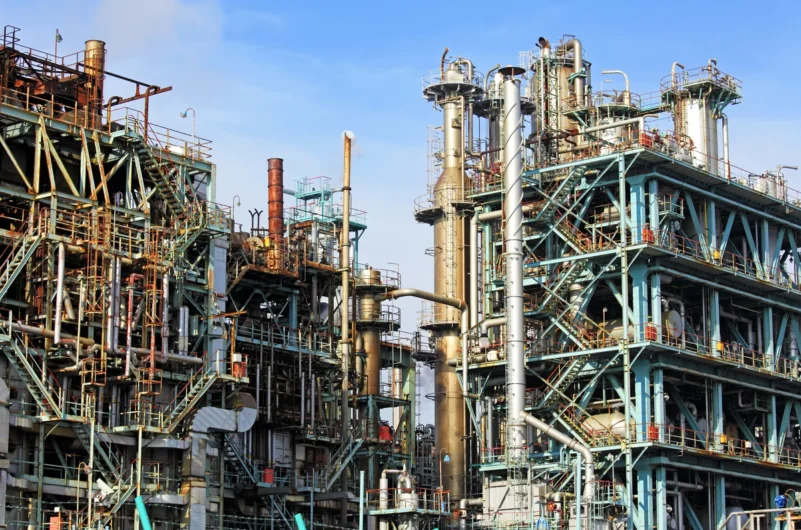
Power Generation Safety Training: Multilingual Approaches are becoming essential as US power stations rely on diverse workforces during construction, commissioning, and operation. When control room operators, contractors, and maintenance crews don’t share a first language, critical instructions about isolation points, switching orders, and rescue steps can be misunderstood. Multilingual programs supported by Energy Sector Translation help ensure that lockout/tagout, confined space, and arc flash controls are understood the same way by every worker on shift.
Why language clarity directly affects incident rates
High‑energy systems leave almost no margin for ambiguity. Investigations into arc flash events and dropped‑load incidents often reveal that a fitter or rigger “thought” they understood a step that was only explained in English. Relying on an informal bilingual coworker is risky; they may skip torque values, test‑before‑touch requirements, or valve line‑ups. Structured energy industry localization avoids this by providing consistent wording across procedures, permits, and control room instructions, supported by formal change control.
Core elements of multilingual safety training programs
A practical program starts with identifying which roles genuinely need detailed written procedures and which need scenario‑based coaching. For example, switching operators may require fully translated technical manuals for power generation, while scaffolding crews benefit more from high‑impact visuals plus short, language‑specific toolbox talks. E‑learning with language selection, on‑site interpreters for inductions, and printed quick‑reference cards form a workable mix in most facilities.
Effective multilingual safety training doesn’t simplify the work—it clarifies the risks and responsibilities so every person on site can execute their part of the procedure without guessing.
Translation quality often fails when generic vendors are asked to handle detailed isolation lists, switching sequences, or NFPA 70E references. Facilities see better results when they use technical translation services with actual power generation experience, including familiarity with OEM drawings and regulated energy sector documentation. That expertise reduces rework during audits because terminology, tags, and equipment IDs are handled consistently.
Choosing translation approaches that actually work in the field
No US plant has unlimited budget, so managers usually prioritise high‑risk, high‑frequency tasks for multilingual safety procedure translation. Typical candidates include routine LOTO sequences, turbine and boiler maintenance, and high‑voltage switching. Less frequent or highly scenario‑dependent activities, such as black‑start drills, might rely on interpreters during simulator training, with concise handouts for reference. This mix provides coverage without trying to translate every single memo or email.
Another practical decision is how deeply to localise supporting materials. Localized HSE training materials for contractors, for instance, don’t need every corporate policy, but they should capture key consequences for breaching permit‑to‑work rules or bypassing interlocks. When rolling out localized training for power plants, many operators pilot on one outage or one contractor group first, then refine terminology and job aids based on worker feedback.
Governance, version control, and realistic constraints
One common failure mode is treating translated content as “finished” while the English source keeps evolving. Any serious program needs a register of multilingual energy documents tied into management of change, so that new arc flash calculations, revised isolation boundaries, or altered PPE requirements trigger updates in each language. Without that discipline, multilingual sets drift out of sync and workers revert to guessing.
From a security and compliance perspective, secure translation for utility data and plant drawings can’t be an afterthought. Transmission operators and IPP fleets often restrict export of schematics or relay settings to uncontrolled platforms. Using specialized energy translation support that accepts redacted files or secure transfer channels helps satisfy NERC, CIP, or internal cyber policies while still enabling compliance-focused energy translations.
For safety and training leaders, the decision isn’t whether to translate, but where multilingual investment will meaningfully reduce risk. That usually means accepting some imperfection, documenting the rationale, and revisiting choices after outages, near‑misses, and regulator feedback. To explore how a structured, multilingual energy training program could work in your facility, review your current procedures, note where language barriers surface, and engage a specialist to walk you through practical options and likely constraints.