

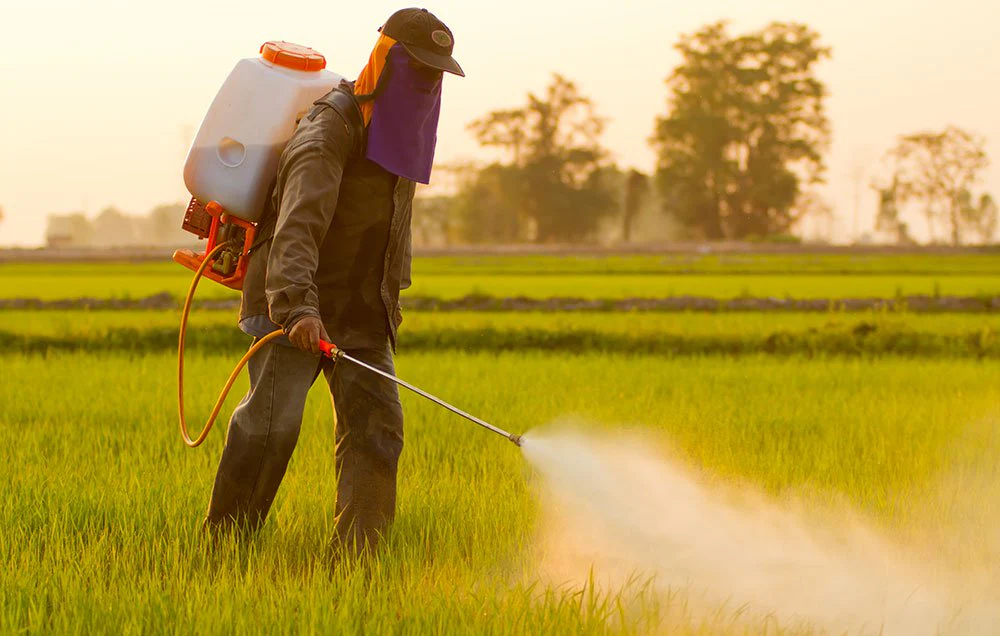
Pesticide label localization is the process of adapting pesticide labels for different languages, regulations, and cultures. It goes beyond direct translation. Companies must ensure that safety instructions, chemical warnings, dosage recommendations, and legal statements are accurate for each target market.
In the agrochemical industry, mistakes can have serious consequences. A poorly localized label may lead to misuse, environmental harm, legal penalties, or health risks. Because of this, businesses must treat localization as a critical compliance task rather than a simple language project.
Why Localization Matters in the Agrochemical Industry
The pesticide industry operates globally, but regulations vary from country to country. A product approved in one market may require different wording, symbols, or safety instructions elsewhere.
Legal Requirements Across Countries
Countries such as the United States, Canada, Brazil, and members of the European Union all have different regulatory frameworks. For example, the United States Environmental Protection Agency enforces strict pesticide labeling rules under FIFRA regulations. Similarly, the EU requires compliance with CLP regulations and multilingual safety documentation.
Failure to comply can result in:
- Product recalls
- Import restrictions
- Heavy fines
- Damage to brand reputation
For official compliance guidance, companies often refer to EPA Pesticide Labeling Resources.
Safety Communication Challenges
Localized labels must clearly communicate:
- Hazard classifications
- Protective equipment requirements
- Emergency procedures
- Storage instructions
Even small wording differences can confuse users. For example, a mistranslated dosage instruction may increase exposure risks for farmers and consumers.
Key Risks in Pesticide Label Localization
Translation Errors
Literal translations are one of the biggest dangers in pesticide labeling. Technical agricultural terminology often lacks direct equivalents across languages. Without expert review, labels may contain inaccurate chemical or safety instructions.
Common translation risks include:
- Incorrect measurement units
- Misinterpreted hazard warnings
- Confusing application instructions
Regulatory Non-Compliance
Regulations frequently change. Companies that fail to update localized labels may unintentionally violate local laws. Compliance teams must monitor revisions in:
- Toxicology classifications
- Environmental standards
- Packaging rules
- Safety symbols
Cultural Misunderstandings
Localization also includes cultural adaptation. Colors, symbols, and imagery may carry different meanings across regions. A symbol considered clear in one country could create confusion in another.
Essential Compliance Standards
Global Harmonized System (GHS)
The United Nations developed the Global Harmonized System (GHS) to standardize hazard communication worldwide. GHS helps create consistency in:
- Hazard pictograms
- Warning statements
- Safety terminology
Although widely adopted, countries may still customize GHS implementation rules.
EPA and EU Regulations
The United States relies heavily on EPA pesticide registration requirements, while Europe follows CLP and REACH standards. Businesses entering multiple markets must align localization efforts with each region’s legal expectations.
Best Practices for Accurate Localization
Using Subject-Matter Experts
Professional translators alone may not be enough. Agrochemical companies should work with:
- Toxicologists
- Regulatory specialists
- Agricultural scientists
- Native-language reviewers
These experts help ensure both linguistic and technical accuracy.
Maintaining Terminology Consistency
Consistency is vital in pesticide label localization. Many organizations use translation glossaries and terminology databases to standardize:
- Active ingredient names
- Safety phrases
- Hazard classifications
This reduces confusion and improves regulatory compliance.
Conducting Regulatory Reviews
Every localized label should pass through a formal compliance review before distribution. Review workflows often include:
- Translation verification
- Legal validation
- Technical review
- Final approval
This multi-step process minimizes costly errors.
Technology in Label Localization
Translation Management Systems
Modern translation management systems (TMS) help companies centralize multilingual content. These platforms improve:
- Workflow automation
- Version control
- Terminology management
- Team collaboration
They also reduce delays when updating labels across multiple markets.
Conclusion
Pesticide Label Localization: Managing Risk and Compliance is essential for protecting users, meeting international regulations, and maintaining business credibility. Accurate localization requires more than translation. It demands technical expertise, legal awareness, cultural understanding, and quality assurance.
As global pesticide regulations continue to evolve, companies that prioritize compliance-focused localization will reduce risk, improve safety, and strengthen their international market presence.
FAQs
What is pesticide label localization?
It is the process of adapting pesticide labels for different languages, cultures, and legal requirements while maintaining safety and compliance accuracy.
Why is localization important for pesticide products?
Localization helps ensure user safety, legal compliance, and effective communication in international markets.
What are the biggest risks in pesticide label translation?
The main risks include translation mistakes, regulatory violations, and unclear safety instructions.
How does GHS affect pesticide labeling?
GHS standardizes hazard communication through symbols, warnings, and classification systems used globally.
Can AI fully replace human translators in pesticide localization?
No. AI can support efficiency, but human experts are still needed for legal accuracy and technical validation.