

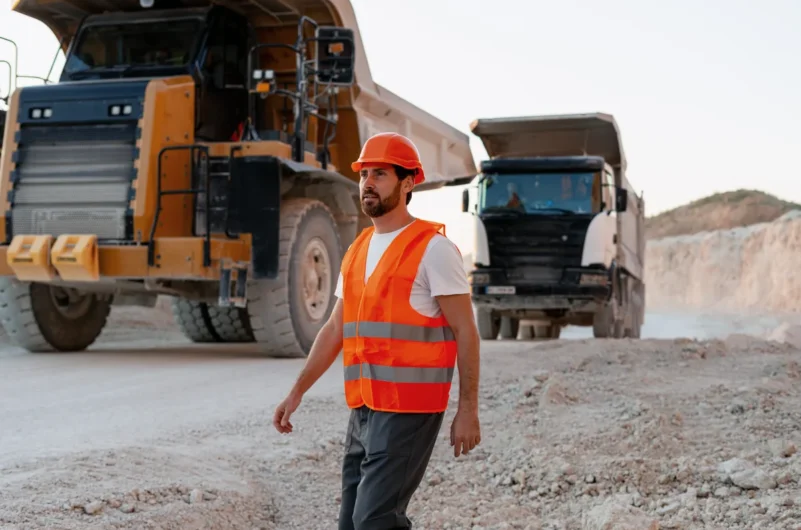
Operations documentation translation has become a board-level concern for mining groups running complex sites across borders. When procedures cross languages, managers aren’t just worried about style; they’re protecting people, equipment, and production continuity. The question is which mix of translation models and controls gives enough safety margin without blowing out cost or cycle times.
Operations Documentation Translation: A Guide for Managers
For high‑risk procedures, fully human workflows remain the reference point. Lockout–tagout steps, confined space entries, or tailings dam inspection instructions need translators who understand mining industry terminology and how crews actually work underground and on plant. That rigor comes with longer lead times and higher budgets, which can strain teams updating dozens of SOPs after each process change or OEM bulletin.
Choosing between human, hybrid, and machine-first models
Hybrid approaches are now common where accuracy still matters but volume is heavy. Here, specialist mining translators work inside CAT tools, using shared termbases and translation memory to keep wording stable across sites and revisions. This suits maintenance strategies, training slide decks, and method statements, where technical translation services can shave days off delivery while keeping wording consistent enough for audits and incident investigations.
Defining “good enough” in high-risk environments
Machine‑first pipelines, with post‑editing by a qualified linguist, can make sense for shift reports, routine inspection logs, or non‑binding guidance notices. The catch is that technical mining documentation translation only holds up if the English source is tightly written and you’ve locked in terminology governance. Without that, managers see drift in critical phrases, conflicting torque values, or ambiguous PPE requirements creeping into multilingual mining safety materials that end up taped to workshop walls.
- Use a central termbase with governance for role names, equipment labels, and controls, supported by industry-specific mining language support across all languages.
- Classify documents by risk so you know when accurate translation for mining operations must include engineer review and back‑translation.
- Standardize handover packs: final source file, marked‑up revisions, P&IDs, photos, and target language list.
- Agree which content needs mining engineering document localization for local codes or literacy levels rather than simple word‑for‑word conversion.
- Validate vendors on small pilots that cover regulated resources sector translation, routine work instructions, and on‑site notices.
Managers weighing external language solutions for mining should test how well a provider plugs into document control and EHS workflows, not just their rate card. Strong partners will offer global language support for mine sites, show how Mining Translation integrates with CAPEX and safety approvals, and be candid about machine limitations for complex control logic. When the next big revision cycle lands, having those relationships in place can be the difference between a controlled rollout and a scramble. If you’re unsure where to start, set up a short consultation to compare your current workflow against these models and map a realistic upgrade path.