

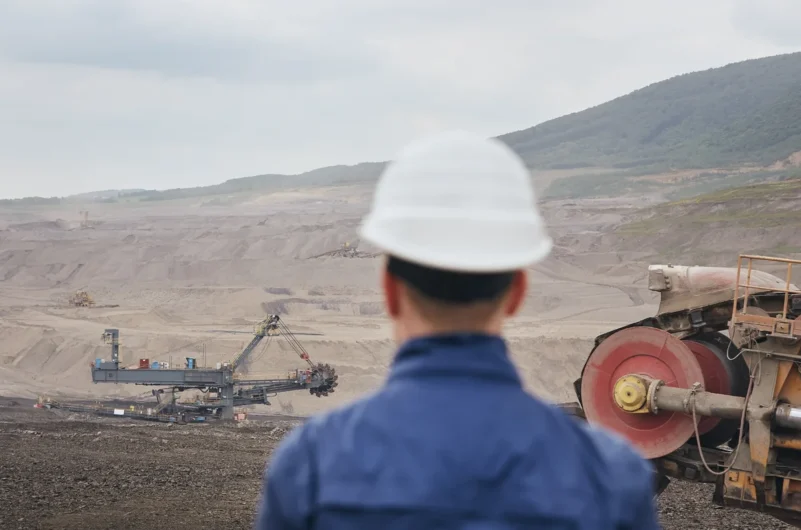
Mining Translation Services: Essential Infrastructure for Global Operations
Mining Translation has moved from a back-office task to a frontline control on operational risk. As cross-border projects expand and regulators tighten expectations, translation quality now directly affects safety performance, licence-to-operate, and investor confidence. When ground control plans, isolation procedures, or tailings dam instructions diverge across languages, operators aren’t just dealing with style variations; they’re running parallel versions of critical controls on the same site.
“In high-risk mining environments, inconsistent translation isn’t a cosmetic issue – it’s a latent condition for incidents, disputes, and unplanned shutdowns.”
Why language is now part of operational risk management
Regulators such as MSHA, Chile’s SERNAGEOMIN, and Canada’s provincial authorities increasingly expect workers to understand, not just receive, instructions in their first language. That expectation collides with complex mining industry terminology spanning geology, metallurgy, and process control. When safety alerts or ventilation plans are pushed through generic technical translation services, nuance gets stripped out, and local supervisors quietly “reinterpret” procedures, fragmenting the control framework.
Mining Translation as critical safety and compliance infrastructure
Leading operators now treat multilingual content for HSE, permits, and ESG reporting as critical infrastructure, not discretionary spend. High-risk artefacts – from confined-space permits to slope stability guidelines – are routed through specialist mining translators who understand design codes, OEM manuals, and local statutory wording. This isn’t perfectionism; it’s a response to investigations where translation gaps have been cited as contributing factors in incidents, community disputes, or delayed approvals for expansions.
Beyond manuals: governance, communities, and social licence
As ESG scrutiny deepens, weak language solutions for mining can derail otherwise sound projects. Social impact assessments, resettlement frameworks, and water stewardship reports now circulate among NGOs, local councillors, and indigenous groups who compare versions side by side. If the local-language SIA reads less precise than the English original, stakeholders infer bad faith. Multilingual mining document support, including indigenous languages, is becoming a precondition for credible consultation rather than a goodwill exercise.
Designing a translation model that matches project complexity
The operators getting this right start with governance rather than tools. They tier content by risk, assigning sector-specific mining translations and industry-focused technical linguists to anything tied to safety, royalties, or environmental obligations, while using controlled machine translation for low-risk HR updates. Central terminology databases integrated with engineering and document control systems create technical mining language support that’s consistent across contractors, EPCMs, and joint-venture partners, even as projects move from exploration to production.
For boards and executives, the practical question is simple: which documents, if misunderstood, could stop production, trigger a regulator’s visit, or inflame a community meeting? Those artefacts warrant precision translation for miners inside a defined workflow with clear ownership, version control, and site-level feedback. Treat Mining Translation as an operational KPI, review it in your risk committees, and if needed, bring in specialized language support for resources to stress-test your current model and close the most material gaps.