

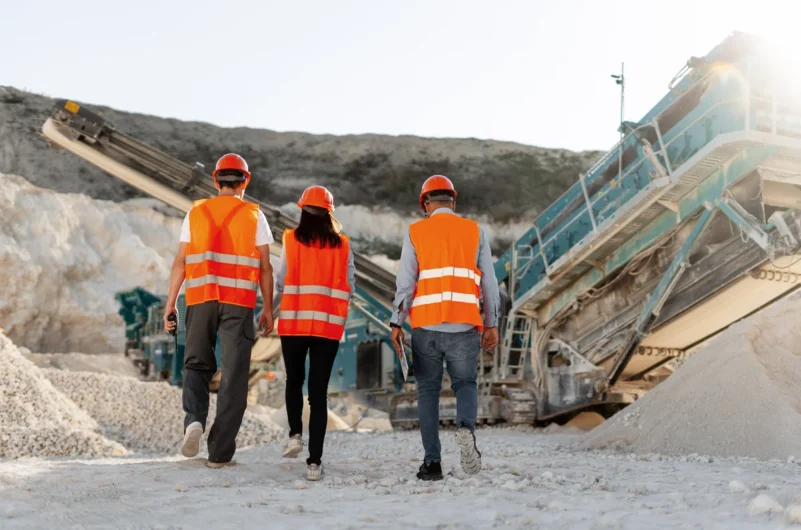
Mining Translation for Reliable HSE Documentation
Mining Translation plays a critical role in building trust around health, safety, and environmental documentation for multinational mining operators. When HSE content is translated with engineering-level rigor, site managers, contractors, and regulators can rely on the same instructions, no matter which language they’re reading. This reduces uncertainty around procedures, clarifies responsibilities, and gives leadership confidence that safety expectations are understood across all locations.
Consistent HSE language isn’t a “nice to have” in mining; it’s a risk control measure that directly supports compliance, training quality, and worker safety.
How Specialist Mining Language Support Reduces Risk
Generic technical translation services often miss the nuance of mining industry terminology, especially in HRA findings, isolation procedures, and emergency response steps. A specialist team treats every HSE document like a control measure, not just text to convert. That means validating units of measure, cross-checking against OEM manuals, and aligning phrasing with site-specific procedures so the translated version can actually be used in the field without confusion.
Process Control for HSE and Environmental Documents
To earn trust, a provider needs a clear workflow for multilingual mining documentation services, from intake to final QA. A strong process starts with terminology extraction and the creation of specialised mining glossaries agreed with your HSE and engineering leads. Draft translations are then reviewed by linguists with technical mining language support experience, followed by a second-level check focused on controls, hazards, and compliance wording rather than just grammar.
For complex projects like Environmental Impact Assessments and mine closure plans, engineering-grade mining translations use parallel-page review with your subject-matter experts. This might involve line-by-line checks of tailings, blasting, or ventilation sections, ensuring no control or condition is weakened in another language. It’s slower than simple translation, but it avoids the far higher cost of rework, regulator queries, or misapplied environmental commitments years later.
Trust also depends on transparency about limitations and assumptions. For example, if original HSE content is inconsistent between departments, a good provider will flag conflicts rather than quietly pick one version. They’ll discuss how sector-specific mining translations handle regional regulatory terms, such as differing noise, dust, or exposure limits, and document any interpretation choices so you have an audit trail if a regulator asks how wording was decided.
Clarity for Site Crews, Contractors, and Regulators
On active mine sites, accurate translation for mine sites determines whether a new contractor understands lockout-tagout steps or misreads a critical note. Providers who focus on cross-language HSE communication will test phrasing against real scenarios, like pre-start meetings or confined space entry briefings, to see if the language feels natural to frontline crews. That practical mindset helps avoid “perfect” translations that nobody actually uses.
Choosing a Trusted Partner for HSE Mining Documentation
When evaluating language solutions for mining, ask about their experience with mine rescue protocols, medical surveillance forms, and waste management plans, not just general industry work. The right partner will explain how their sector-specific mining translations integrate with your document control system and versioning, and how they keep mining-sector language compliance aligned with evolving standards. If you’d like to review how this approach could support your own HSE documentation, speak with our team to walk through recent project examples and clarify the best next step for your operation.