

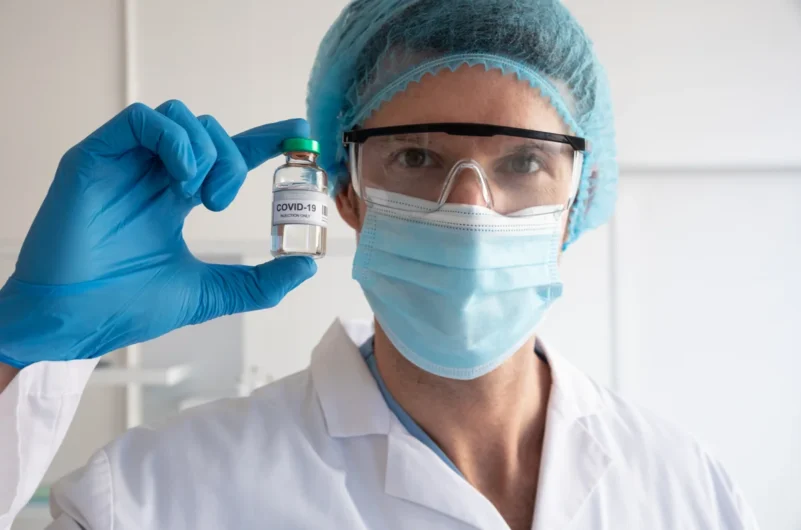
Medical translation for pharma companies has shifted from a back-office task to a core risk function, especially for sponsors operating across the US, Europe, and Southeast Asia. As regulators tighten expectations around patient comprehension and data integrity, teams are looking beyond ad hoc linguists to structured Medical & Pharmaceutical Translation programs that can scale without sacrificing accuracy.
Understanding medical translation for pharma
For drug developers, translation now touches every stage of a product’s life cycle. Clinical trial translation covers protocols, informed consent forms, recruitment materials, and patient-reported outcomes that must be both precise and readable. On the commercial side, healthcare document localization extends to SmPCs, PILs, carton labels, REMS materials, and patient apps that have to align with FDA, EMA, and local ethics committees. The challenge isn’t just language; it’s synchronising constant updates, safety variations, and new indications across dozens of markets.
Key use cases and solution types
Pharma teams typically choose between three solution models: in-house linguists, full-service pharmaceutical language services, and hybrid setups. In-house teams work well for high-volume brands with stable indications, where institutional memory and close links to regulatory affairs cut revision cycles. External partners are often more effective for multilingual clinical trial documentation and urgent safety updates, where 20-plus markets and compressed timelines strain internal staff. Hybrid models keep strategic or high-risk content internal while routing routine updates to trusted vendors under clearly defined SOPs.
Comparing workflows, quality controls, and risk
Most regulated pharmaceutical translation experts now combine human linguists with technology such as translation memory and secure terminology databases. For low-risk content like internal training or recurring pharmacovigilance letters, domain-trained machine translation with human post-editing can control cost and speed. High-risk materials, including localized healthcare regulatory documents and patient-facing leaflets, usually require dual human review, back translation, and in-country sign‑off to satisfy ethics boards. The best medical and healthcare content localization workflows are explicit about where automation stops and clinical judgment begins.
- Use specialized pharma translation support for pivotal trial documents and informed consent.
- Reserve machine translation plus review for lower-risk, repetitive safety updates.
- Align pharma-specific language solutions with your SOPs, RIM systems, and eTMF workflows.
- Segment content by risk so global clinical study translations receive proportionate QC.
- Vet clinical research translation services for data security, auditability, and inspector-ready records.
When choosing a partner, sponsors should look beyond rates and language lists. The real differentiators are field-tested workflows for healthcare document localization, the ability to handle rolling safety variations, and transparent metrics on error types, turnaround, and rework. Ask how vendors manage terminology drift between US and EU labels, how they track regulator feedback, and how quickly they can mobilise for an urgent DSUR change. A short, structured pilot across several markets is often the fastest way to see whether a provider can sustain quality at the pace your submissions demand.
If your current translation setup struggles with missed timelines, inconsistent terminology, or ethics queries, it’s a signal to reassess. Map your document types, risk levels, and review owners, then compare a small shortlist of Medical & Pharmaceutical Translation partners against those realities. A focused discussion with an experienced team can surface practical fixes—such as shared termbases with affiliates or staggered review schedules—that cut cycle time without increasing risk. Consider booking a consultation to walk through real examples from your pipeline and identify which mix of models and controls will actually hold up under inspection.